This is an old revision of the document!
AI Tools
Model DNA
Generative AI models differ based on:
- Training distribution (dataset it was trained on)
- Internal aesthetic priors (different creative directors)
- Prompt parsing philosophy (composition keywords vs materials / lighting vs narrative metaphors)
Atlas
Base Prompt
an old worn book with a thick leather cover, slightly weathered edges and visible page layers, simple embossed details on the cover, resting on a flat surface, closed, low angle shot, soft ambient light, clean composition, neutral background, realistic materials, balanced and readable structure
Then build modular prompts (base structure): [subject] + [composition] + [lighting] + [style intent] + [constraints]
- Keep 70% identical across tests.
- Run cross-model batches.
Run on all models & Do NOT tweak per model
Styles
- Fantasy : stylized fantasy art
- Cinematographic : cinematic lighting, dramatic shadows, high contrast
- Hyper Realistic : ultra realistic, photorealistic, natural lighting, high detail textures
- Illustration : stylized illustration, hand-painted look, simplified shapes
- Bright / whimsical : vibrant colors, soft light, whimsical atmosphere
- Graphic / Design : minimalistic, flat lighting, clean shapes, product design aesthetic
- Painterly / Fine Art : oil painting style, visible brush strokes, artistic texture, classical painting
- Technical / Scan-Like : neutral lighting, flat illumination, orthographic feel, no shadows, documentation style
- Alternatives : Abstract / symbolic and Product-like / clean
Light
- Soft : soft natural lighting
- High Contrast : strong directional light, deep shadows, high contrast lighting
- Volumetric / fog : volumetric lighting, light rays, subtle fog, atmospheric depth
- Neon / emissive : neon lighting, emissive glow, colored light accents, subtle bloom
- Low key / dark / moody : very low light, dark environment, minimal illumination, moody shadows
- Overexposed / bright : bright lighting, soft overexposure, high key, washed highlights
Complexity
Keep the core part :
an old worn book with a thick leather cover, slightly weathered edges and visible page layers, simple embossed details on the cover, closed, low angle shot, realistic materials, cinematographic, soft natural light,
- Isolated
- Structured composition : carefully arranged objects, balanced composition, clear spacing, readable layout
- Multi-object interaction : natural arrangement, slight overlap, coherent composition, readable subject
- Dense environment : rich environment, layered elements, moderate visual density, subject remains identifiable, depth
- Controlled clutter : cluttered desk, uneven arrangement, overlapping objects, semi-chaotic but still readable
- Chaos / fragmentation : chaotic scene, scattered objects, fragmented layout, unbalanced composition, visual disorder, reduced readability
Keep a single style (cinematographic, neutral) and probe through the different layers of complexity. Look for :
- Subject priority : Does the book stay the focus? Or does it get lost?
- Spatial intelligence : believable placement? gravity respected? overlaps make sense?
- Composition control : does it still “frame” the image? or just fills space randomly?
- Noise management : clean vs messy ? intentional vs accidental clutter ?
nanoBanana 2
Model specifics
Tools
- Runway : Video generation and Manipulation
- Latted : pay-as-you-go video models. Unified timeline and tools
- OpenAI FM : Text to speech+
Image Generating
- Scene: Describe the environment, main objects, and their relationships.
- Focus: Mention what should be most visible or important in the frame.
- Style: Specify realism, lighting, camera angle, color tone, etc.
- Purpose: Explain the context or use (e.g., documentation, tutorial, UI illustration).
- Reference Images: Mention if you have any uploaded files to guide style, layout, or color.
Ratio References
- Ultra wide Displays: 3440×1440: 43:18
- S23 Ultra: 1440×3088: 9:19.5 or 9:20
Camera Views
| Eye-Level Shot | Low-Angle Shot | High-Angle Shot | Bird's Eye View |
|---|---|---|---|
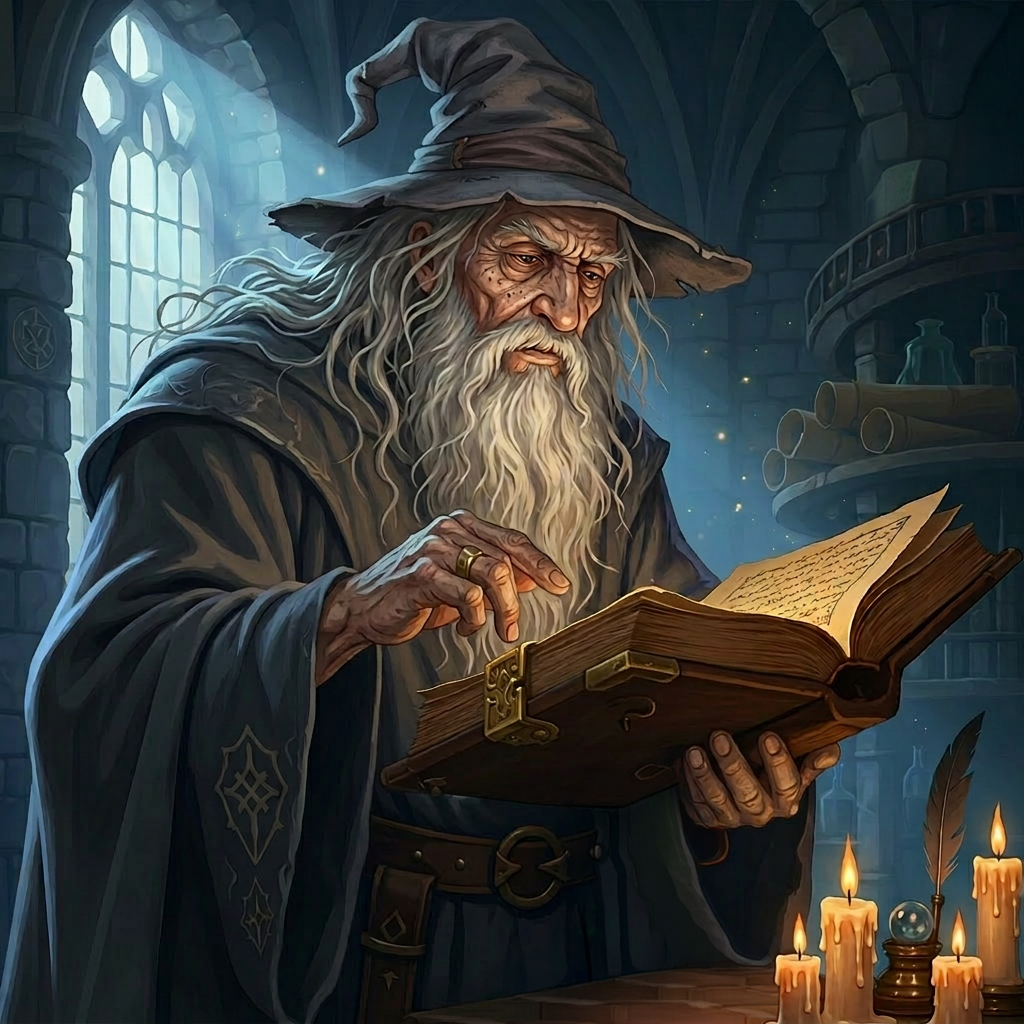 | 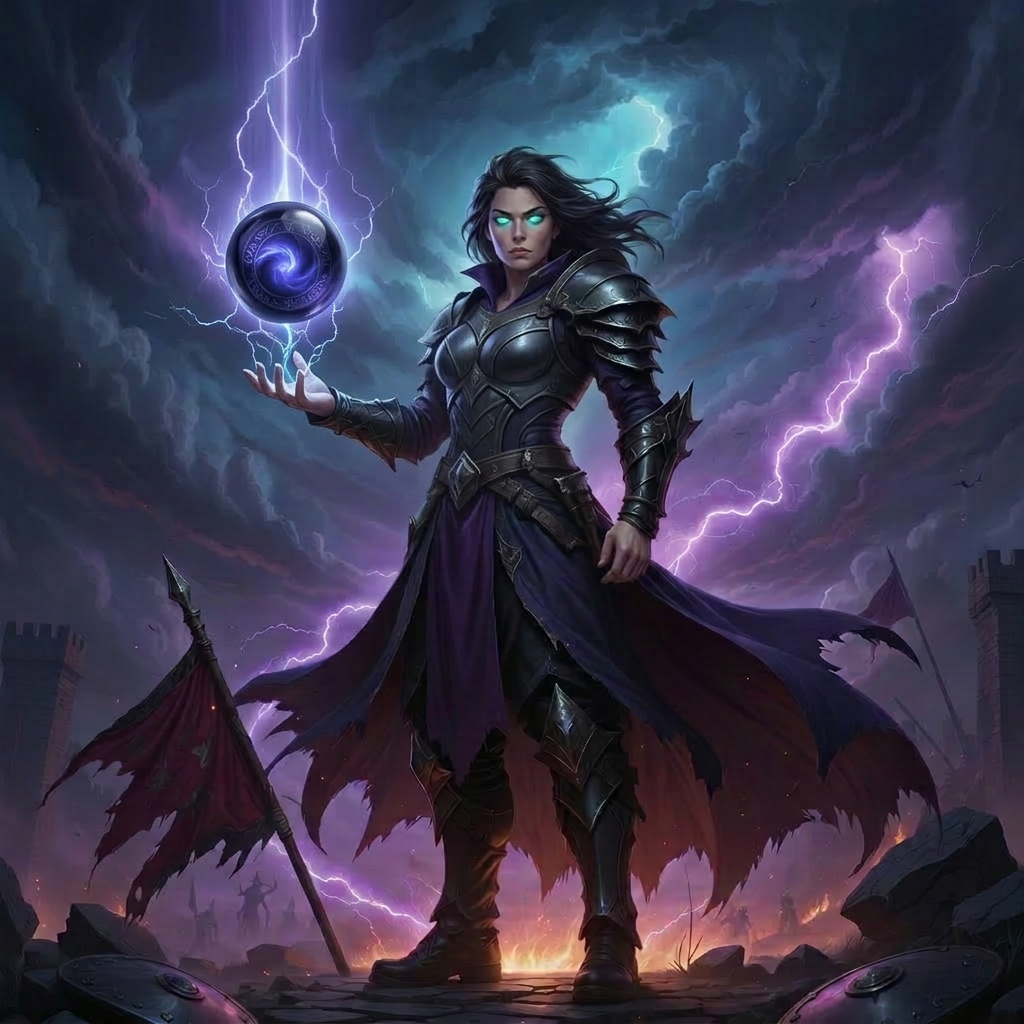 | 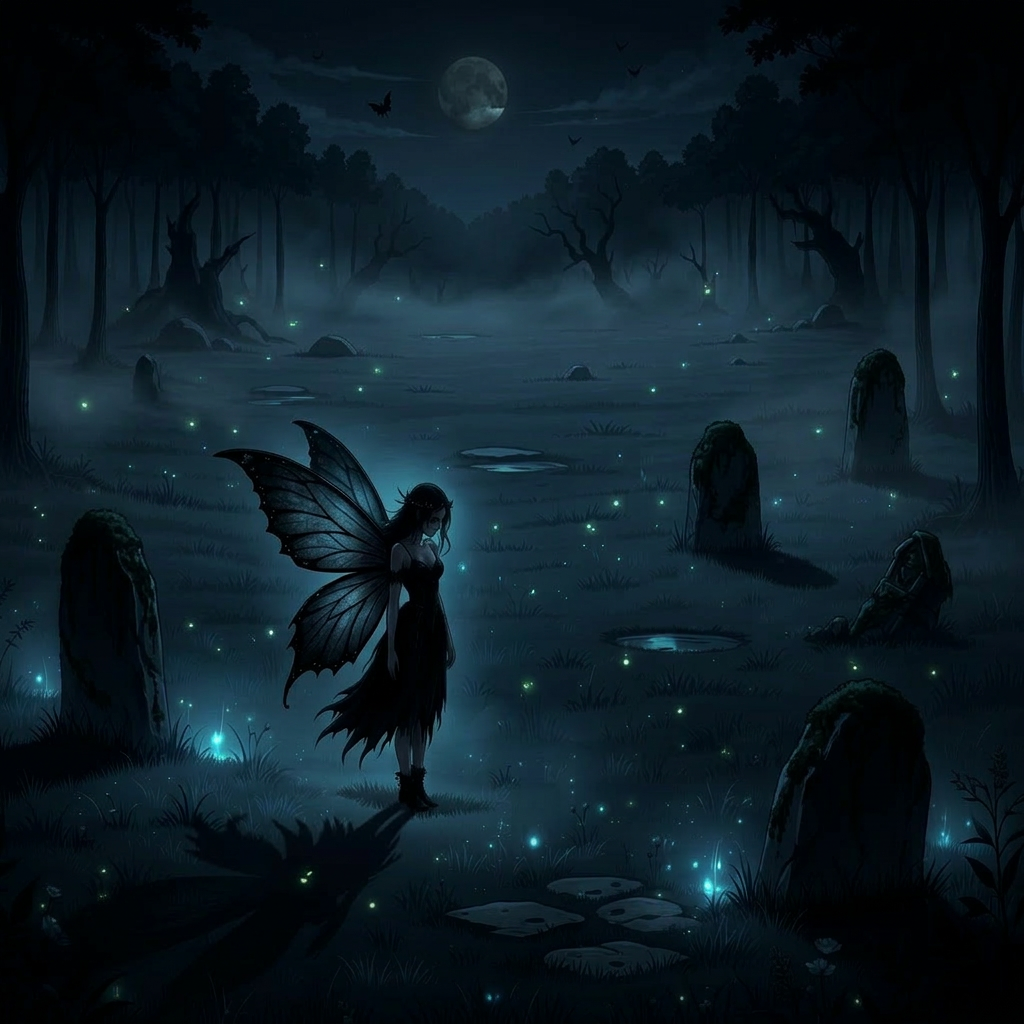 | 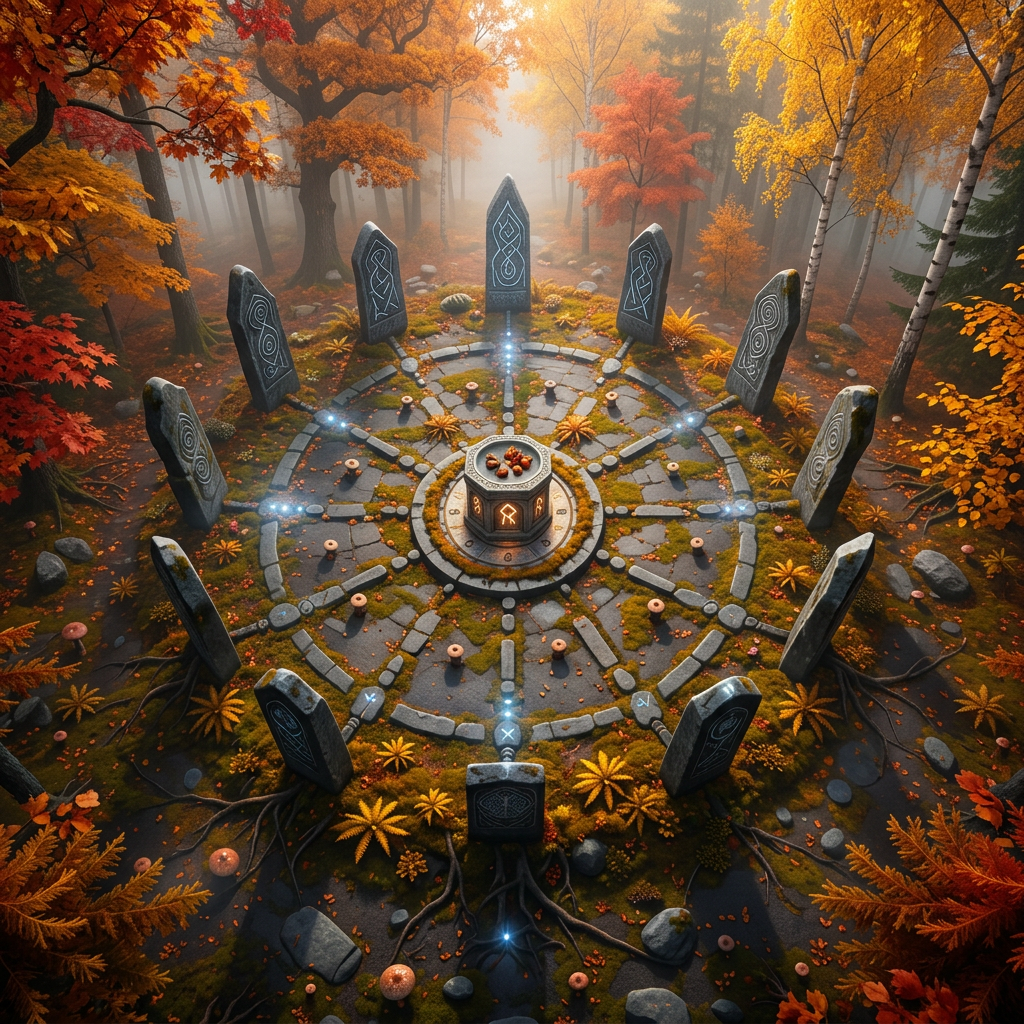 |
| Neutral, natural perspective. Great baseline | Makes subject feel powerful or imposing | Makes subject feel small or vulnerable | Strong composition, look down on subject |
| Worm's Eye View | Over-the-Shoulder Shot | Close-up | Extreme Close-up |
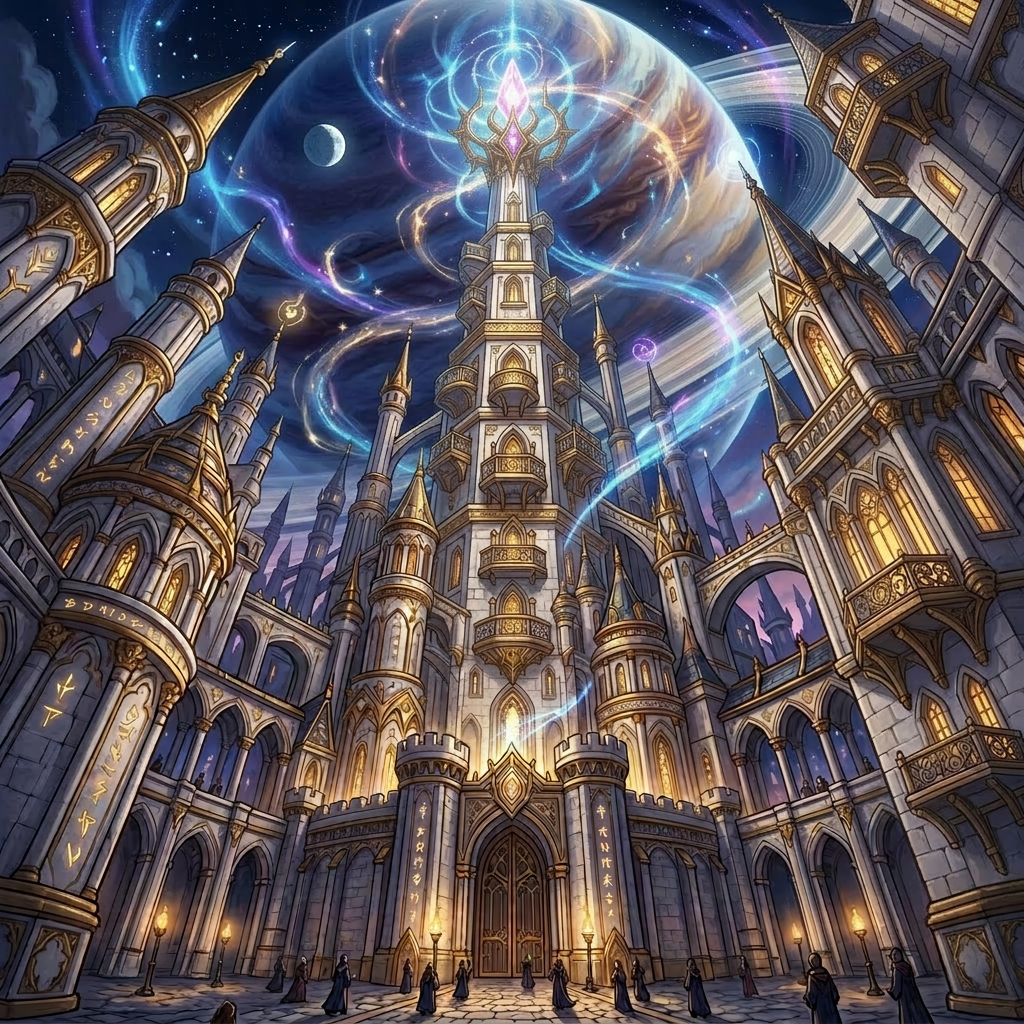 | 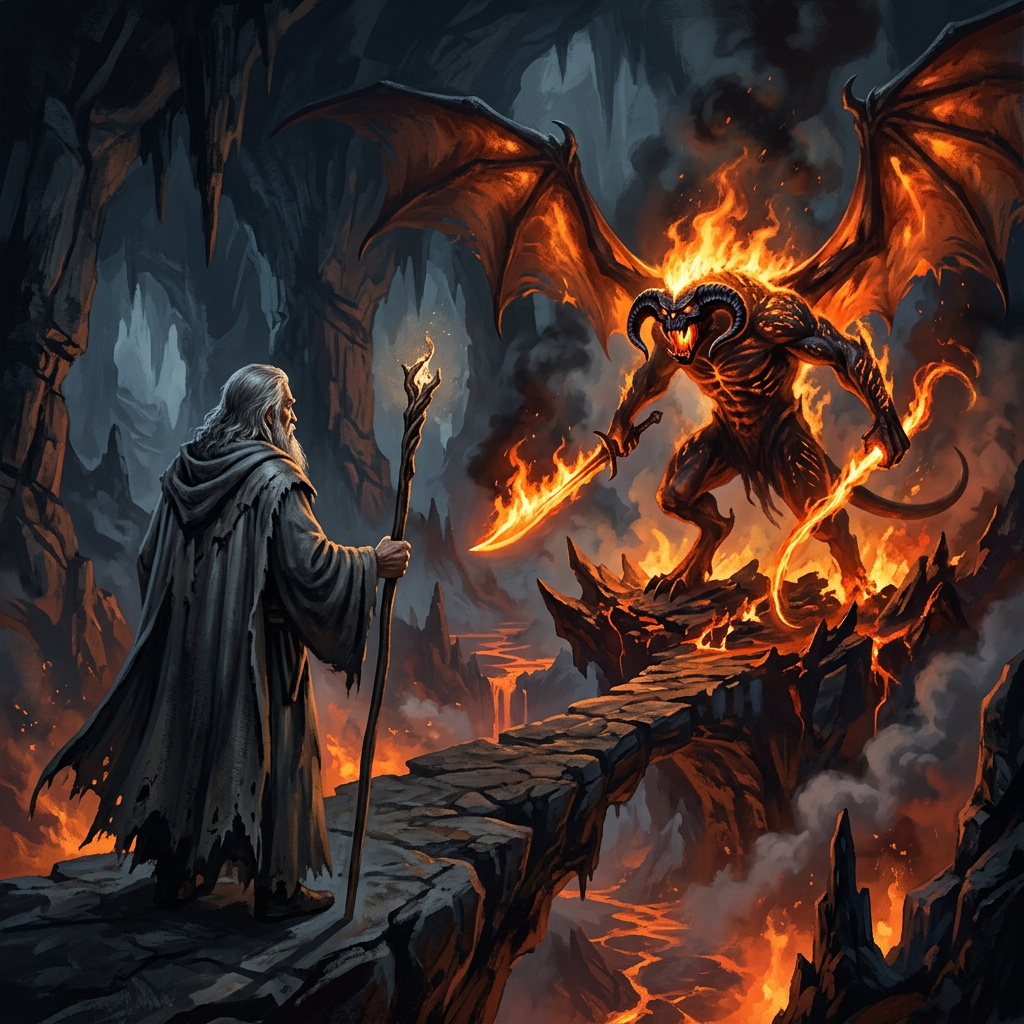 | 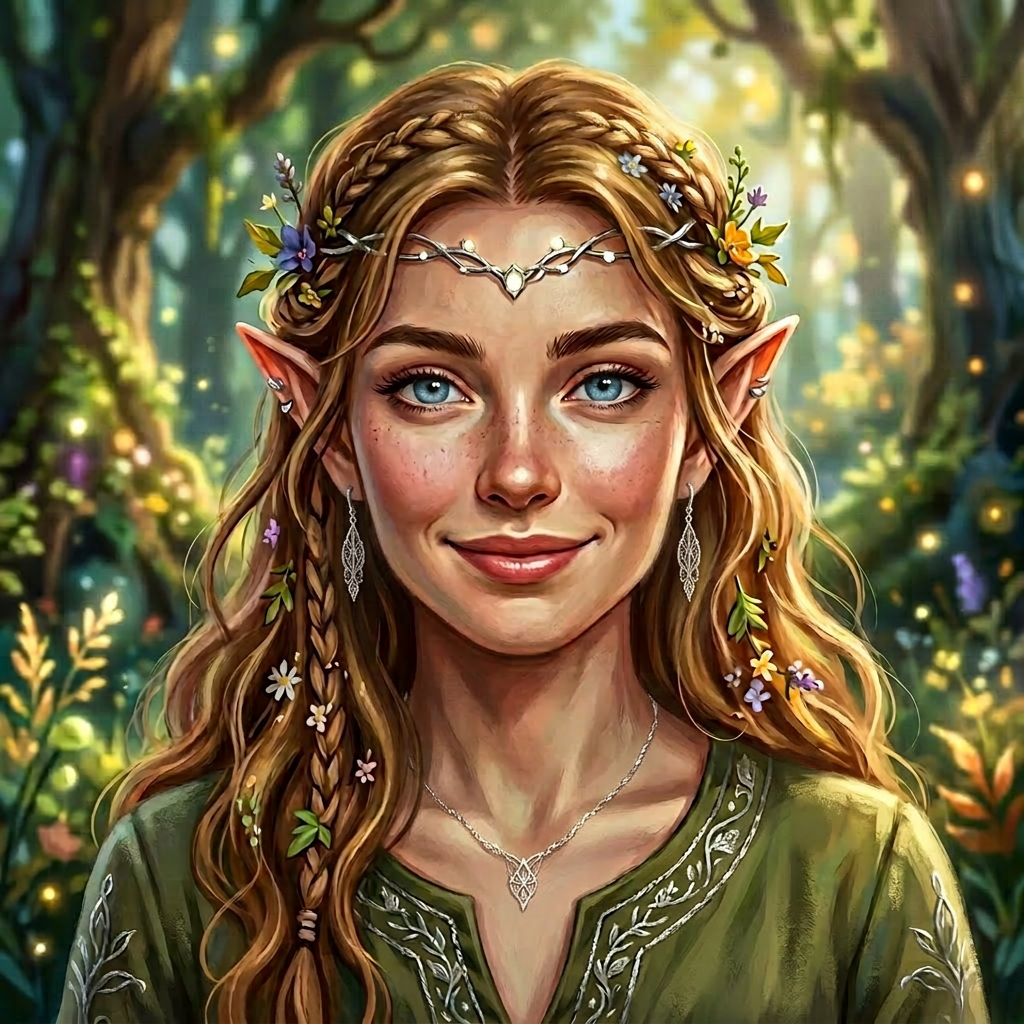 |  |
| More extreme than low angle, very stylized | Great for storytelling and interaction | Emotion, detail, texture | Hyper focus on a detail |
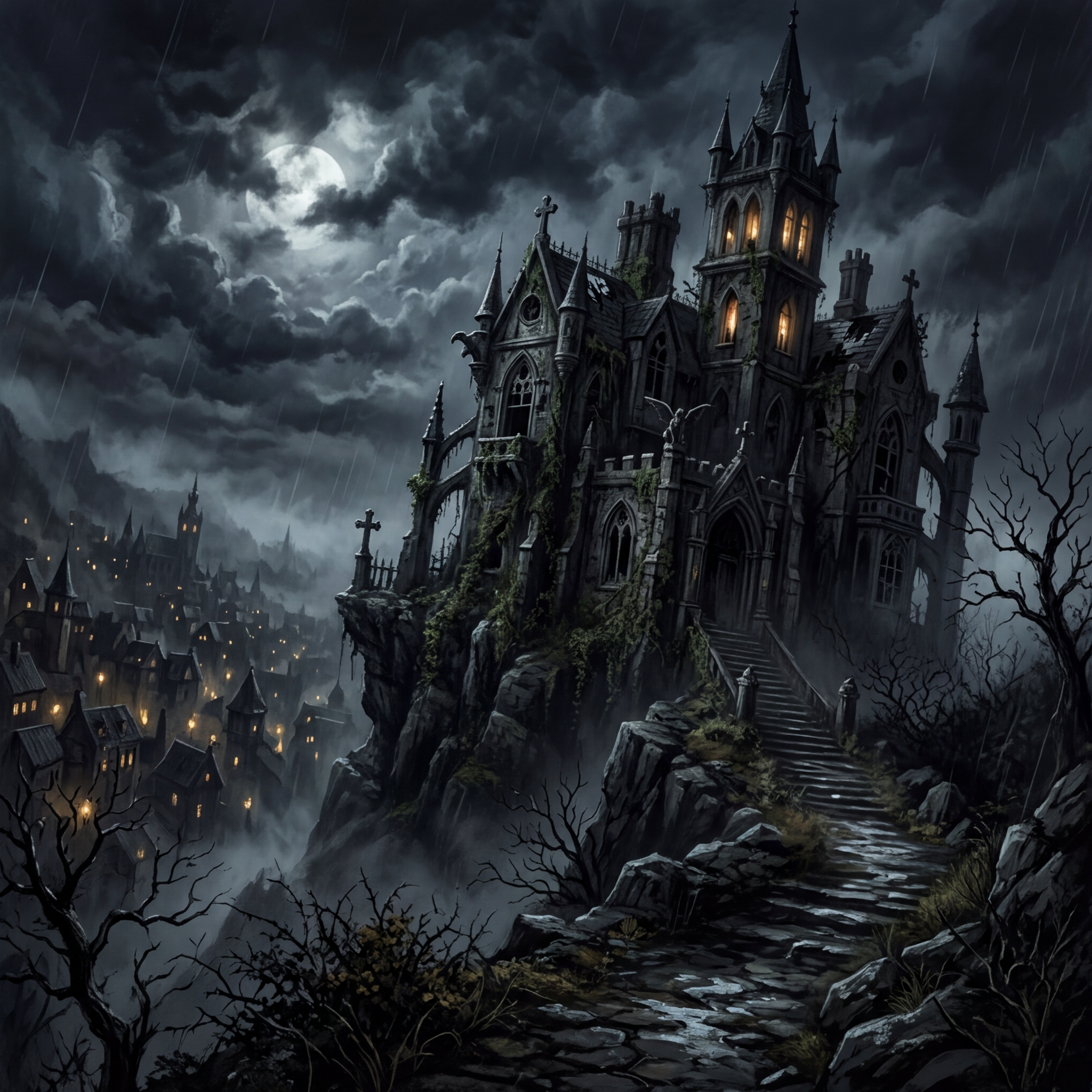
| Medium shot | Full shot (full body) | Wide shot | Extreme wide shot (establishing shot) |
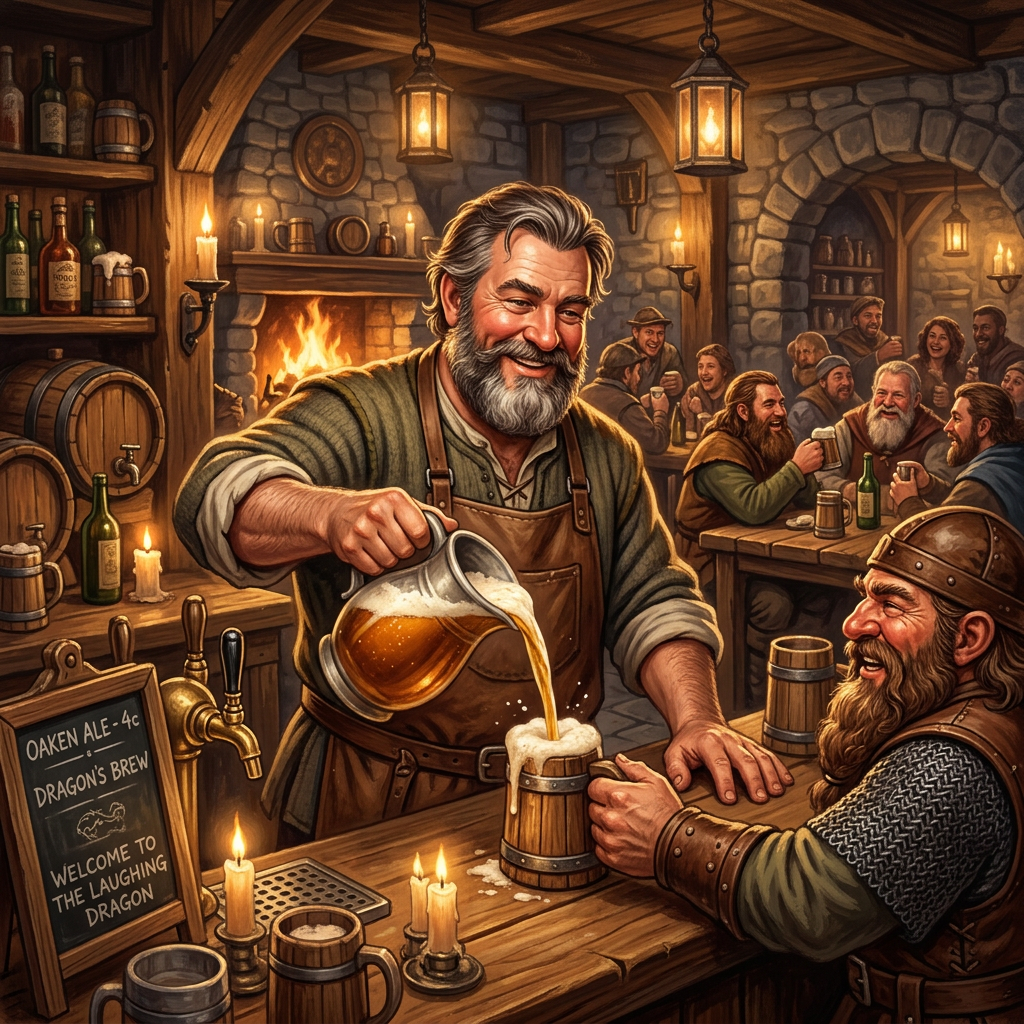 | 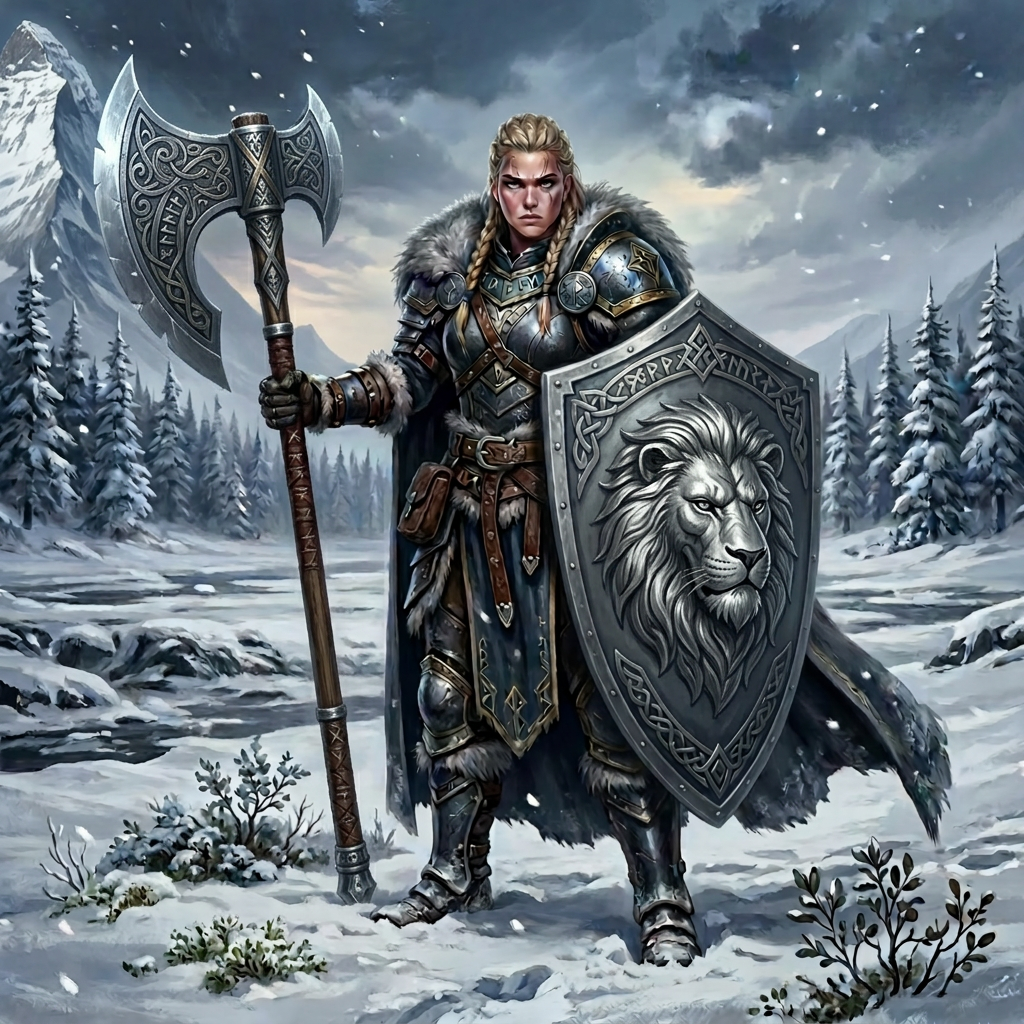 | 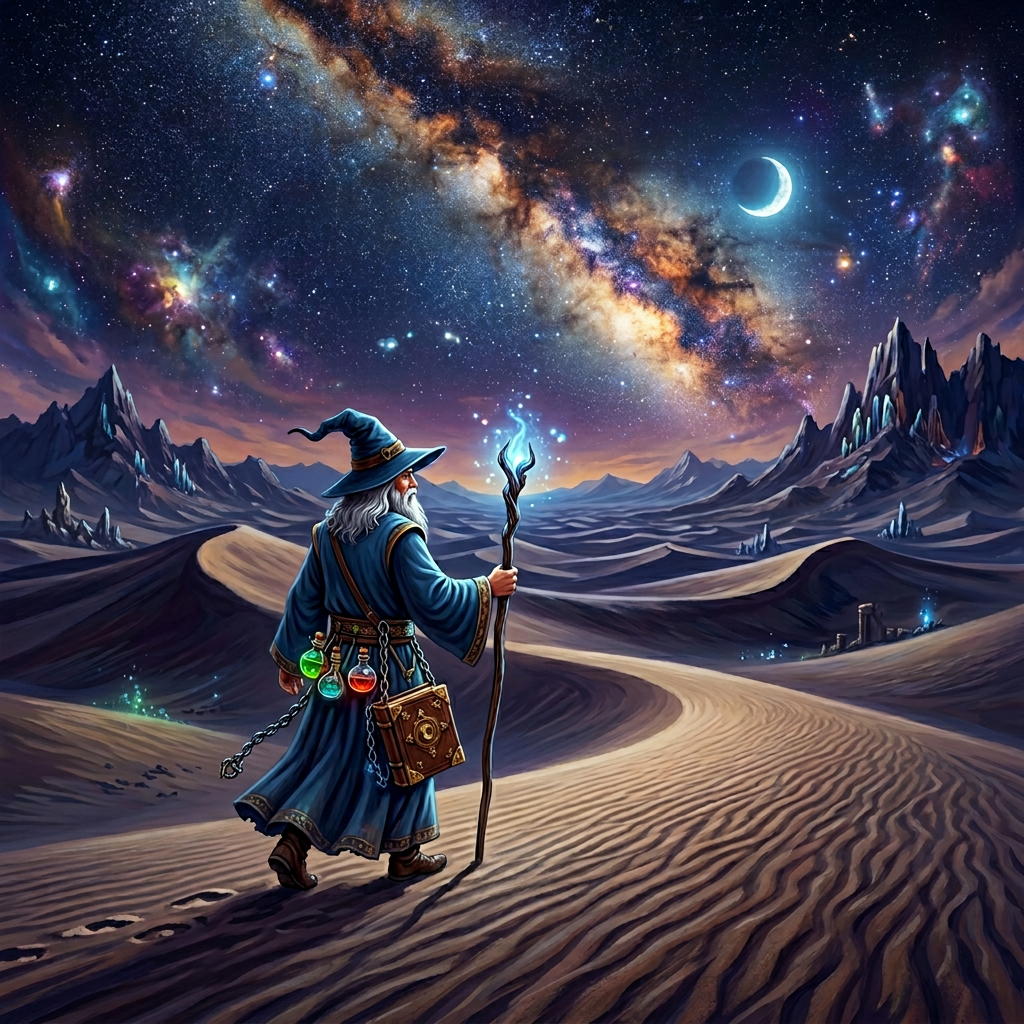 | 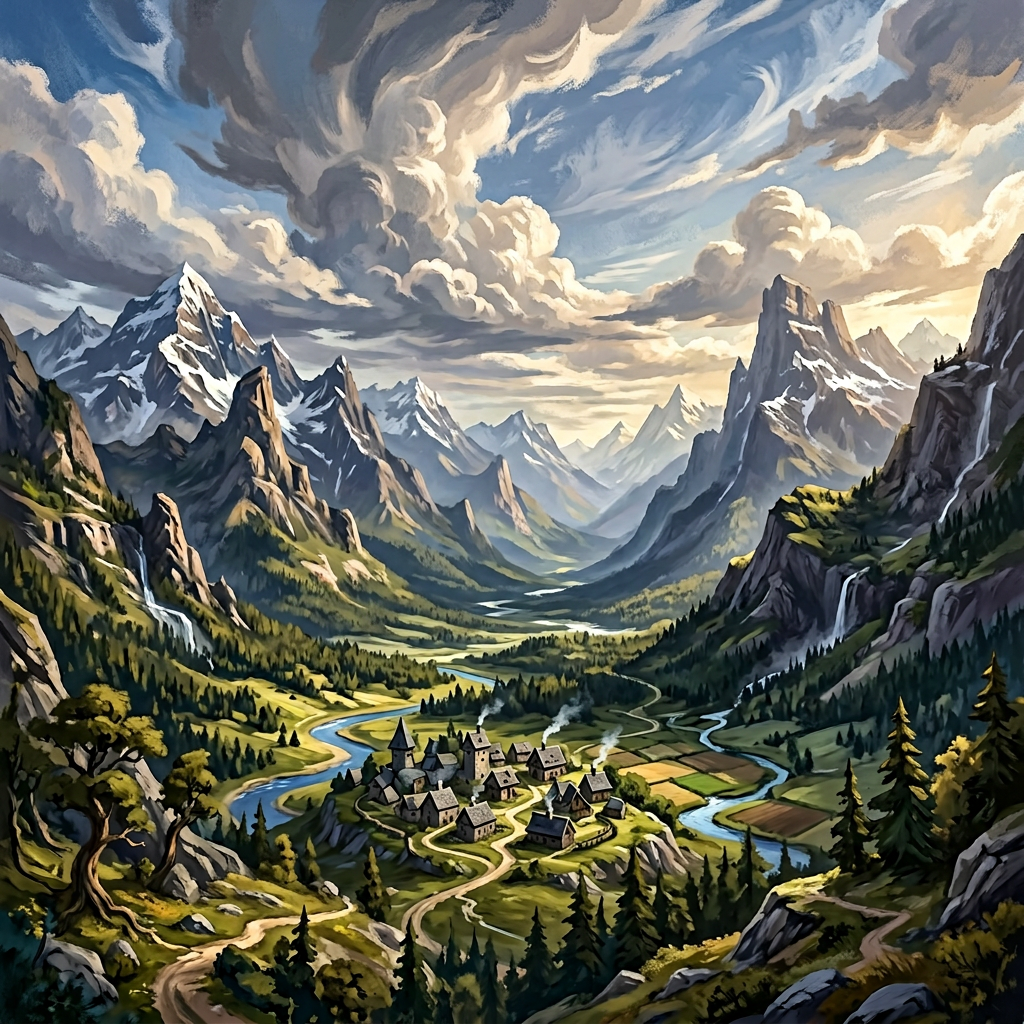 |
| Waist-up framing, very stable composition | Shows character + posture | Subject in environment | Environment dominates |
| Dutch angle (tilted shot) | Isometric view | POV shot (first-person) | Macro shot |
 | 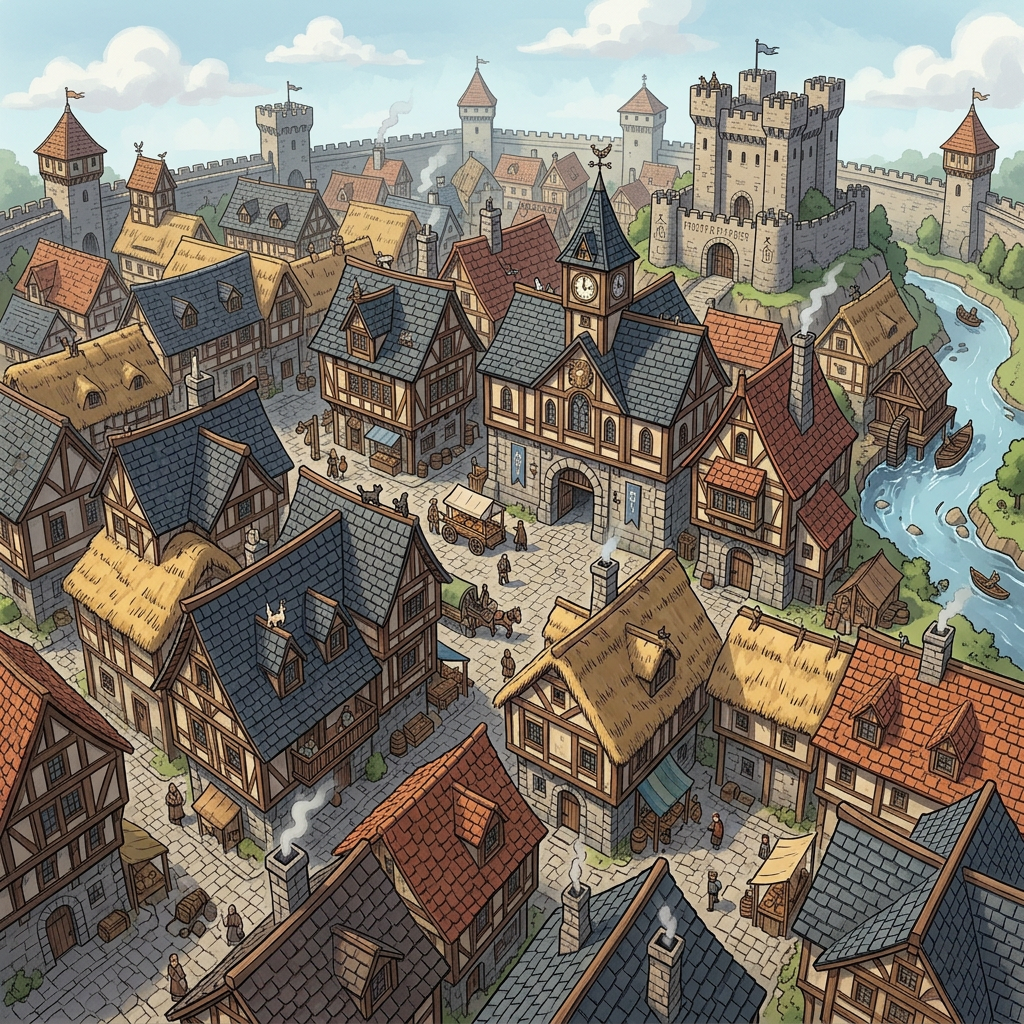 | 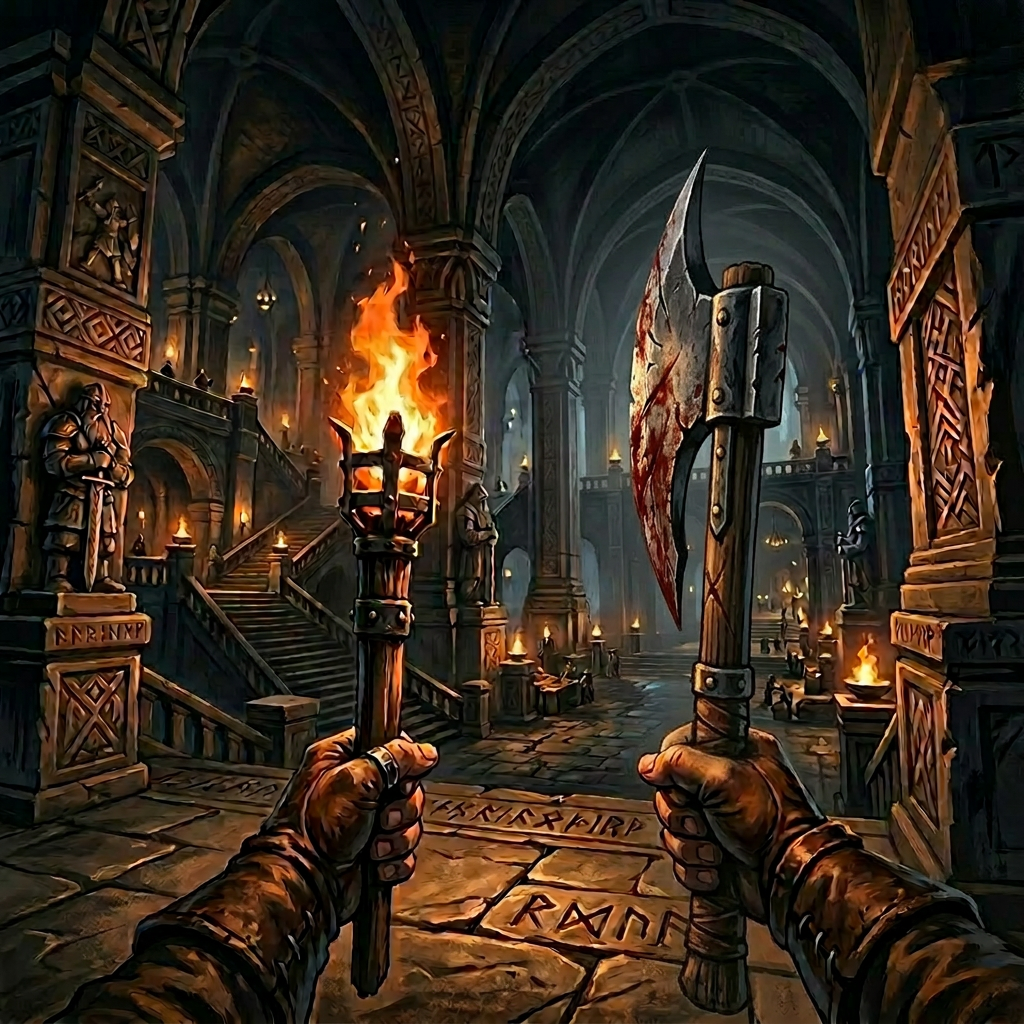 | 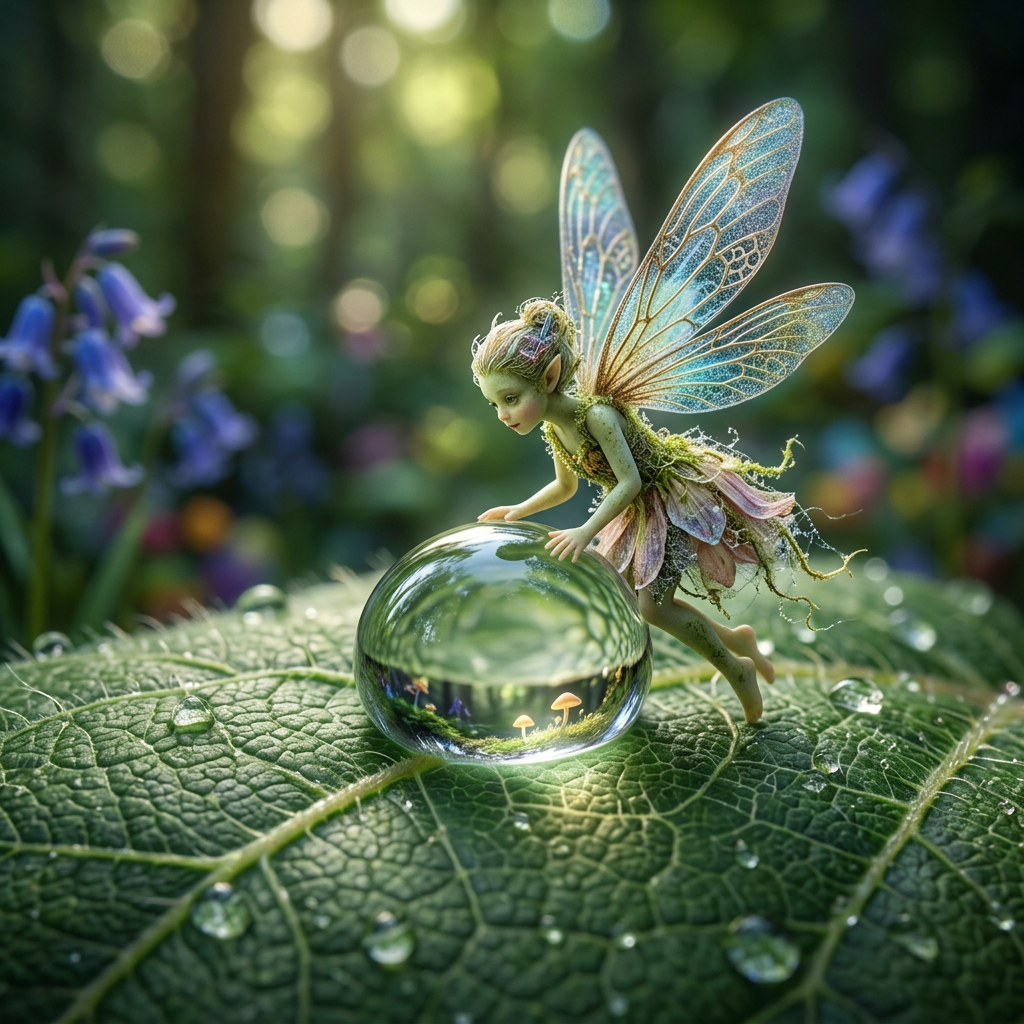 |
| Adds tension, instability | Very popular in generative AI, super clean results | Immersive, game-like | Tiny subjects, strong depth of field effects |
| Aerial Shot | Tracking shot (implied motion) | ||
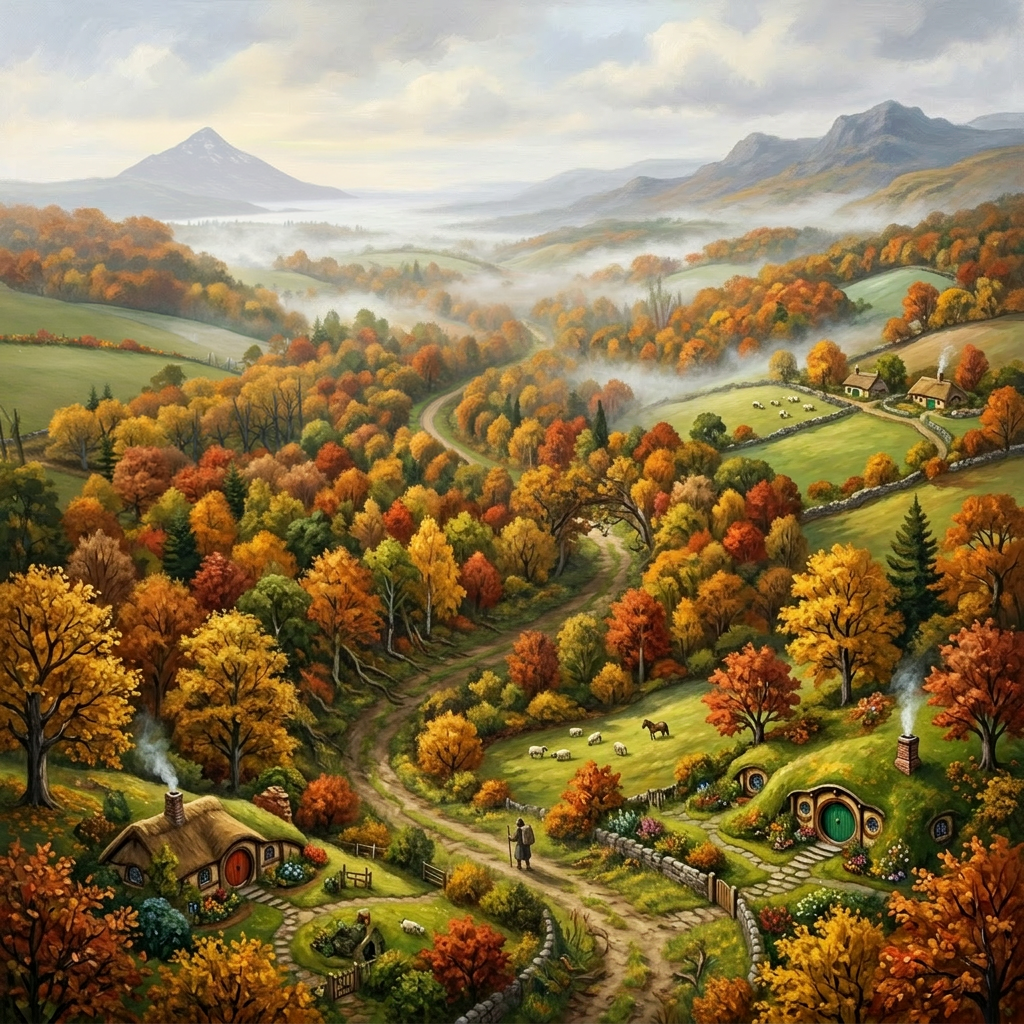 | 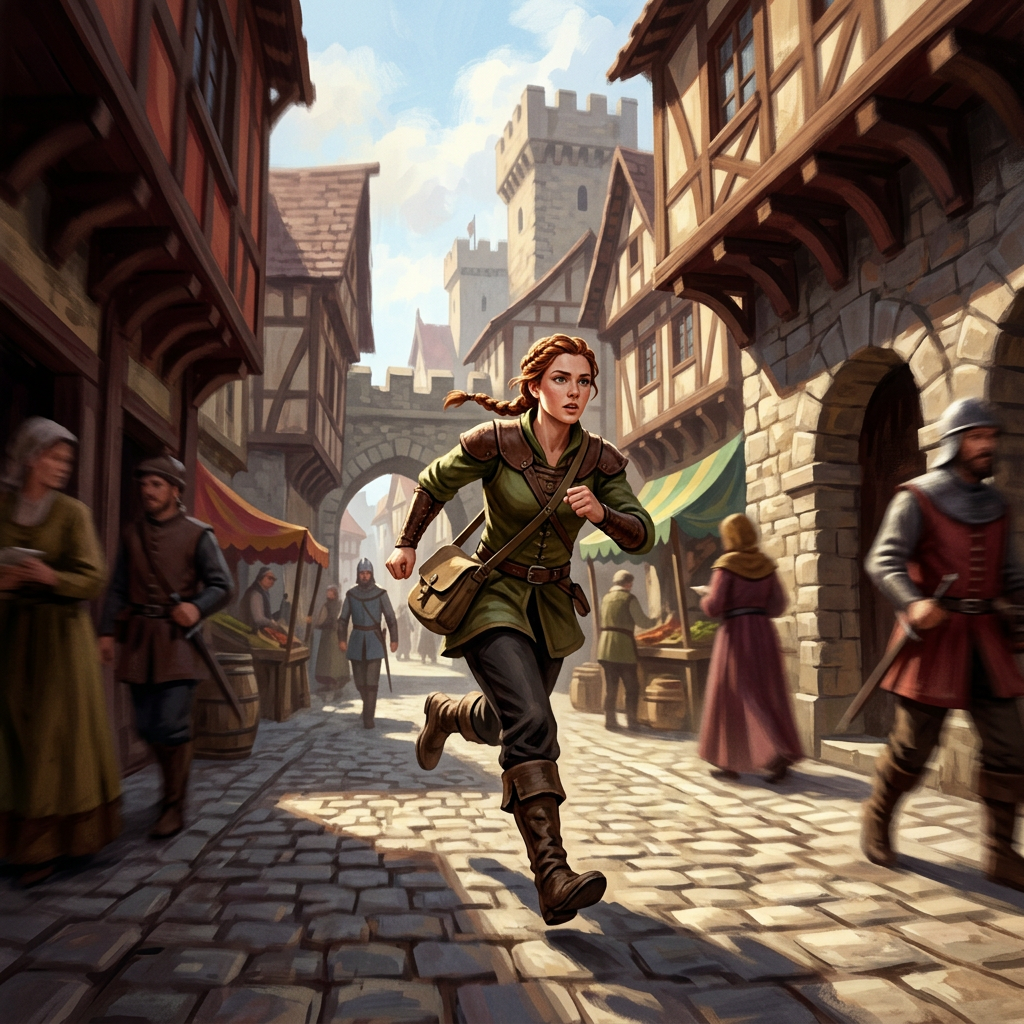 | ||
| Less vertical than bird’s-eye, more cinematic landscape | Works surprisingly well even in stills |
Style
- Photographic / Photo realistic
- Anime
- Neon Punk
- Oil Paint
- Watercolor
- Fantasy Art
- Pencil Sketch
- Chalk Pastel
- Digital Art
Subject
Describe the subject in detail. Shape, size, how things are positioned.
Colors
Specify the desired dominant colors or mood board.
Materials
Describe materials.
Viewing Distance
- Extreme Long Shot
- Very Long Shot
- Long Shot/Wide Shot
- Full Shot
- Medium Long Shot
- Medium Shot
- Medium Close-up Shot
- Close-up Shot
- Extreme Close-up Shot
Viewing Angle
- Top-Down View (90°)
- High Angle View (45°)
- Eye-level View (0°)
- Low-angle View/Hero Shot (-15°)
- Extreme Low-angle View/Worm's eye View (-60°)
Focal Length
- 18mm : Super wide, capture a lot in the frame. Good for big landscapes or tight spaces. Adds depth and slight warping.
- 24mm : Versatile wide-angle view, great for portraits, street scenes, and landscapes. More background than a standard lens, less distortion and less warping.
- 35mm : Natural perspective closer to the human eye. Ideal for street photography or environmental portraits, where subjects interacts with their surroundings.
- 50mm : Standard and versatile. Very close to the human eye - natural and familiar feel.
- 85mm : Zooms in a bit, narrower view - flattering perspective for portraits. Minimizes distortion - popular choice for capturing people and food close-ups without warping the subject.
- 105mm : Telephoto - great for portrait photography, flattering look. Macro photography - shallow depth of field (blurry background) to isolate the subject.
- 135mm : Very narrow angle of view, nice magnification. last focal length for portrait photography - headshots with smooth blurry background.
- 200mm : Perfect for isolating subjects from a distance. Ideal for wildlife, sports, and astrophotography.
Special Lenses
- Fisheye Lens : Super wide-angle, up to 180 degrees, bending the scene with a curved bubble effect. Trippy, distorted look.
- Tilt-Shift Lens : Blur parts of the image, creating a “miniature effect” that makes giant buildings look tiny.
- Lensbaby : Creative blur on most of the image and focus on a specific spot. Dreamy, magical effect.
- Infrared Lens : Reveal things invisible to the naked eye. Alien-looking landscapes. Mysterious and otherworldly vibes.
- Pinhole Lens : Soft photos with and a dreamlike quality. Experimental and back-to-basics approach to images.
Various
- Short/Fast Shutter Speed : No blur, quick camera blink. Less light in, darker images. Good for catching splashes, jumps, or fast movements.
- Slow/Long Shutter Speed : Blurry waterfalls, streaky city lights. Shutter stays open longer, capturing movement and light over time. Good for showing motion or starry night skies.
- Wide Aperture : (low f-number between f/1.4 and f/5.6). Lots of light in with soft blur effect in the background, perfect for portraits or product pics.
- Narrow Aperture : (high f-number, like f/11 or f/32). Less light in but everything in focus, from front to back. Perfect for landscapes, buildings, or scenes with lots of details.
- Low ISO : (ISO 100 or 200) Perfect for bright scenes. Keep photo crisp and clear, no graininess.
- High ISO : (ISO 800, 1600, or beyond) Capture images in darker environments, sometimes adds noise.