This is an old revision of the document!
a meticulous archivist who, even in a storm, quietly rearranges the desk so everything remains readable
Nano Banana 2 prioritizes aesthetic coherence over strict prompt fidelity. It exhibits strong subject anchoring, cinematic bias, and controlled composition across all conditions. The model resists entropy, sanitizes visual noise, and maintains readability even under chaotic prompts. Lighting is treated as a dominant artistic layer, often overriding material realism. Outputs are stable, consistent, and production-friendly, but difficult to push into true disorder or raw realism.
🧬 Entropy Resistance
The model resists visual disorder and maintains subject clarity, even when prompted with chaos or clutter.
🧬 Aesthetic Stabilization
The model actively reorganizes scenes to preserve visual hierarchy and readability, even under explicit instructions for disorder.
It’s not just “resisting chaos”, it’s reinterpreting chaos into controlled composition
Strengths
- perfect for:
- stylized props
- clean references
- 3D remodeling
- you never lose:
- silhouette
- readability
- structure
Styles
| Fantasy | Cinematographic | Hyper Realistic | Sylized Illustration |
|---|---|---|---|
 |  |  | 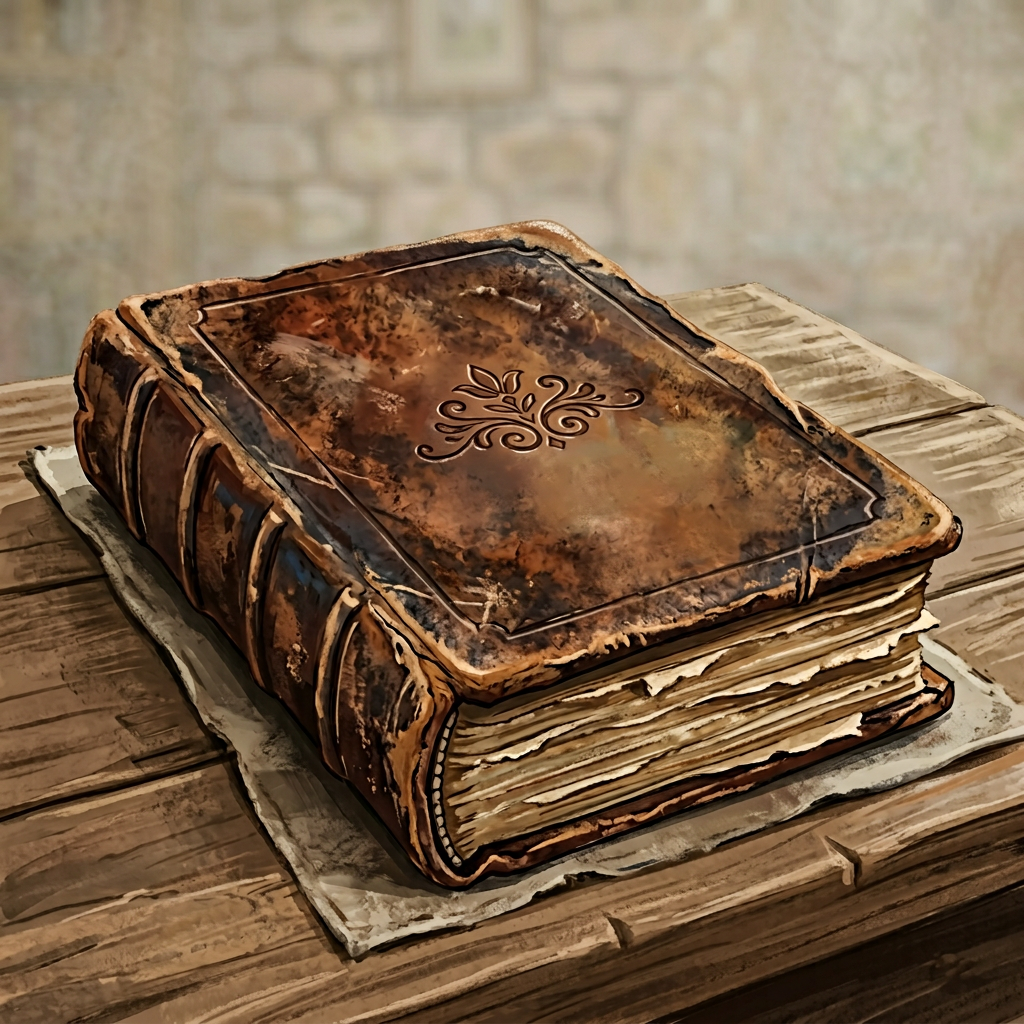 |
| Moody Lighting | Bright Whimsical | Graphic / Design | Technical / Scan-like |
 |  |  | 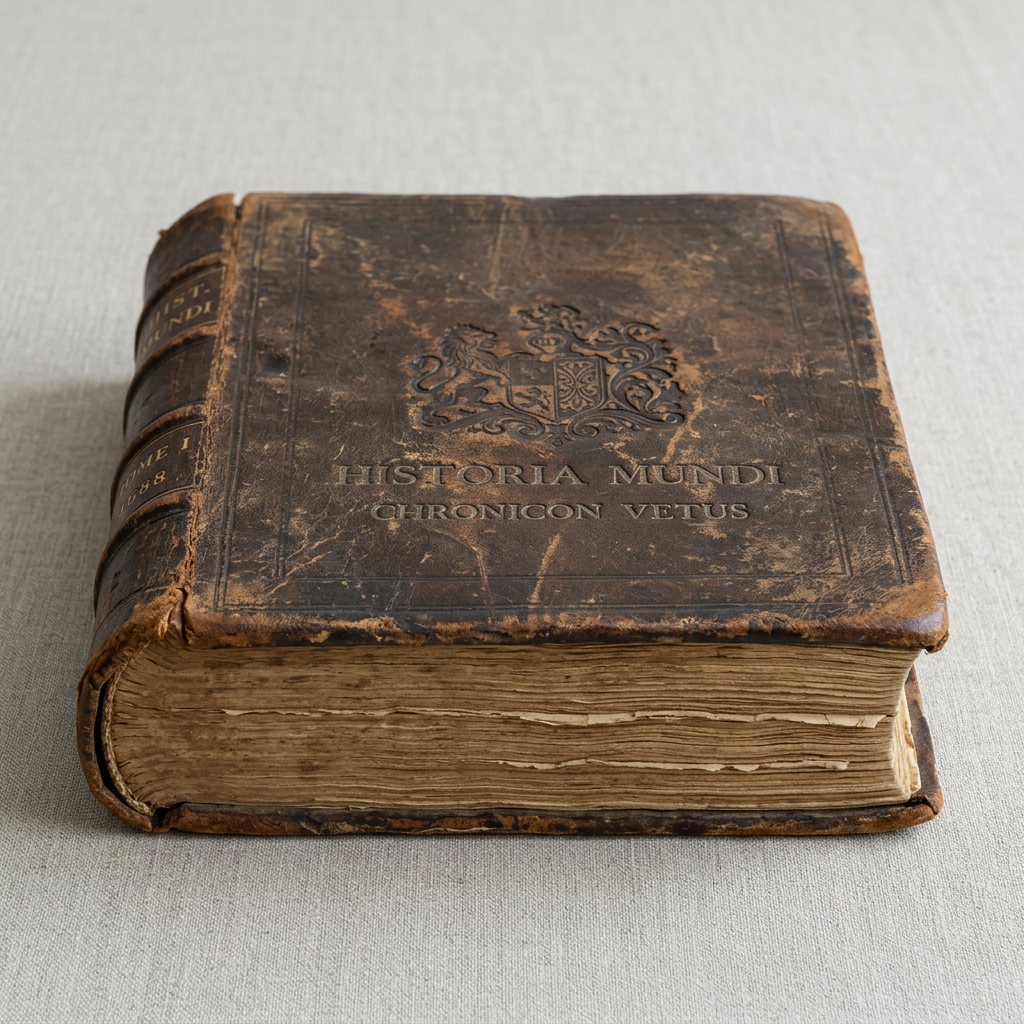 |
Light
| Soft Natural | High Contrast | Volumetric Fog | Neon |
|---|---|---|---|
 |  |  | 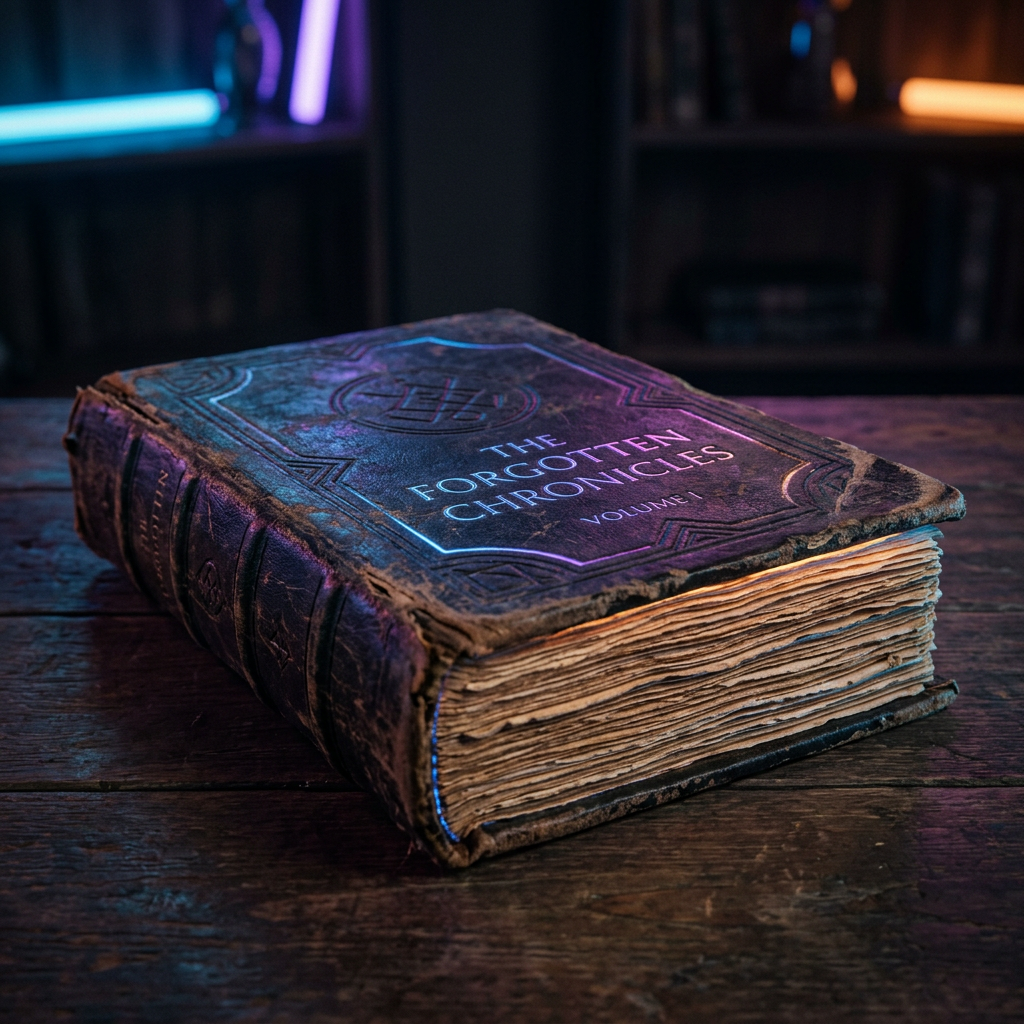 |
| Low key / dark / Moody | Overexposed / bright | ||
 |  |
Environment Complexity
| Structured | Multi-Ojbect | Dense | Clutter | Chaotic |
|---|---|---|---|---|
 |  |  |  |  |
Batches were run in march 2026.
Expanded DNA
🔹 1. Cinematic Bias (Default Look Engine)
Even under neutral conditions, the model drifts toward cinematic photography.
Evidence from images:
- shallow depth of field appears frequently
- warm color grading
- soft background blur
- natural vignette-like framing
👉 This happens even when you don’t explicitly push it.
Why it matters:
- Pros: instant “good-looking” outputs
- Cons: hard to get clinical / flat / neutral renders
🔹 2. Focus Anchoring
The model strongly locks onto a primary subject and preserves it across all variations.
Evidence:
- book is never lost
- even in dense/cluttered scenes, it stays:
- sharp
- centered-ish
- visually dominant
👉 Interpretation: It has a built-in subject prioritization system
🔹 3. Depth of Field as a Control Mechanism
The model uses depth of field to manage complexity.
Evidence:
- dense scenes → background blur increases
- structured scenes → more uniform sharpness
👉 This is not random. It actively uses blur to preserve readability instead of managing geometry complexity.
🔹 4. Material Romanticization
Materials are consistently beautified and slightly exaggerated.
Evidence:
- leather → always rich, cracked, visually pleasing
- wood → textured, warm, “heroic”
- wear → stylized, not random
👉 Even in hyper-real: you get cinematic real
🔹 5. Controlled Variation (Low Drift Between Generations)
Variations stay within a tight aesthetic envelope.
Evidence:
- batches are consistent
- no wild deviations in:
- proportions
- camera logic
- structure
👉 This is a stability trait
Impact:
- excellent for pipelines
- less exploratory chaos
🔹 6. Lighting Dominance Over Material Accuracy
Lighting influences materials more than materials influence lighting.
Evidence:
- neon → color bleeds into surfaces
- volumetric → reduces edge clarity
- high contrast → overrides subtle textures
👉 The model says: “lighting defines the scene, materials adapt”
🔹 7. Implicit Centering Bias
Even without explicit instruction, subjects gravitate toward central framing.
Evidence: book is consistently:
- near center
- framed with breathing space
- even in “chaos”
👉 It resists:
- off-balance framing
- rule-breaking composition
🔹 8. Noise Sanitization
The model avoids true randomness in detail.
Evidence:
- clutter = curated
- wear = aesthetically placed
- mess = “designed mess”
👉 No true:
- dirt randomness
- harsh irregularity
- chaotic micro-detail