This is an old revision of the document!
Firefly 5
a careful visual designer who polishes every prompt into a clean, readable presentation, strongest when clarity, objects, layout, and graphic control matter more than drama
General
Firefly 5 prioritizes presentation clarity, clean composition, and controlled visual design over cinematic intensity, deep storytelling, or expressive chaos.
It exhibits strong subject readability, often choosing safe framing, catalog-like presentation, studio lighting, and visually accessible layouts.
The model performs best with objects, products, text, symbols, patterns, architecture, materials, fashion, and controlled atmospheric scenes.
Human anatomy, mythic invention, large-scale fantasy, and chaotic storytelling are more uneven, often becoming generic, stiff, illustrative, or visibly synthetic when the prompt requires more interpretive force.
Outputs are polished, readable, and often aesthetically pleasant, but can feel too clean, too safe, or too catalog-like when a scene requires emotional weight, physical danger, scale integration, or narrative power.
Hero Shots
Fashion Editorial

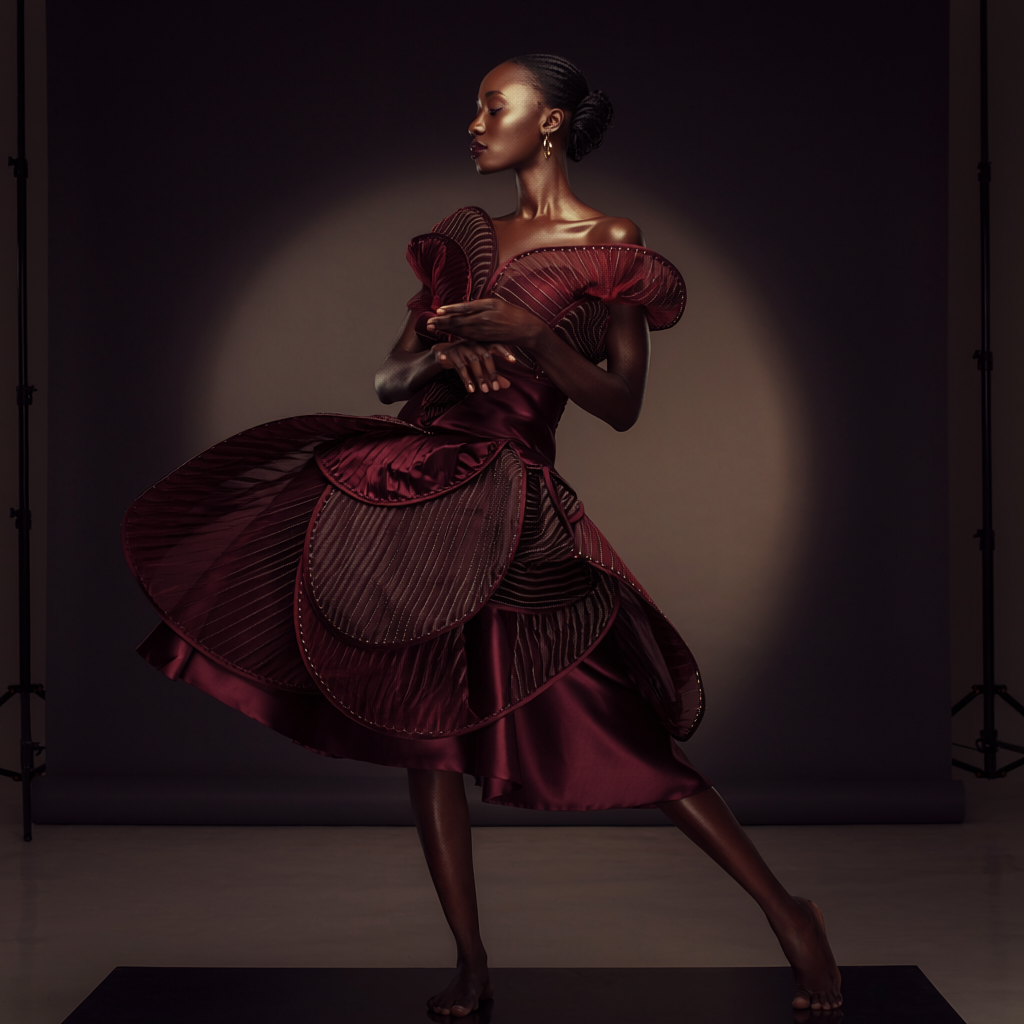
A high-fashion editorial full-body photograph of a strong feminine subject in a minimal studio environment, poised and elegant, wearing a richly textured couture dress combining deep satin and intricate lace. The fabric language should feel luxurious, powerful, and refined. Flowing translucent fabric wraps playfully around the model like a blooming flower, curling around her body in elegant arcs and spirals rather than floating above her, creating a sense of movement and feminine force.

The color palette should be more dramatic and contrasted: deep wine, plum, black cherry, or dark jewel tones in the dress, lit by warm sculpting light that creates glowing highlights against darker rich fabric. Strong contrast, striking silhouette, editorial sophistication, graceful but confident pose, beautiful leg and arm lines, premium magazine quality, emphasis on cloth texture, lace detail, satin sheen, and visual drama.
Post-process on Curve levels, brightness, saturation, contrast, exposure
Brand Logo
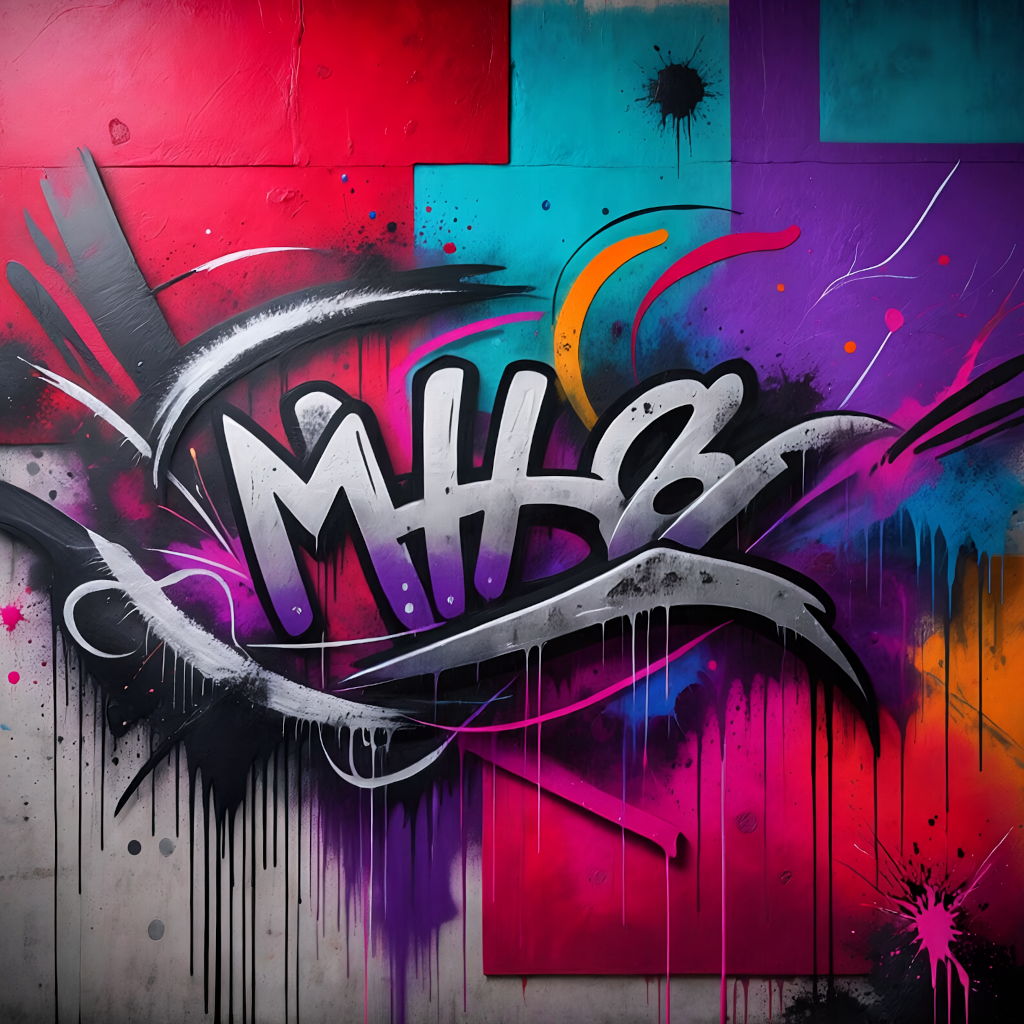
Prompt:
A bold abstract brand hero image in a streetwear and graffiti-inspired visual language, built like an artistic installation. The scene features an expressive composition of painted forms, 3D sculptural shapes, spray-painted surfaces, dripping paint, scattered spray cans, paint buckets, layered textures, and graphic strokes on a slightly rough studio-floor or concrete-like setting. The overall feeling should be creative, urban, playful, and artist-driven rather than glossy childlike playground design.

At the center, integrate a clean but expressive 3D logo treatment with clearly readable text saying "PLAY PARK". The text should feel like part of the installation, surrounded by bold color fields, paint drips, and abstract spatial forms. Use a vibrant palette with strong street-art energy, mixing tactile imperfection with polished design. The result should feel like a premium streetwear campaign visual: stylish, colorful, artistic, slightly dirty in the right way, and portfolio-worthy.
Skateboard
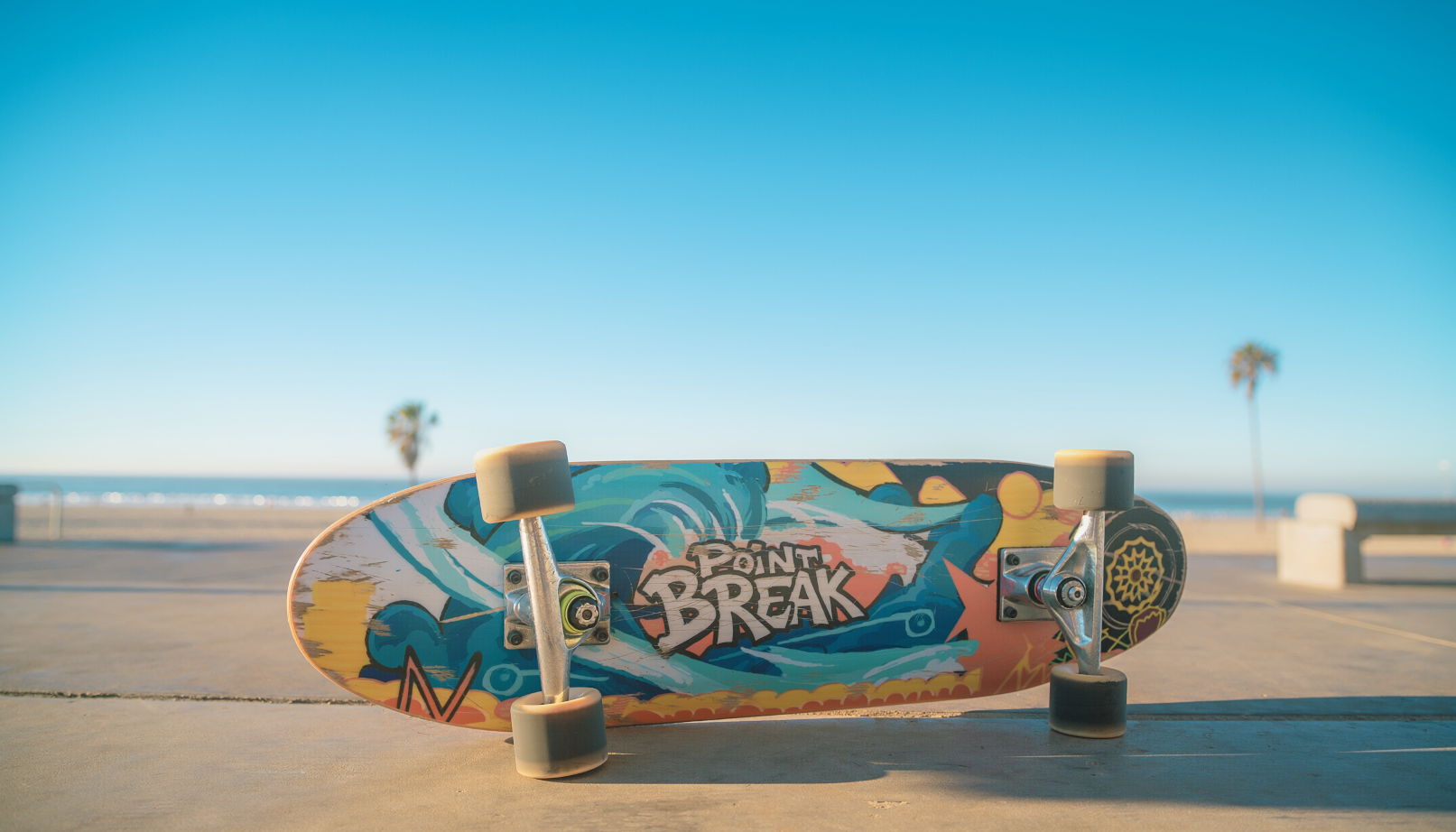
Prompt:
A premium skateboard product hero shot on a sunny California beachfront promenade, the skateboard resting on its side and balanced against two wheels so that the underside of the deck is clearly visible, low ground-level camera placed almost at pavement height, camera kept level with the horizon, wide breathing composition with the upper half of the image खुलly showing blue sky and a glimpse of sea in the distance, strong sense of freedom and open air, playful surfer-punk energy.

The underside of the board features a bold ocean-graffiti illustration with youthful rock-and-roll attitude, wave-inspired shapes, cheerful colors, and clearly readable graffiti-style text saying "POINT BREAK". The deck should feel premium but used, with tasteful scratches, scuffs, and authentic wear. Warm sunlight, long soft shadows, subtle palm tree silhouettes, clean but lively beachside atmosphere, commercial product photography, stylish and aspirational, no people.
Architectural Catalog
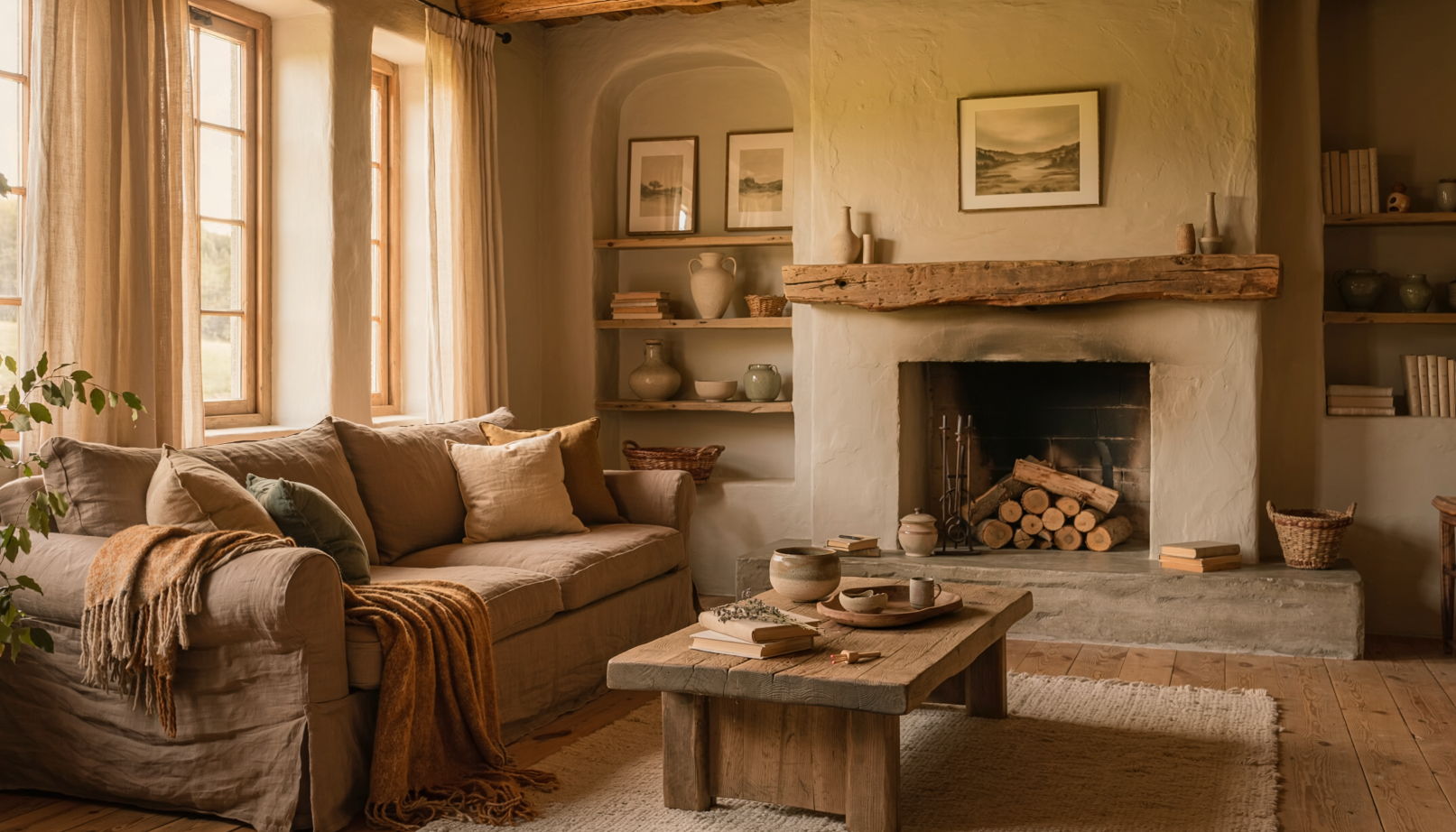
Prompt:
A cozy rustic countryside house interior photographed in a warm architectural-catalog style, inviting and richly detailed without feeling cluttered. A comfortable linen sofa with layered cushions sits near tall windows with soft curtains, warm afternoon light entering the room. A casually draped throw blanket rests on the armrest. The room should feel old, cared for, and beautifully arranged, with natural wood tones, textured walls, and a warm lived-in atmosphere.

On the other side of the composition, avoid blank empty wall space: include a more characterful fireplace area with stacked logs, subtle framed artwork or a small wall composition, built-in shelves, pottery, and thoughtful decorative details. The coffee table should feel less sterile and more lived-in, with a few books, ceramics, and objects that feel intentionally placed rather than generic props. The overall image should feel warm, snug, refined, and welcoming — more countryside retreat than beach house, with visual richness and interior-design charm, no people.
Hero shots were run in june 2026.
Main DNA Traits
🧬 Presentation Clarity
The model consistently organizes images into readable, clean, accessible compositions.
The image is made clear before it is made dramatic
🧬 Object & Design Strength
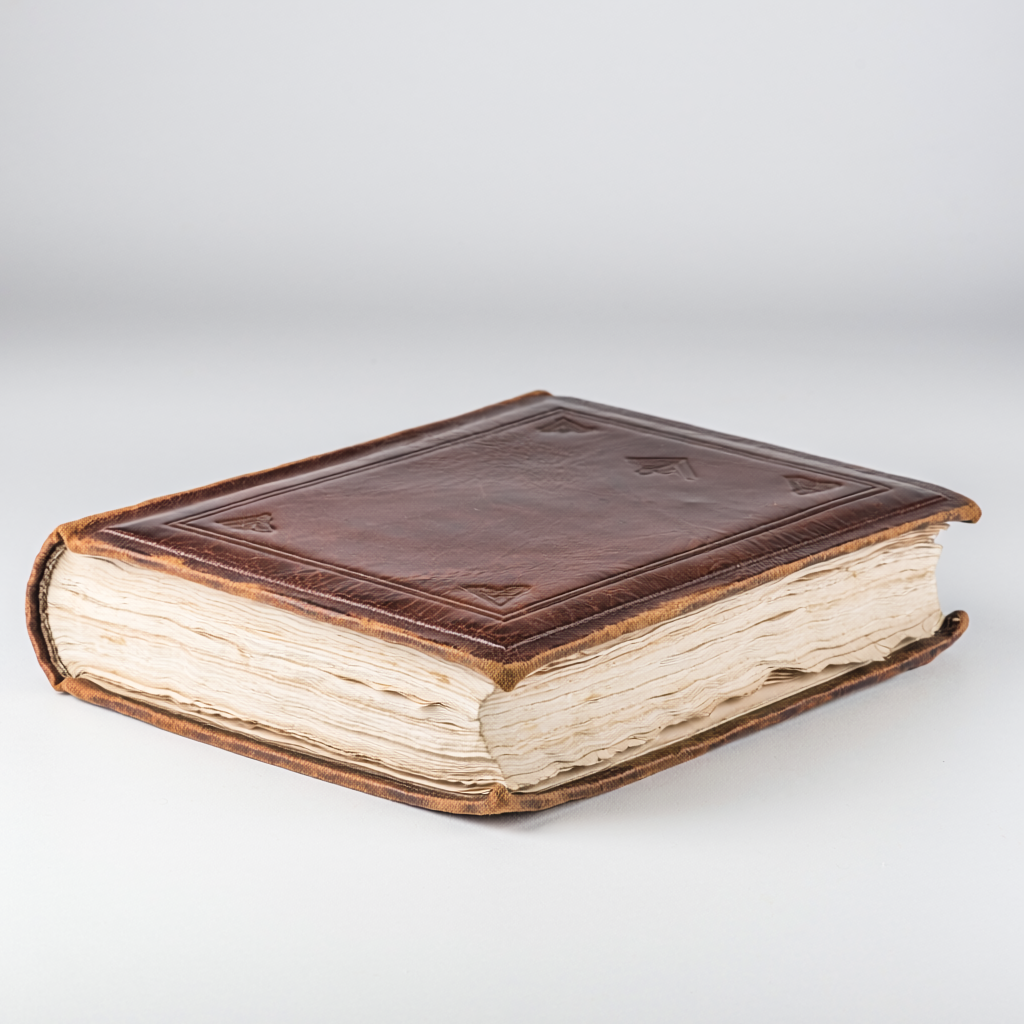
The model is strongest when the prompt can be solved through objects, surfaces, materials, typography, patterns, layout, or controlled visual presentation.
Firefly thinks like a visual designer before it thinks like a storyteller
🧬 Safe Interpretation
The model often selects the safest representative version of a prompt, avoiding extreme drama, strong chaos, anatomical risk, and deep cinematic staging.
It fulfills the prompt cleanly, but rarely pushes it into awe
Strengths
- perfect for:
- graphic design processes
- product-style visuals
- readable text and signage
- clean objects and materials
- patterns, symbols, and controlled layouts
- you often get:
- polished presentation
- readable composition
- strong object framing
- clean material treatment
- safe and usable outputs
Atlas
Core
| Null | Guided |
|---|---|
 |  |
Styles
| Fantasy | Cinematographic | Hyper Realistic | Sylized Illustration |
|---|---|---|---|
 |  |  |  |
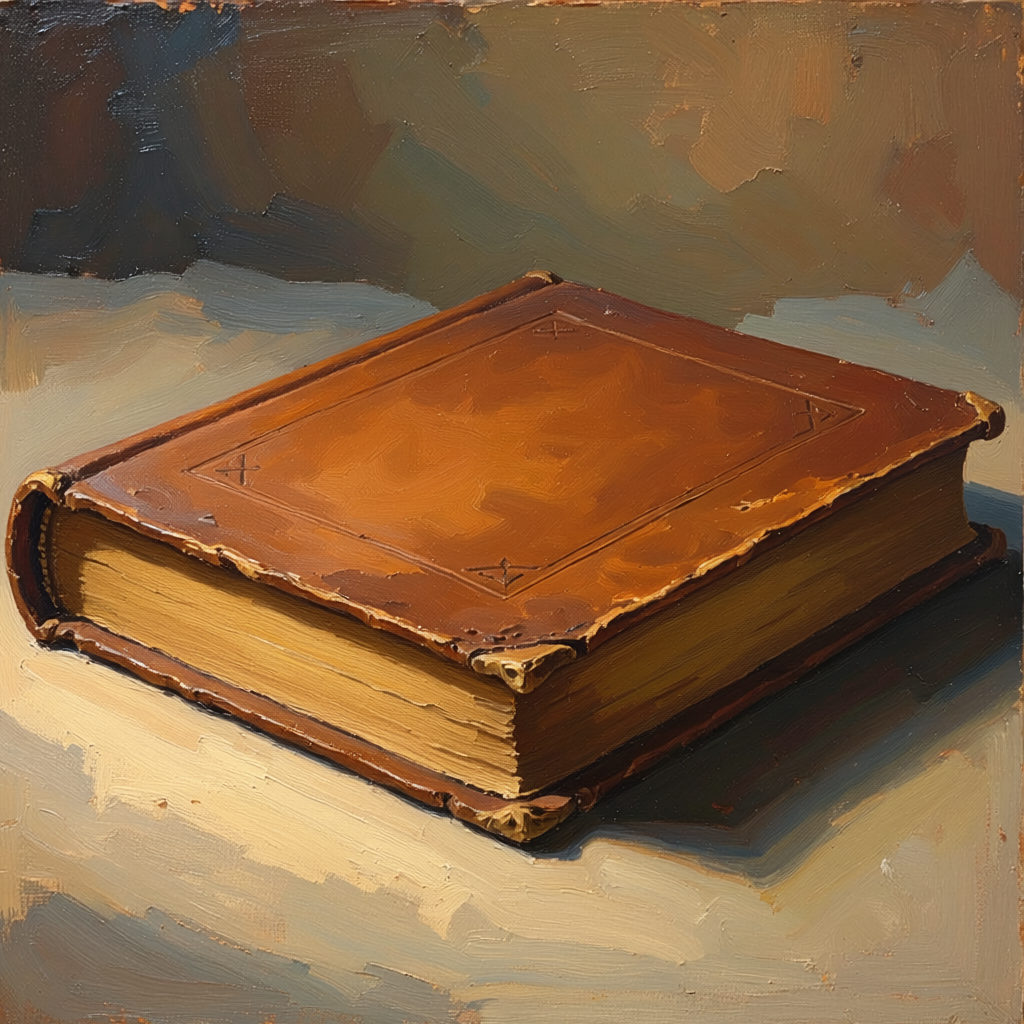
| Painterly | Bright Whimsical | Graphic / Design | Technical / Scan-like |
 |  |  |  |
Light
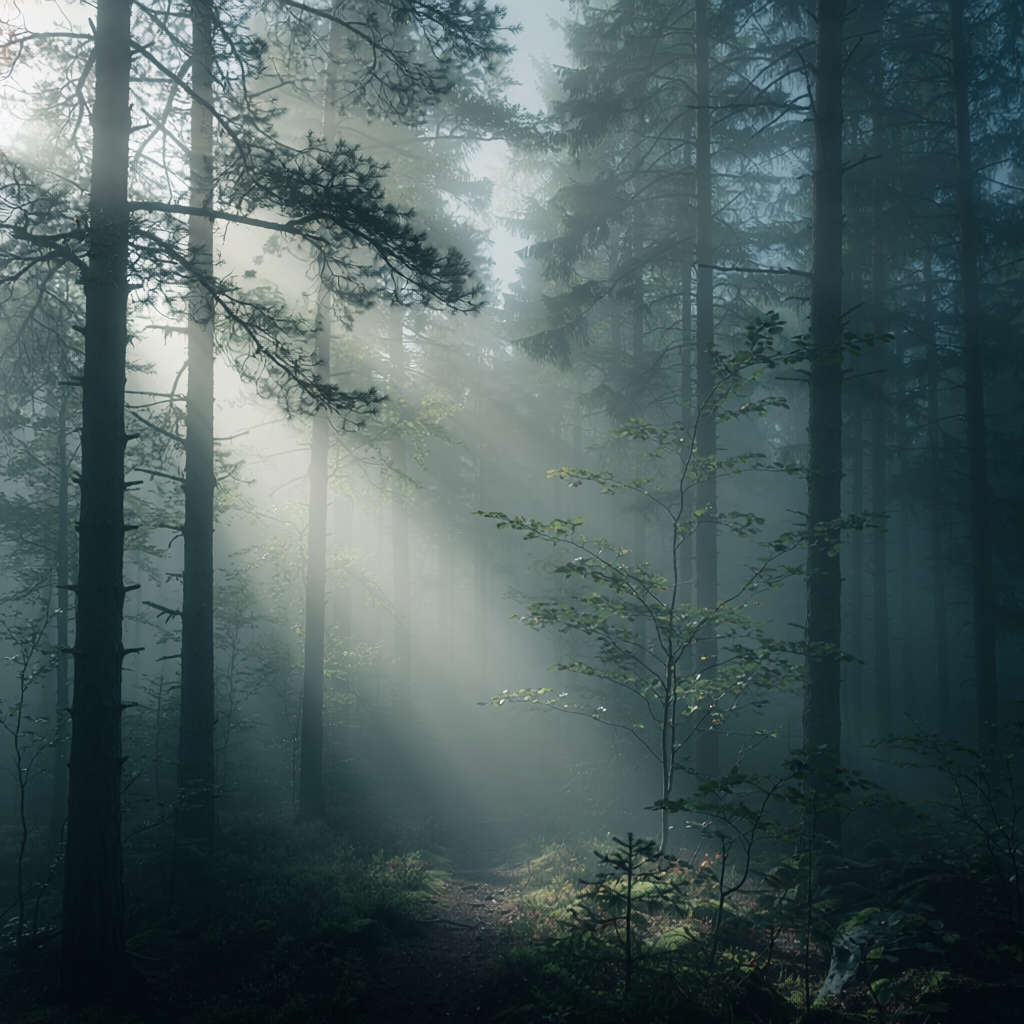
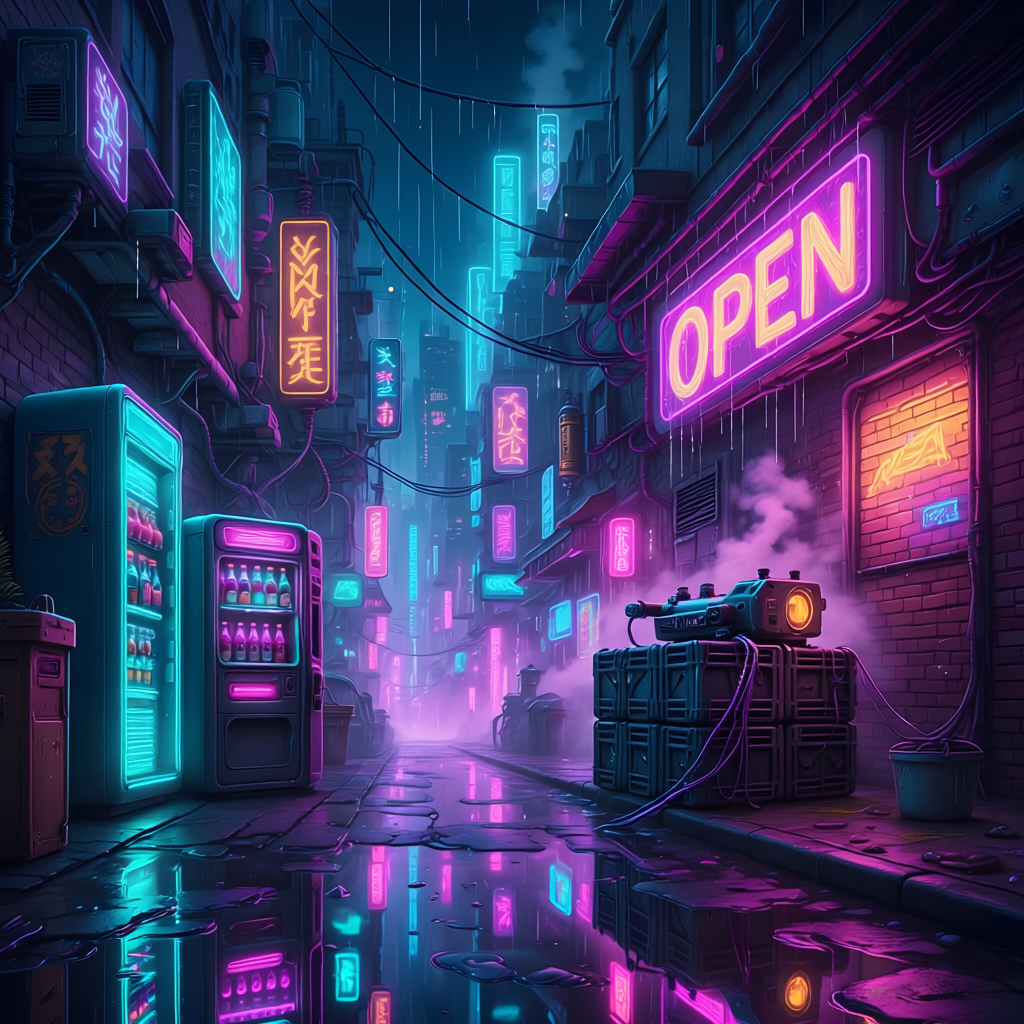
| Soft Natural | High Contrast | Volumetric Fog | Neon |
|---|---|---|---|
 |  |  |  |
| Low key / dark / Moody | Overexposed / bright | Directional Spotlight | Warm & Cool |
 |  |  |  |
Environment Complexity
| Structured | Multi-Ojbect | Dense Environment | Controlled Clutter |
|---|---|---|---|
 |  |  |  |
| Chaotic | Chaos Control | ||
 |  |
Human Anatomy
| Portrait | Full Body | Dynamic Motion | Close-Up |
|---|---|---|---|
 |  |  |  |
Mythic
| Warrior | Mage | Dragon | Hybrid |
|---|---|---|---|
 |  |  |  |
Environment
| Landscape | Cityscape | Interior | Primordial Titan |
|---|---|---|---|
 |  |  |  |
Storytelling
| Single Object | Small Group | Narrative Discovery | Battlefield Chaos |
|---|---|---|---|
 |  |  |  |
Lighting & Atmosphere
| Volumetric Fog | Neon Cyberpunk | Low-Key Moody | Overexposed Washed |
|---|---|---|---|
 |  |  |  |
Materials & Physics
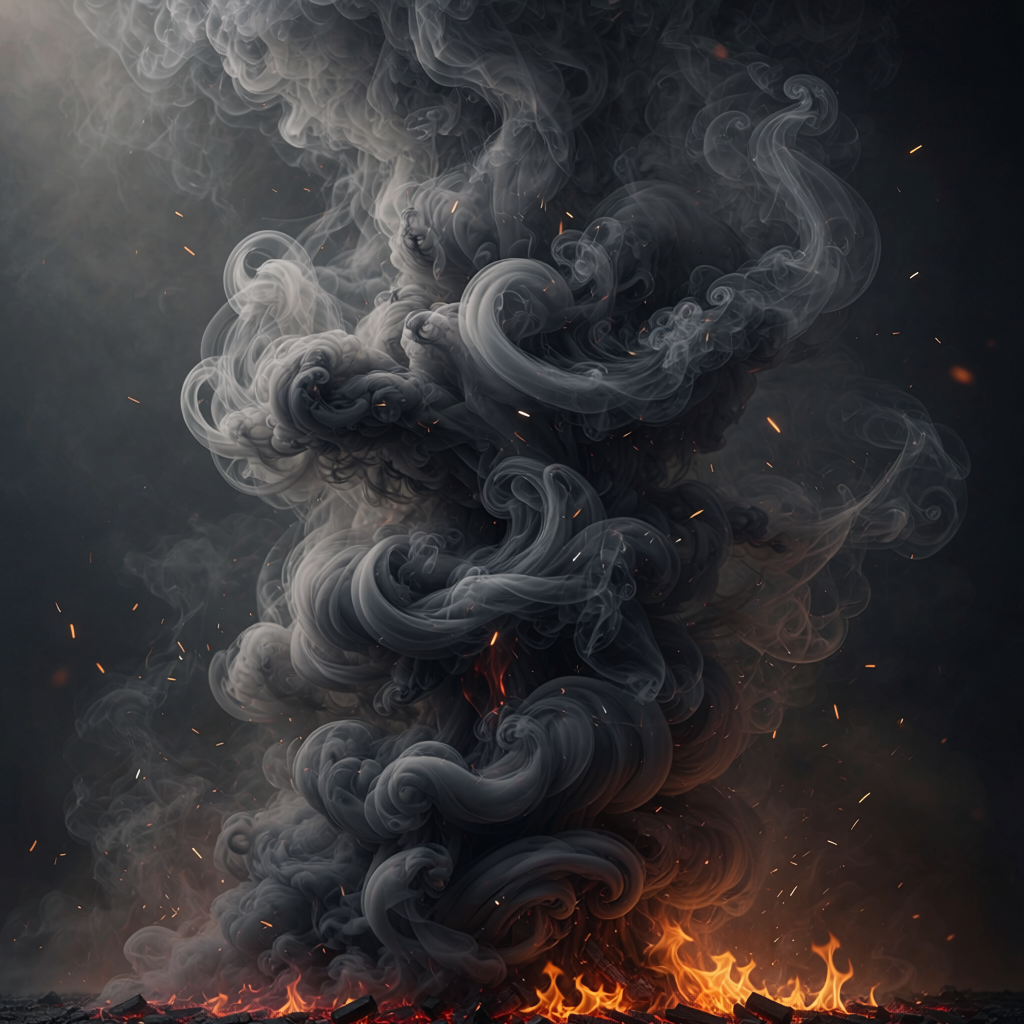
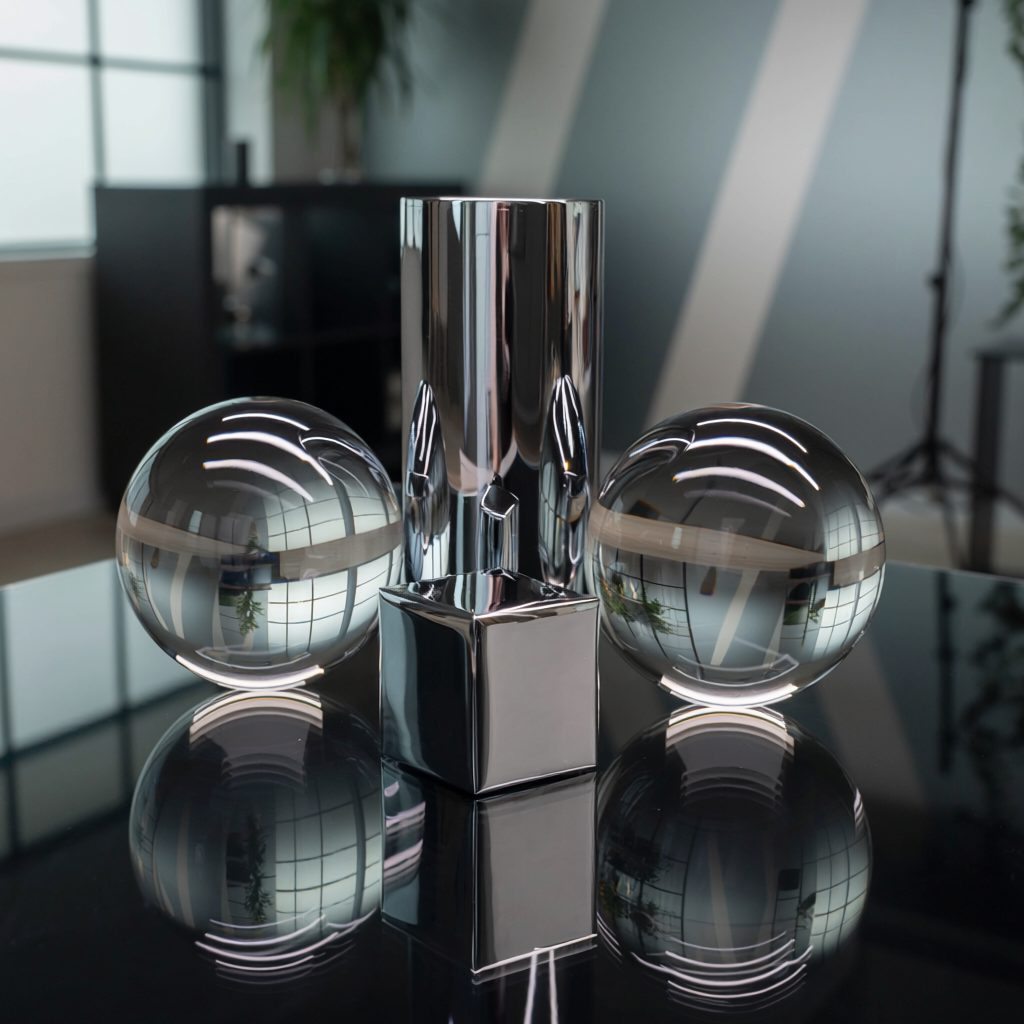
| Water Splash | Smoke & Fire | Reflective Material | Impact |
|---|---|---|---|
 |  |  |  |
Structure & Symbols
| Perfect Symmetry | Complex Patterns | Readable Text | Fantasy Runes |
|---|---|---|---|
 |  |  |  |
Extended Probes
| Macro Photography | Aerial Top-Down | Fashion Editorial | Abstract Emotion |
|---|---|---|---|
 |  |  |  |
Batches were run in april 2026.
Expanded DNA
🔹 1. Presentation Clarity (Primary Rule)
The model makes images clean, readable, and visually accessible before making them dramatic or surprising.
Evidence:
- subjects are usually:
- clearly visible
- cleanly framed
- easy to understand
- compositions often feel:
- controlled
- centered
- catalog-like
- studio-oriented
👉 The model polishes the scene before it dramatizes it
Why it matters:
- Pros: strong for design, documentation, product-like visuals, signage, patterns, and clean image generation
- Cons: weakens drama, surprise, atmosphere, and storytelling force
🔹 2. Object & Surface Strength
The model performs especially well when the image is built around objects, surfaces, materials, patterns, symbols, or typography.
Evidence:
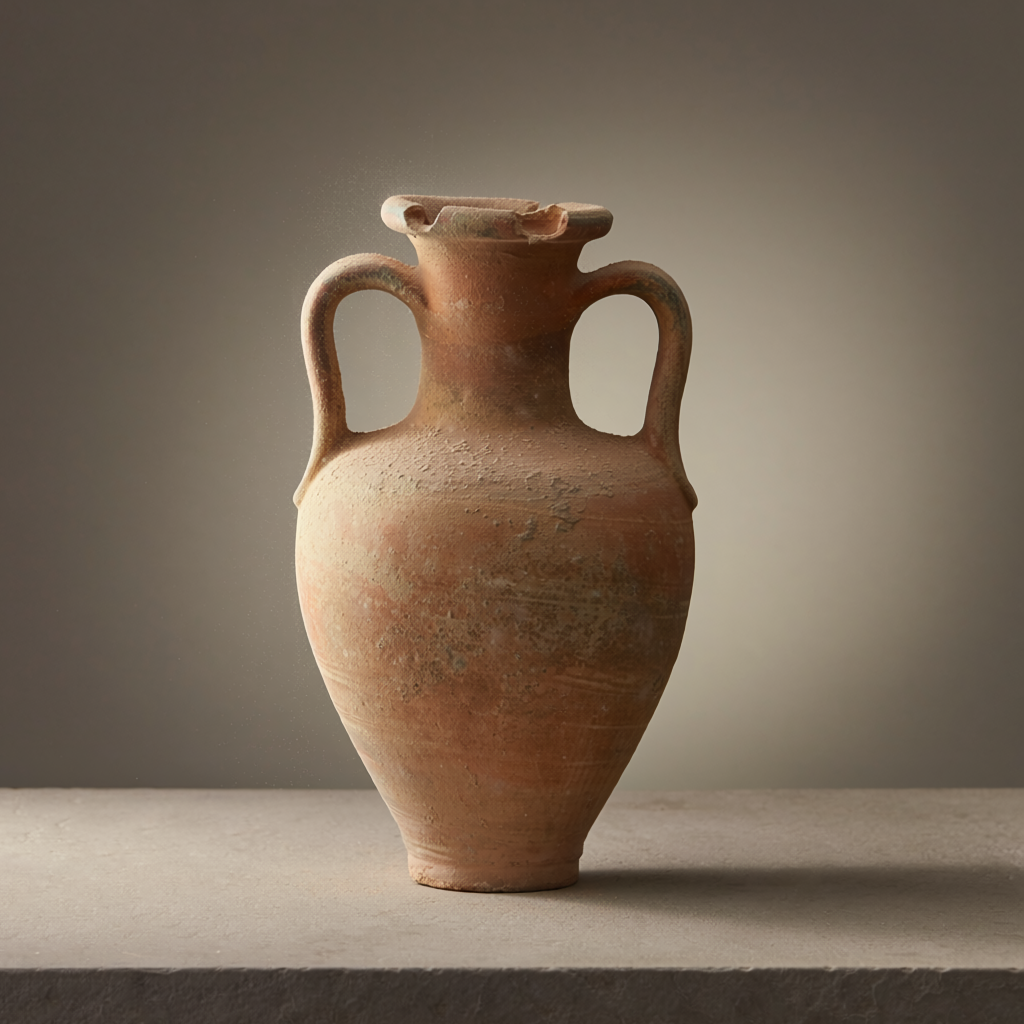
- single object is successful and studio-like
- reflective material and impact are strong
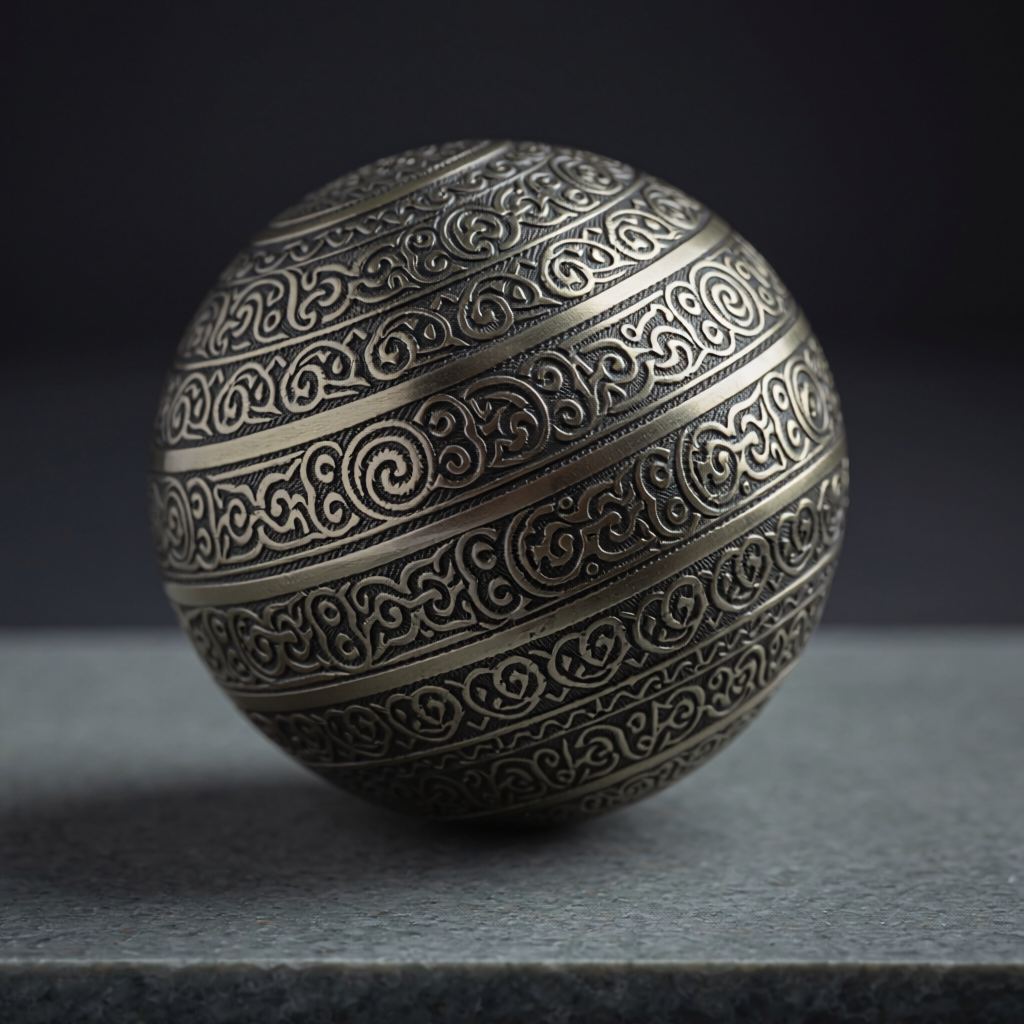
- complex pattern produces a valuable prop-like object
- readable text is fully respected
- fantasy runes are clean and visually coherent
👉 Objects receive care, value, and presentation weight
Why it matters:
- Pros: excellent for props, product shots, symbols, readable text, object studies, graphic assets, and clean design references
- Cons: less convincing when the prompt requires complex living anatomy, deep scene logic, or dramatic interaction
🔹 3. Catalog Realism Bias
The model often defaults to clean, credible, catalog-like realism when asked for people, interiors, groups, or neutral scenes.
Evidence:
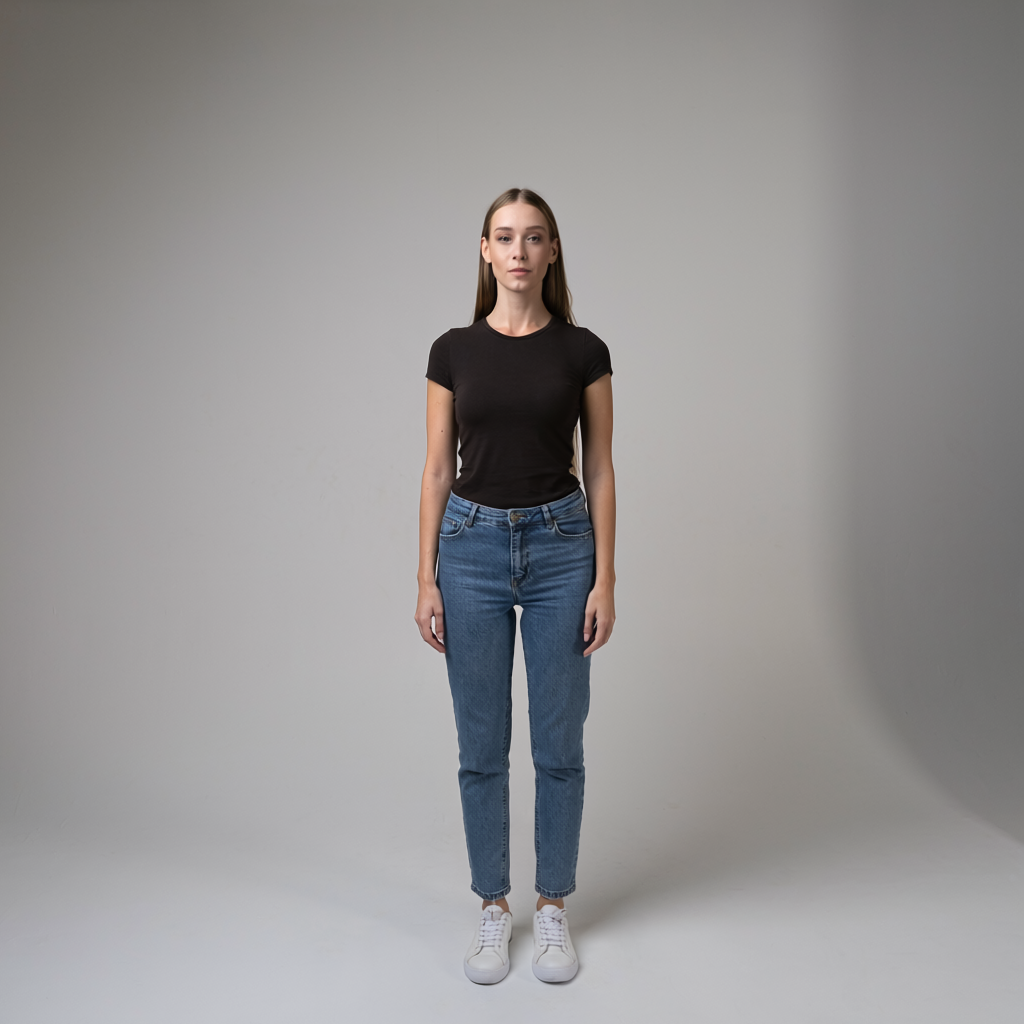
- full body shot is clean and neutral
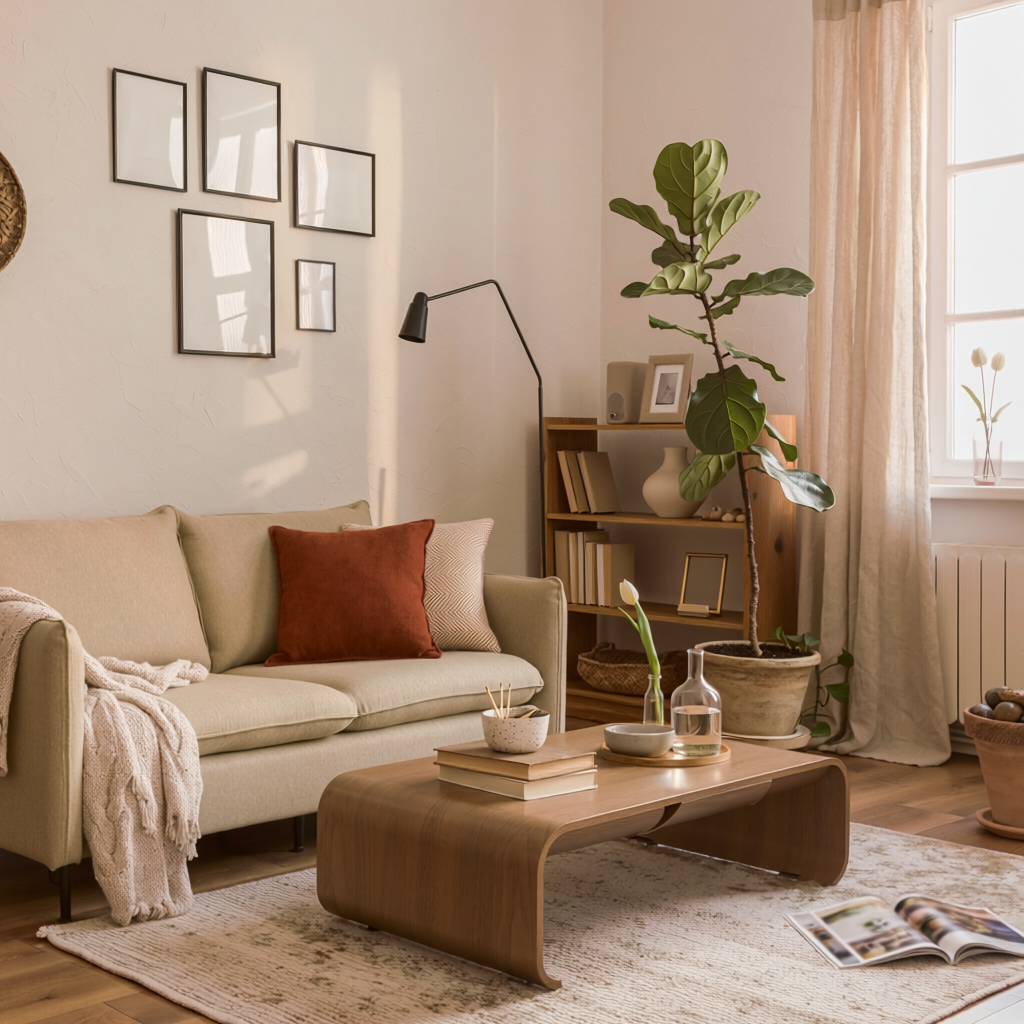
- interior feels like a polished catalog image
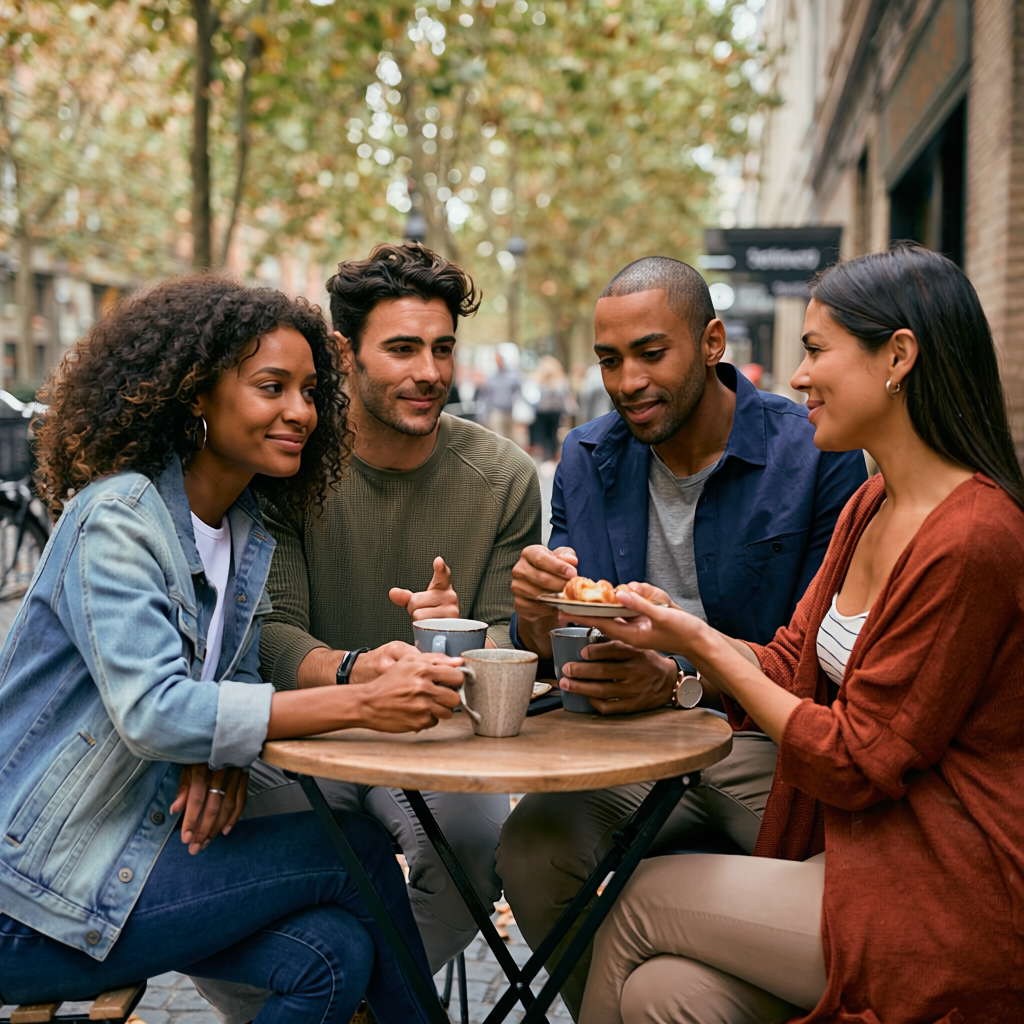
- small group is lively but still very clean
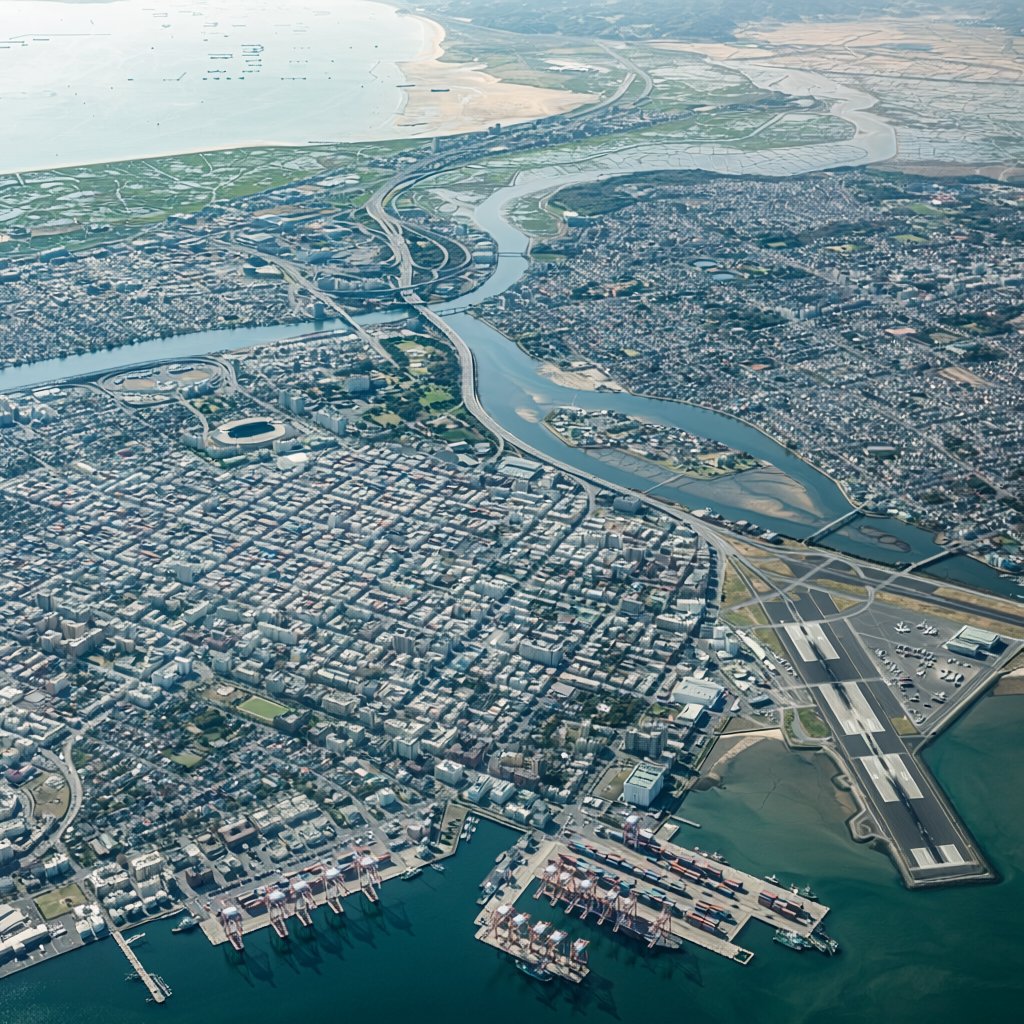
- aerial top-down resembles a credible photograph from a plane
- cityscape and landscape feel photographic and realistic
👉 Reality is presented as clean commercial imagery
Why it matters:
- Pros: good for safe visual communication, clean lifestyle scenes, credible environments, and polished references
- Cons: can lack grit, atmosphere, narrative depth, and distinct personality
🔹 4. Weak Dramatic Staging
The model struggles to create emotional force, danger, awe, or narrative power without strong prompt guidance.
Evidence:
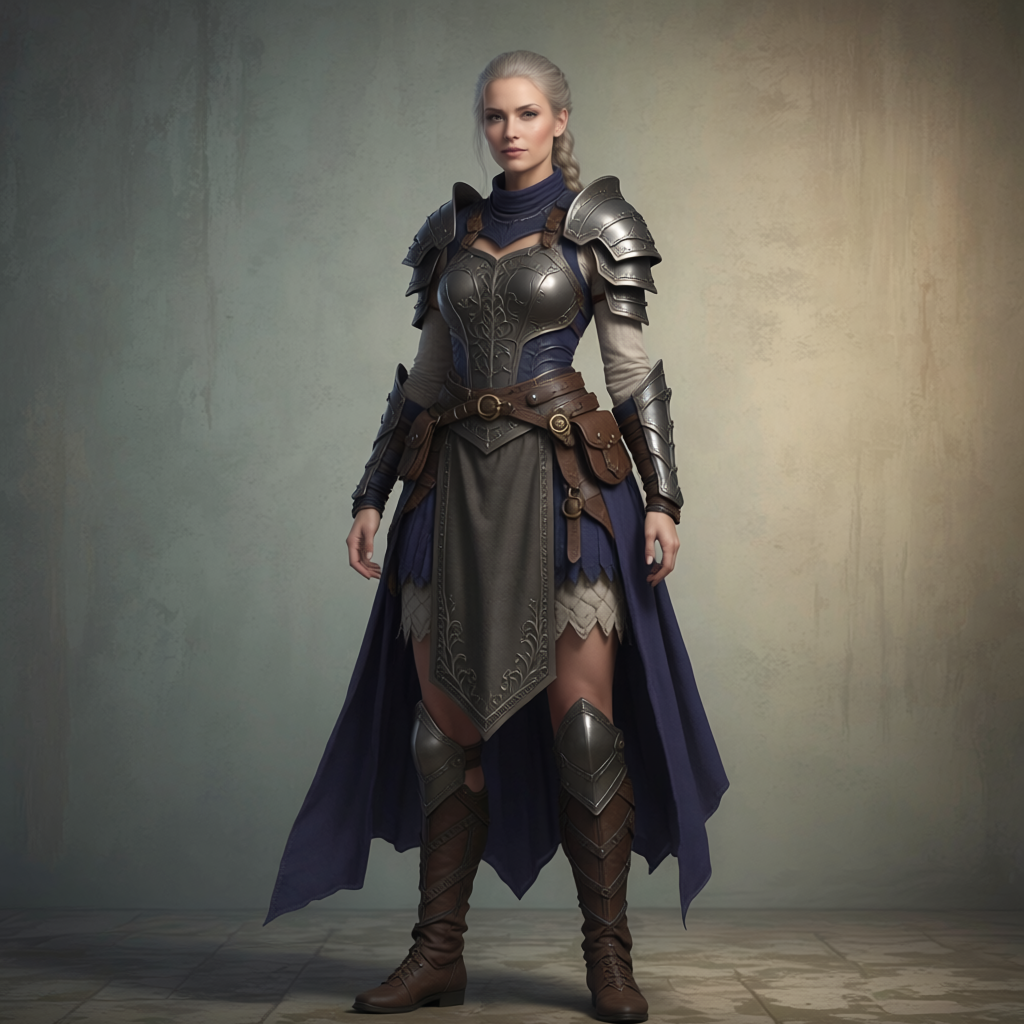
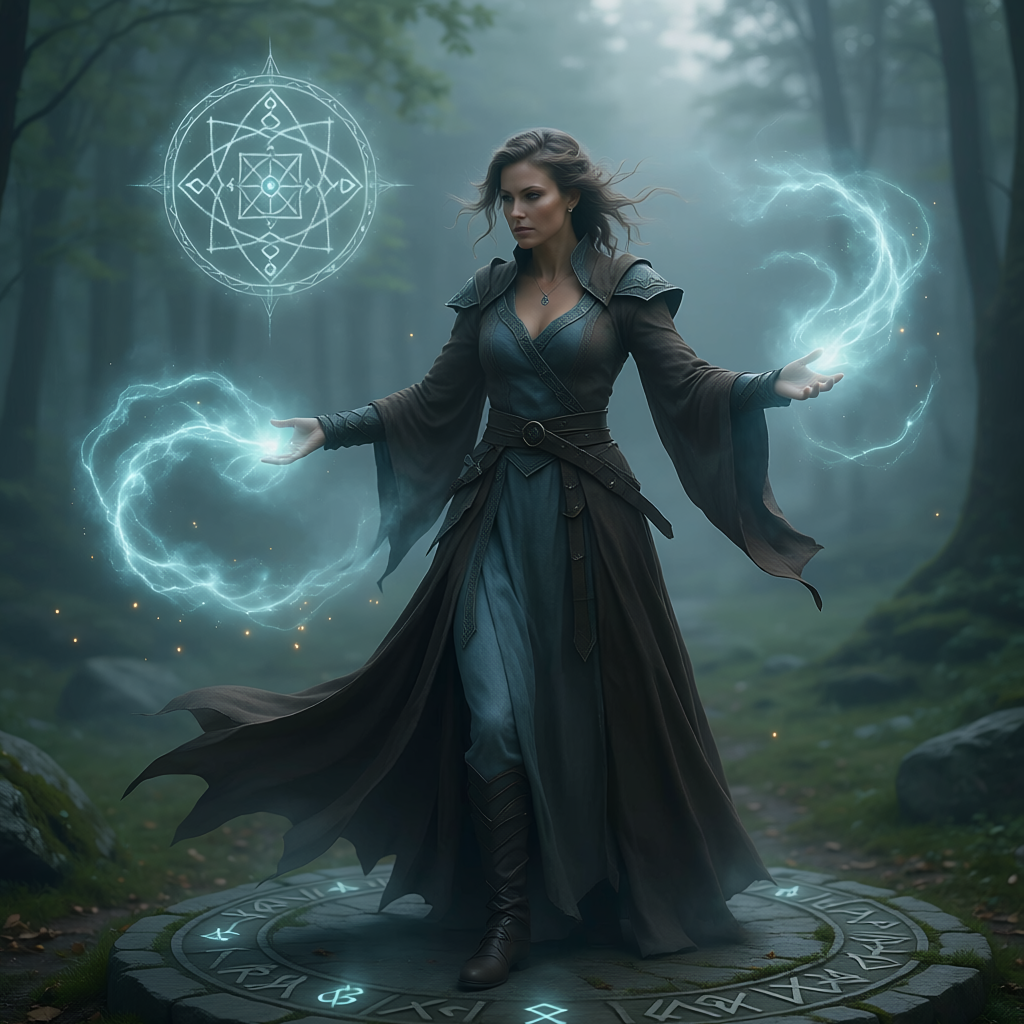
- warrior and mage are acceptable but not powerful or fancy
- dragon reads more like an illustration than an awe-inspiring creature
- narrative discovery turns the hands into props for showing an object
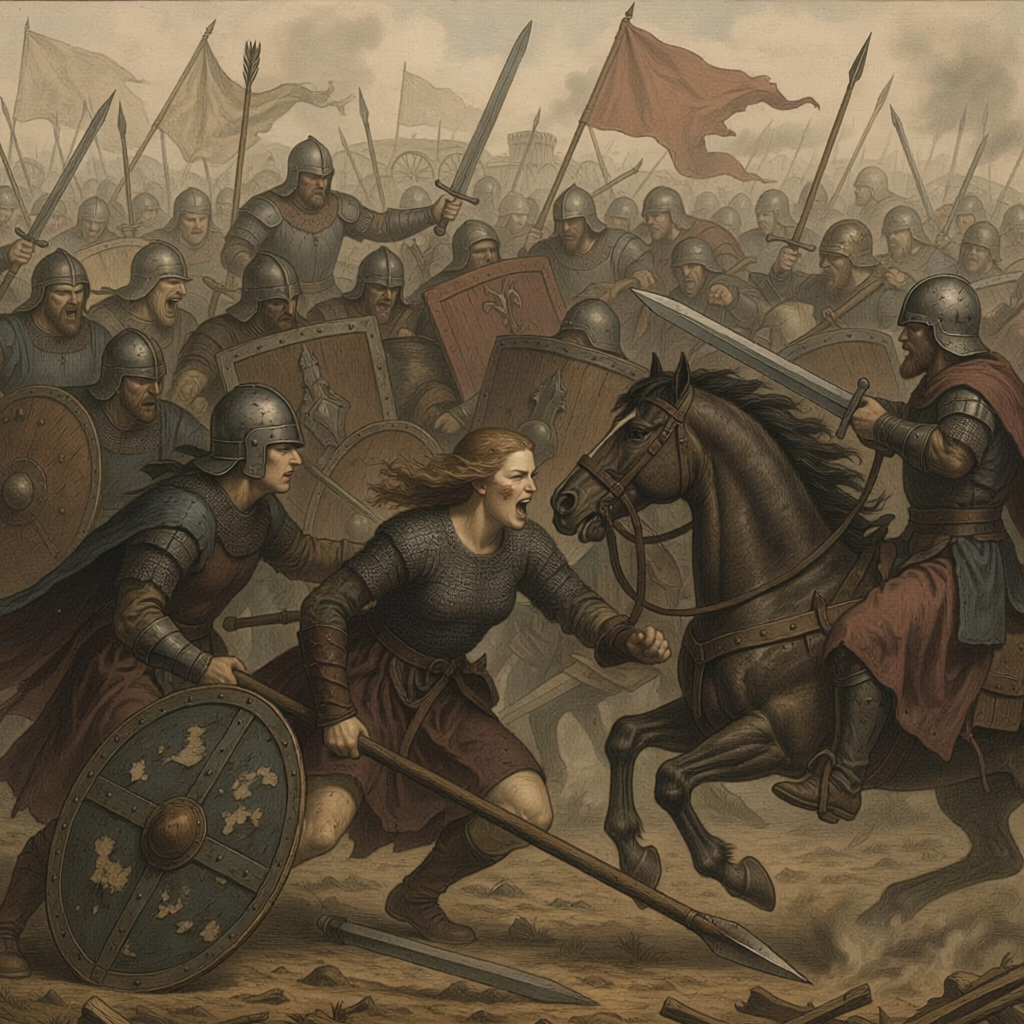
- battlefield chaos becomes illustrative and contains visible generative artifacts
- primordial titan respects scale but feels composited rather than physically integrated
👉 The model represents drama more than it stages drama
Why it matters:
- Pros: avoids excessive chaos and keeps images readable
- Cons: weak for epic fantasy, cinematic storytelling, action, mythic awe, and emotionally charged scenes
🔹 5. Safe Anatomy Handling
The model can produce acceptable humans, but it avoids anatomical risk and struggles when pose, motion, or morphology becomes complex.
Evidence:
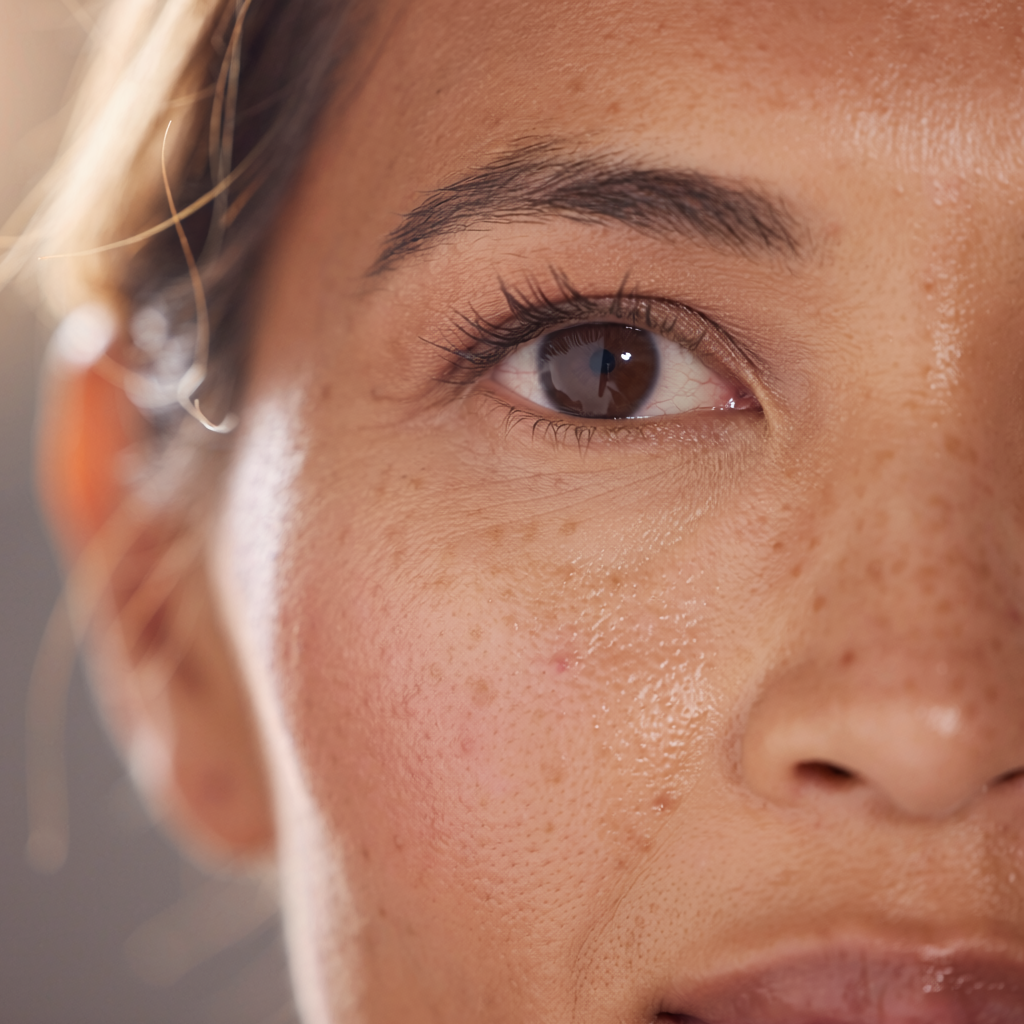
- portrait is successful, with an interesting aesthetic face crop
- full body is neutral and clean
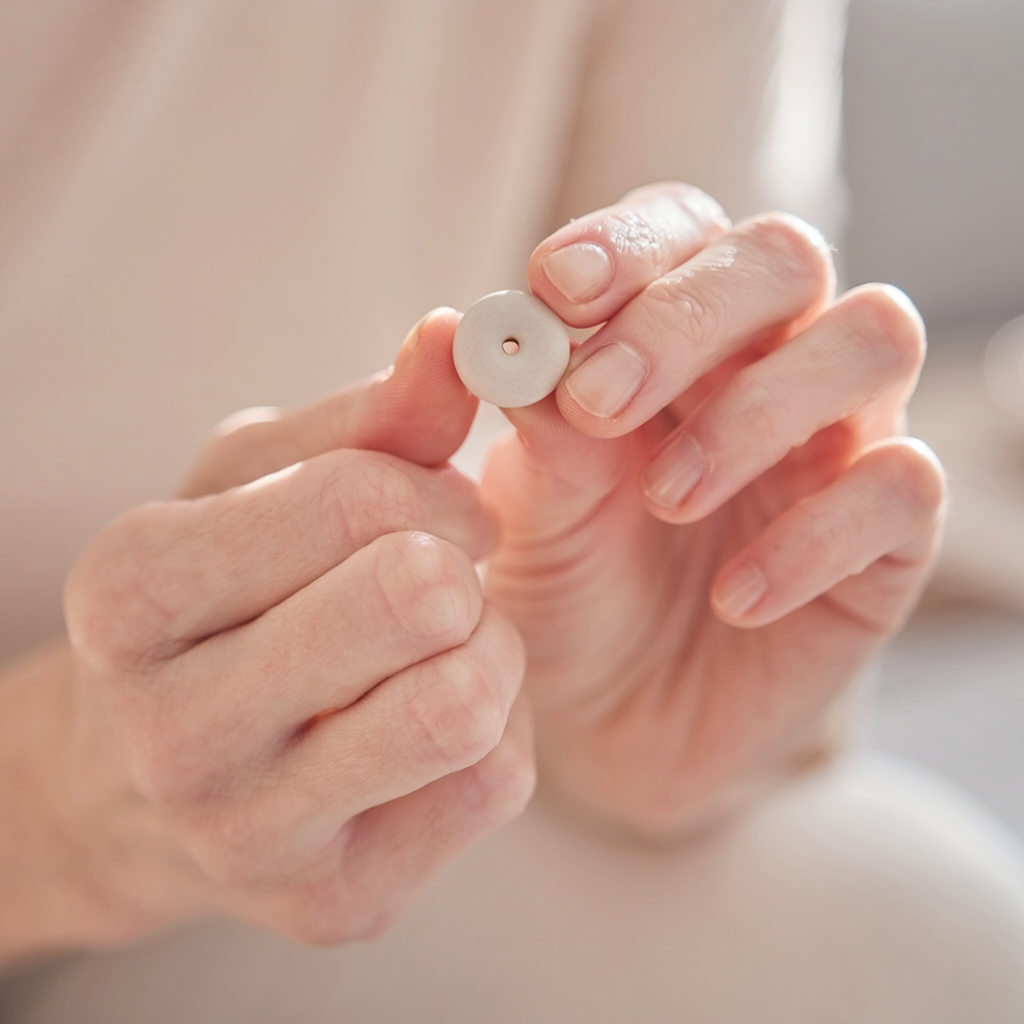
- dynamic motion feels unrealistic and cheap in the pose
- hands feel more like props for an object than a convincing anatomical study
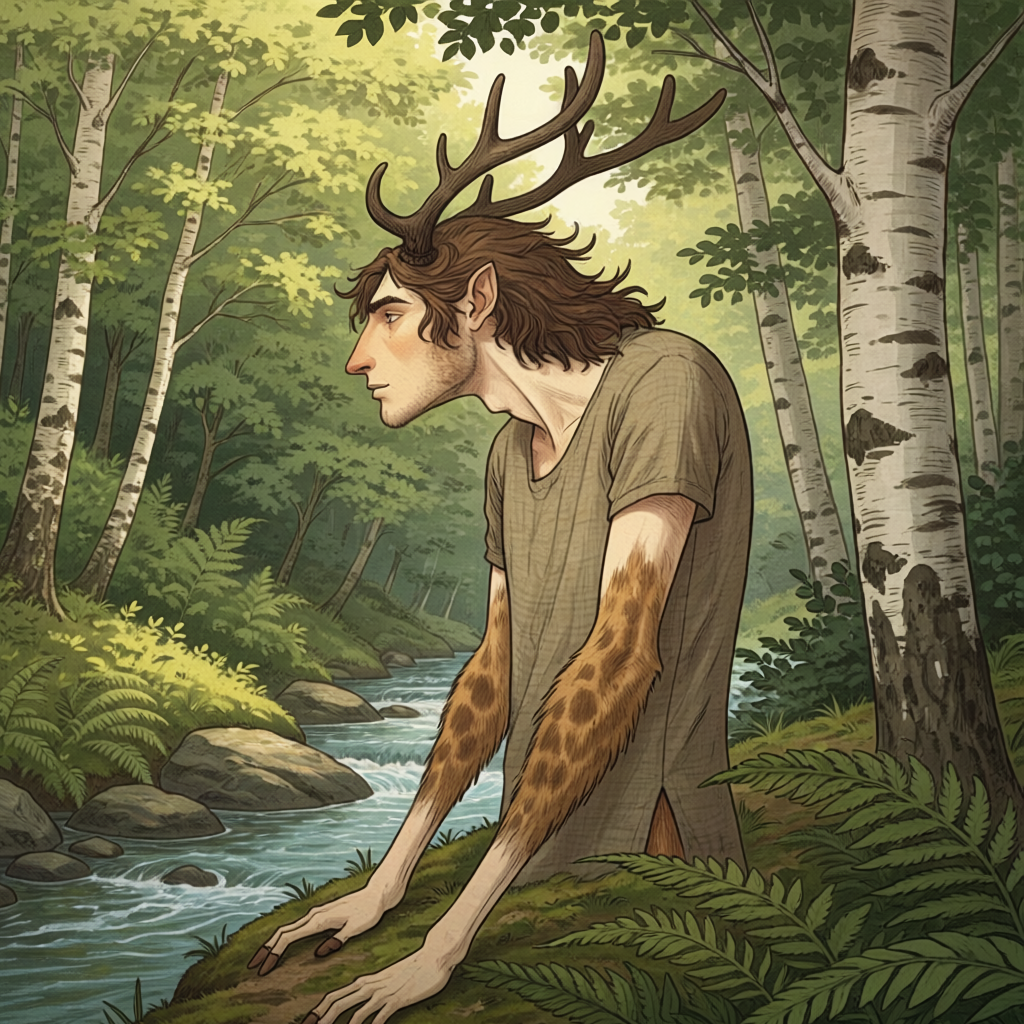
- hybrid is a clear failure, with the body structure collapsing into the ground
👉 The model handles people safely, but complex bodies expose the seams
Why it matters:
- Pros: usable for simple portraits, neutral bodies, and controlled fashion/editorial subjects
- Cons: unreliable for dynamic motion, hands, hybrid anatomy, and physically complex figures
🔹 6. Graphic Design & Symbolic Competence
The model is notably strong when prompts involve layout, symbols, readable text, symmetry, patterns, and abstract visual organization.
Evidence:
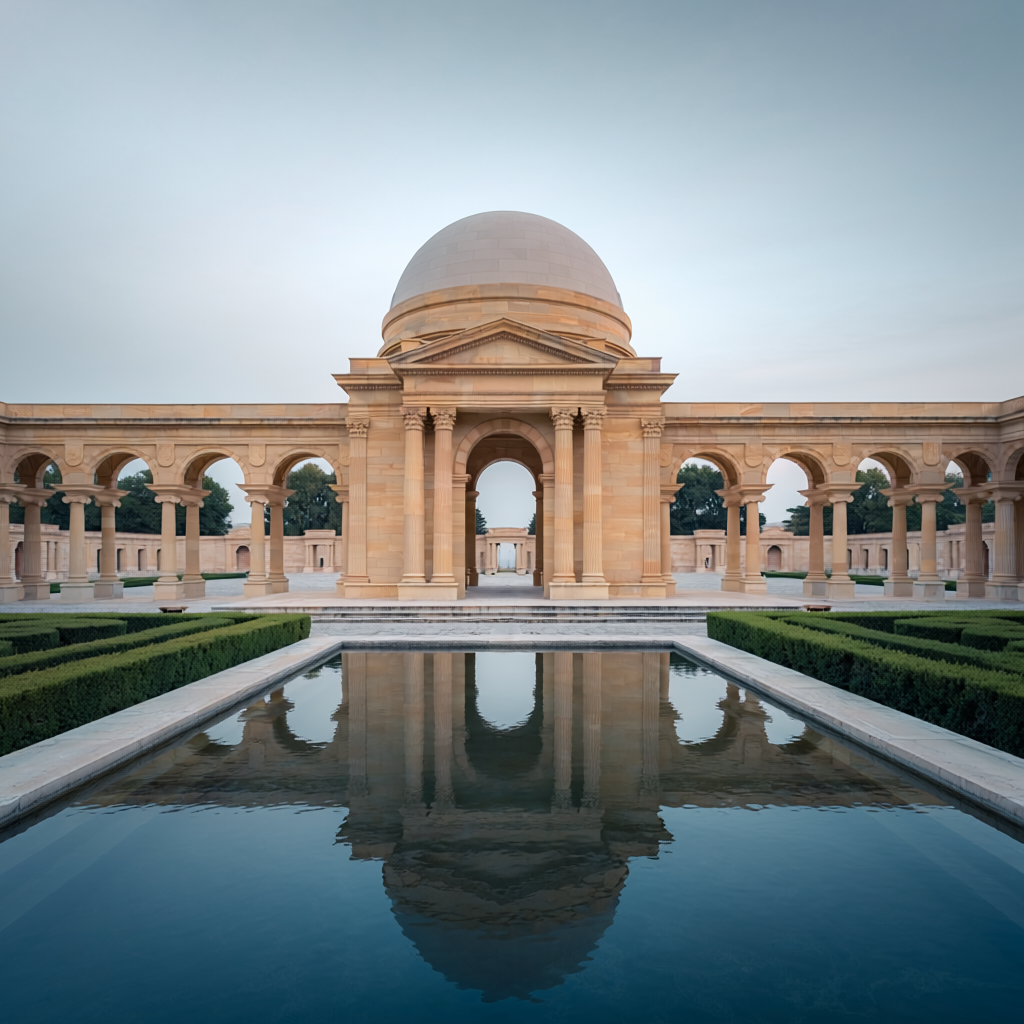
- architectural symmetry is respected and enhanced with water reflection
- complex patterns are clean and consistent
- readable English text is accurate and unmangled
- fantasy runes are clean and atmospheric
- abstract emotion uses shape, light, diagonals, and central pull effectively
👉 The model understands visual design better than cinematic chaos
Why it matters:
- Pros: excellent for signs, posters, patterns, symbolic images, clean magical surfaces, abstract compositions, and graphic-design workflows
- Cons: may over-clean scenes that should feel raw, lived-in, or narratively messy
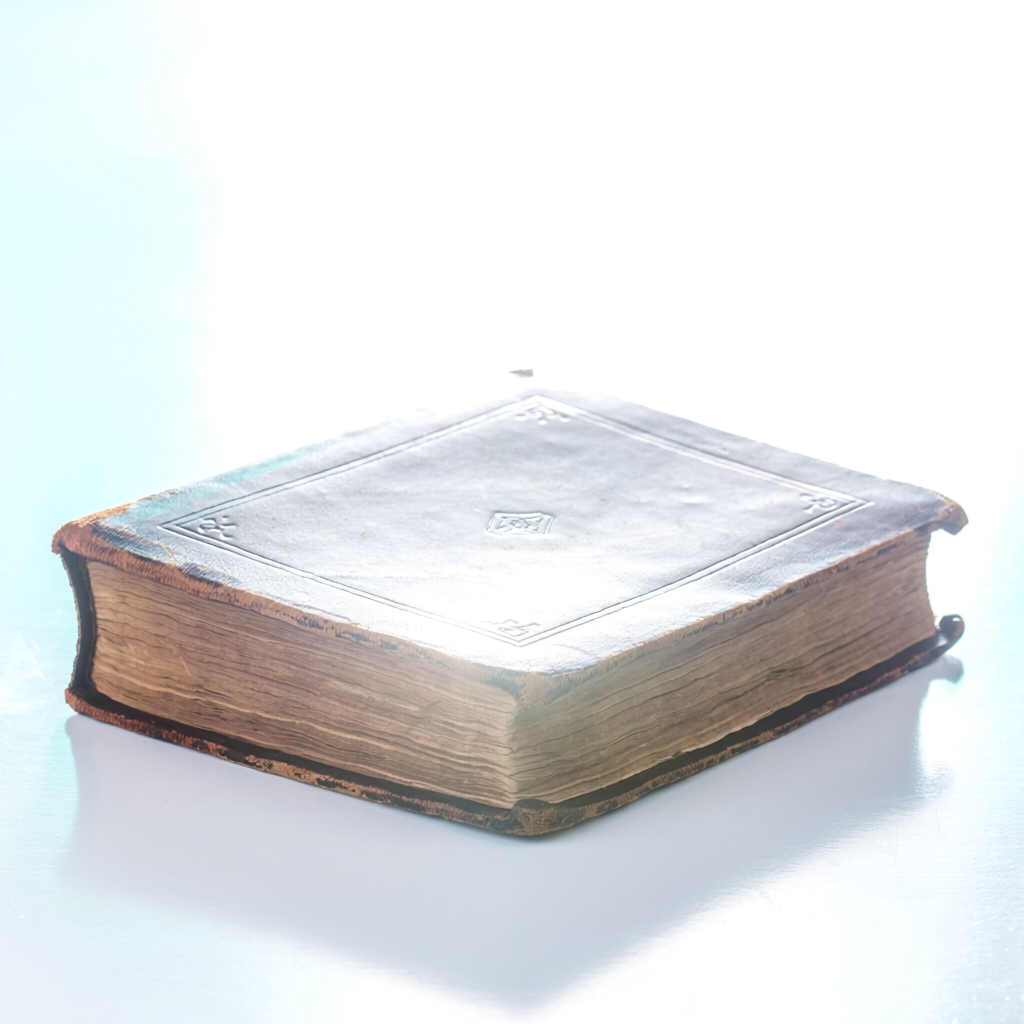
🔹 7. Controlled Atmosphere Over Immersion
The model can produce atmospheric prompts successfully, but usually as clear visual treatments rather than fully immersive systems.
Evidence:
- volumetric fog is one of the stronger outputs
- neon cyberpunk has the expected vibe, though not the strongest execution
- low-key and overexposed scenes function clearly
- lighting prompts often choose objects or scenery instead of people
- atmosphere remains readable and controlled rather than overwhelming
👉 Atmosphere is applied with taste, not unleashed
Why it matters:
- Pros: good for clean fog, lighting moods, polished scene treatments, and readable atmospheric categories
- Cons: weaker for deeply cinematic lighting systems, complex color interaction, and immersive environmental mood
🔹 8. Strong Simple Environments, Weak Extreme Scale
The model handles believable landscapes, cityscapes, interiors, and photographic viewpoints well, but struggles when scale becomes mythic or physically paradoxical.
Evidence:
- landscape feels photographic and successful
- cityscape is credible and taken at an interesting angle
- interior is sleek, clean, and believable
- aerial view is realistic, slightly angled, and plane-like
- primordial titan respects size but feels pasted into the landscape
👉 The model can photograph a world, but struggles to make impossible scale feel real
Why it matters:
- Pros: good for believable environments, clean interiors, realistic landscapes, and city views
- Cons: weak for colossal beings, impossible architecture, surreal scale, and world-integrated fantasy spectacle
🔹 9. Prompt Average Behavior
When prompts are broad, the model often produces the safest or most conventional representative image of the category.
Evidence:
- warrior and mage satisfy the labels but lack distinct identity
- cityscape is credible but generic
- interior is polished but not story-rich
- battlefield becomes a conventional fantasy illustration
- many outputs feel like the cleanest default answer to the prompt
👉 The model finds the safe center of the prompt
Why it matters:
- Pros: produces usable, stable, non-chaotic results
- Cons: requires stronger direction when the goal is originality, mood, design ambition, or narrative specificity
🔹 10. Fashion & Editorial Surprise Zone
The model shows unexpected strength when the prompt gives it a fashionable subject, fabric, lighting, and pose.
Evidence:
- fashion editorial has strong color, fabric, pose, lighting, and character choice
- the image has more depth and thickness than many other human-centered outputs
- the model appears more confident when the human subject is framed through styling and presentation
👉 When the person becomes a designed image, Firefly wakes up
Why it matters:
- Pros: promising for fashion, editorial staging, fabric, clean pose work, and styled human subjects
- Cons: this strength does not automatically transfer to action, story, anatomy, or emotional drama
🔹 11. Moderate Determinism, Limited Adventure
The model produces stable, polished, predictable outputs, but rarely surprises through composition, interpretation, or visual risk.
Evidence:
- outputs remain clean across categories
- chaos is softened into illustration or controlled design
- mythic prompts are fulfilled but not elevated
- object and design prompts outperform story and anatomy prompts
👉 The model is dependable, but not adventurous
Why it matters:
- Pros: useful for repeatable workflows and clean visual production
- Cons: less suitable as a first choice for highly cinematic, emotionally charged, mythic, or complex narrative images
Hero Shot Workflow Note
Firefly 5 can produce strong portfolio-worthy images when prompted toward its strengths, but the best results often emerge through selection and post-processing rather than from a single raw generation.
The model tends to create clean, polished, commercially usable base images. These can feel slightly safe or restrained at first, but they often contain strong material, pose, composition, and lighting foundations. With targeted post-processing, especially contrast, exposure, saturation, and color-curve adjustments, a promising Firefly output can be pushed into a much stronger final hero image.
👉 Key lesson: Firefly is excellent at producing refined raw material for design-oriented post-production workflows.