Table of Contents
Runway Gen-4
a careful scene builder that stabilizes every idea, shaping it into something readable, cinematic, and controlled, even when chaos is requested
General
Runway Gen-4 prioritizes subject clarity, cinematic readability, and controlled visual balance over structural composition or expressive extremes.
It exhibits strong subject anchoring, with environments added as secondary layers rather than fully designed spaces.
The model interprets scenes additively, building outward from the subject instead of organizing a global composition.
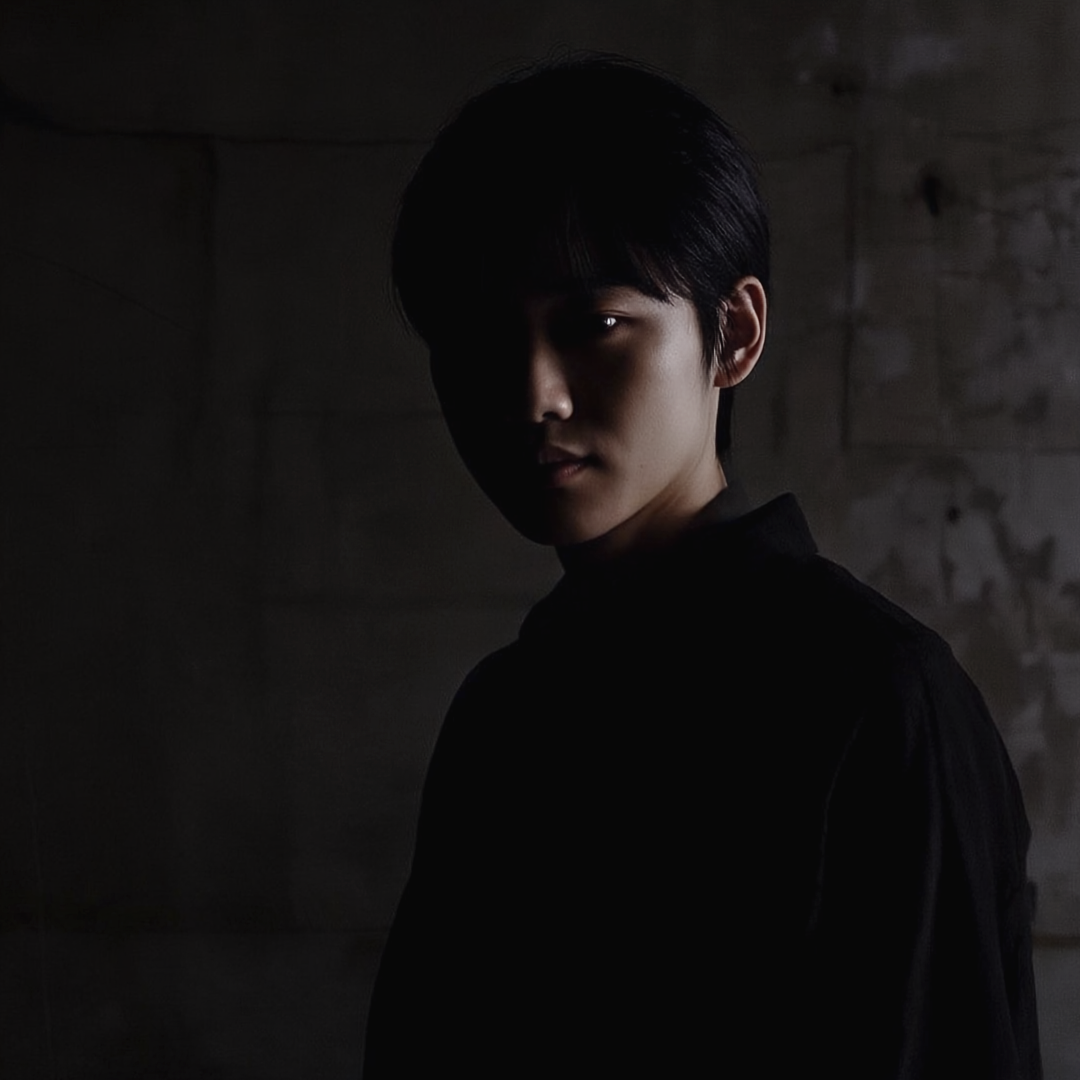
Lighting is expressive but restrained, often leaning toward soft cinematic aesthetics rather than extreme contrast or darkness.
Outputs are stable and visually pleasing, but resistant to true chaos, strong structural layouts, or aggressive artistic deviation.
Main DNA Traits
🧬 Subject Dominance
The subject remains the visual anchor of the image, with all elements organized around it regardless of scene complexity.
The subject leads, the world follows
🧬 Additive Composition
Scenes are constructed by layering elements around the subject rather than through intentional spatial design.
🧬 Stabilized Complexity
The model maintains clarity and readability as complexity increases, avoiding visual overload or collapse.
Strengths
- perfect for:
- cinematic object shots
- atmospheric compositions
- visually balanced scenes
- you always get:
- clear subject focus
- readable environments
- aesthetically pleasing outputs
Atlas
Core
| Null | Guided |
|---|---|
 |  |
Styles
| Fantasy | Cinematographic | Hyper Realistic | Sylized Illustration |
|---|---|---|---|
 |  |  |  |
| Painterly | Bright Whimsical | Graphic / Design | Technical / Scan-like |
 |  |  |  |
Light
| Soft Natural | High Contrast | Volumetric Fog | Neon |
|---|---|---|---|
 |  |  |  |
| Low key / dark / Moody | Overexposed / bright | Directional Spotlight | Warm & Cool |
 |  |  |  |
Environment Complexity
| Structured | Multi-Ojbect | Dense Environment | Controlled Clutter |
|---|---|---|---|
 |  |  |  |
| Chaotic | Chaos Control | ||
 |  |
Batches were run in april 2026.
Human Anatomy
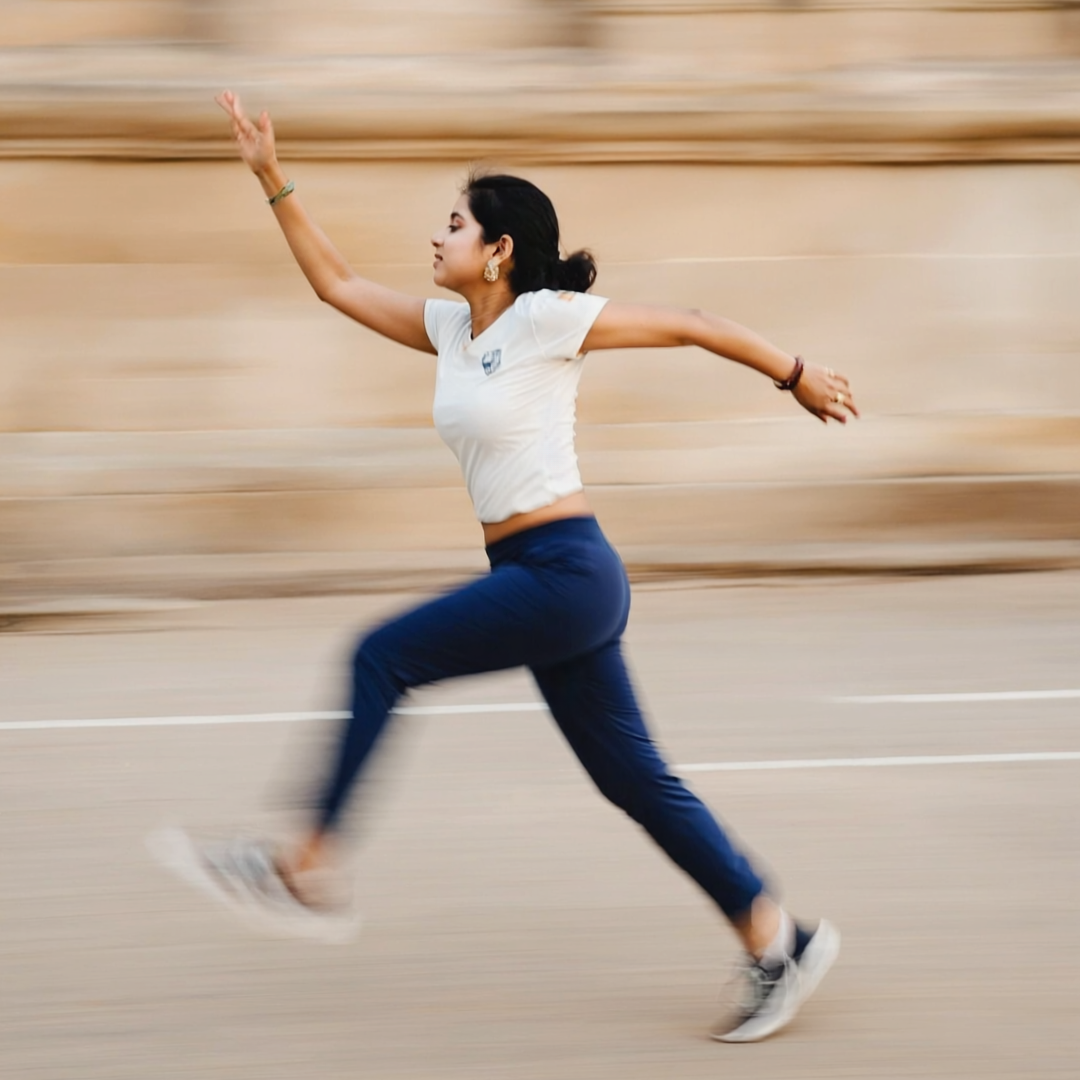
| Portrait | Full Body | Dynamic Motion | Close-Up |
|---|---|---|---|
 |  |  |  |
Mythic
| Warrior | Mage | Dragon | Hybrid |
|---|---|---|---|
 |  |  |  |
Environment
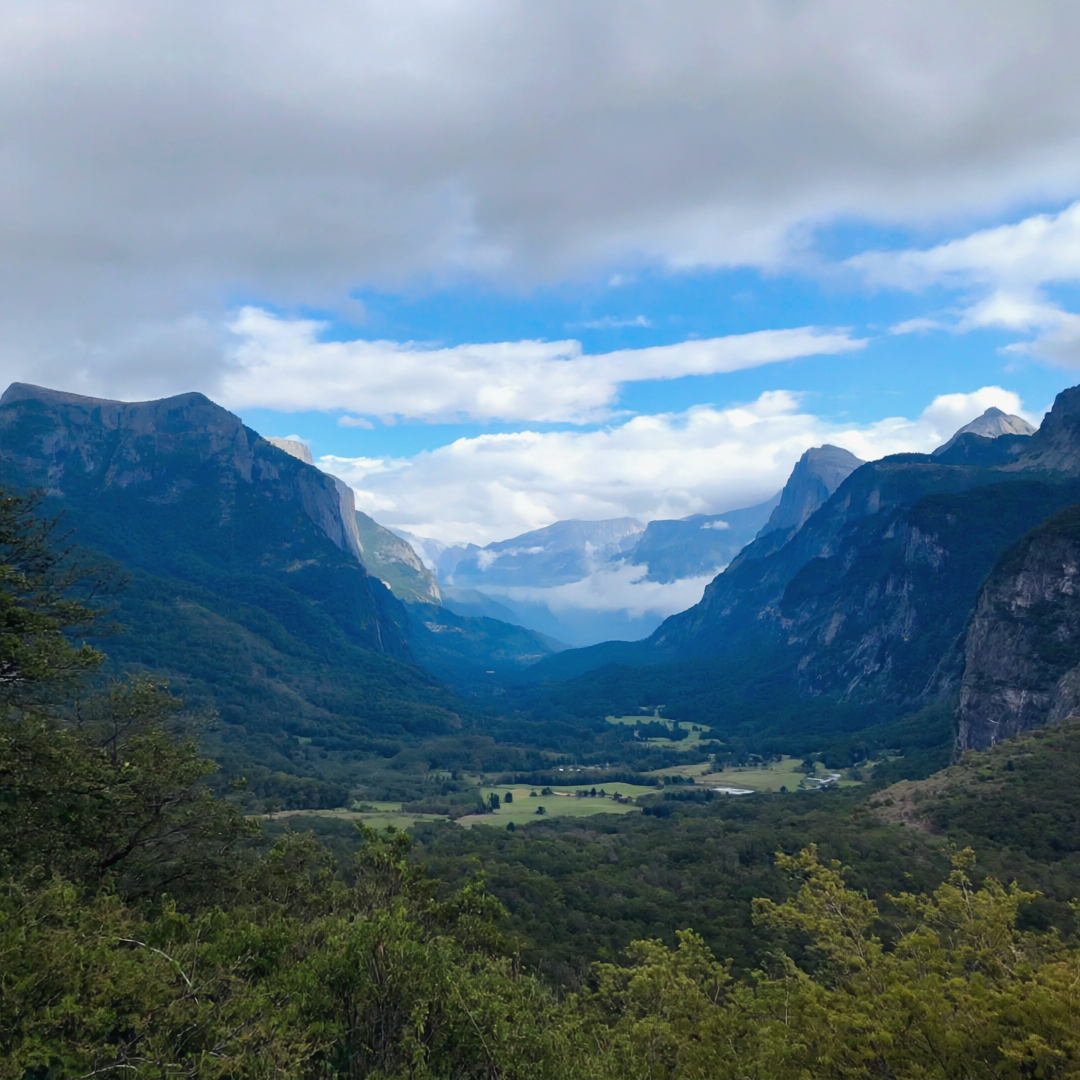
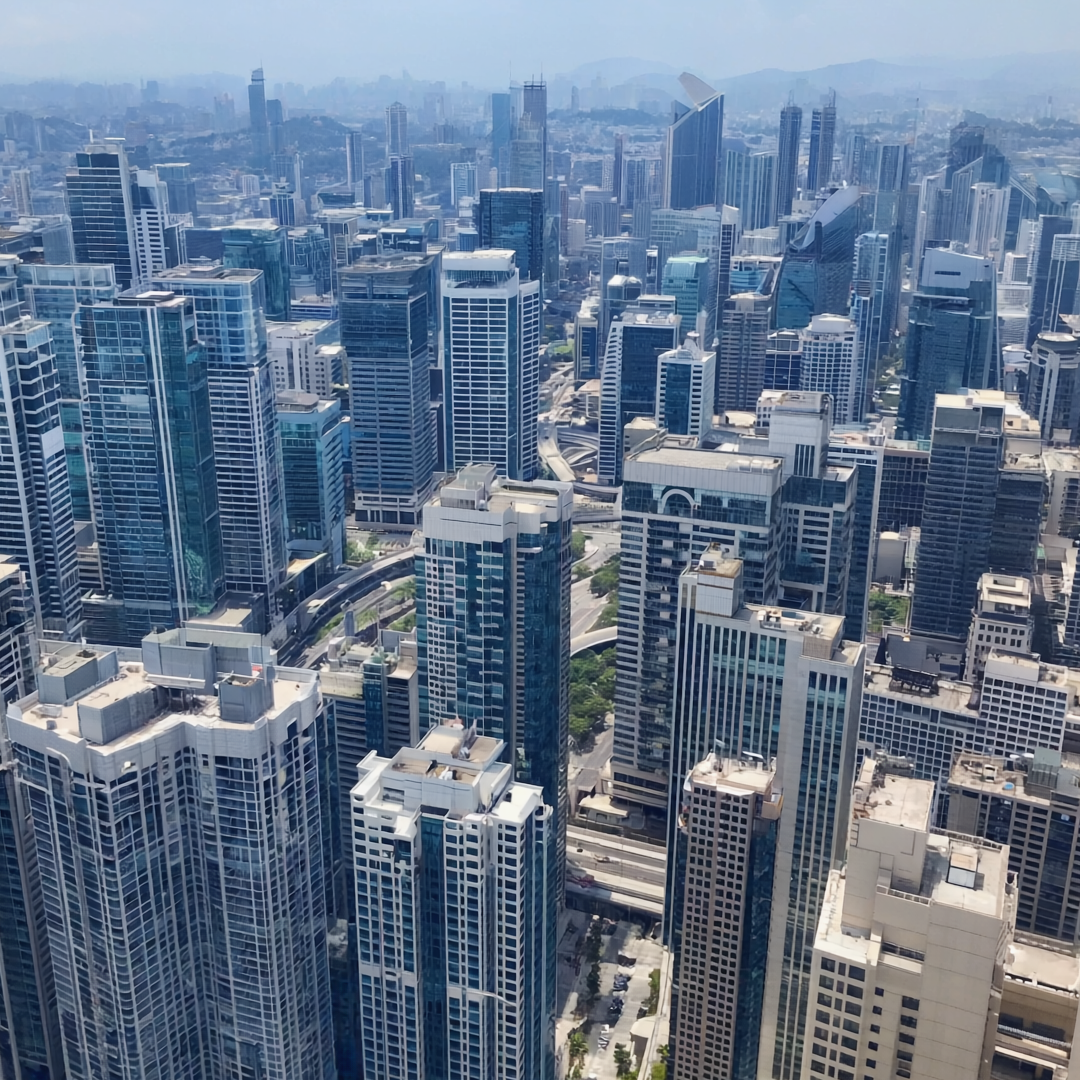
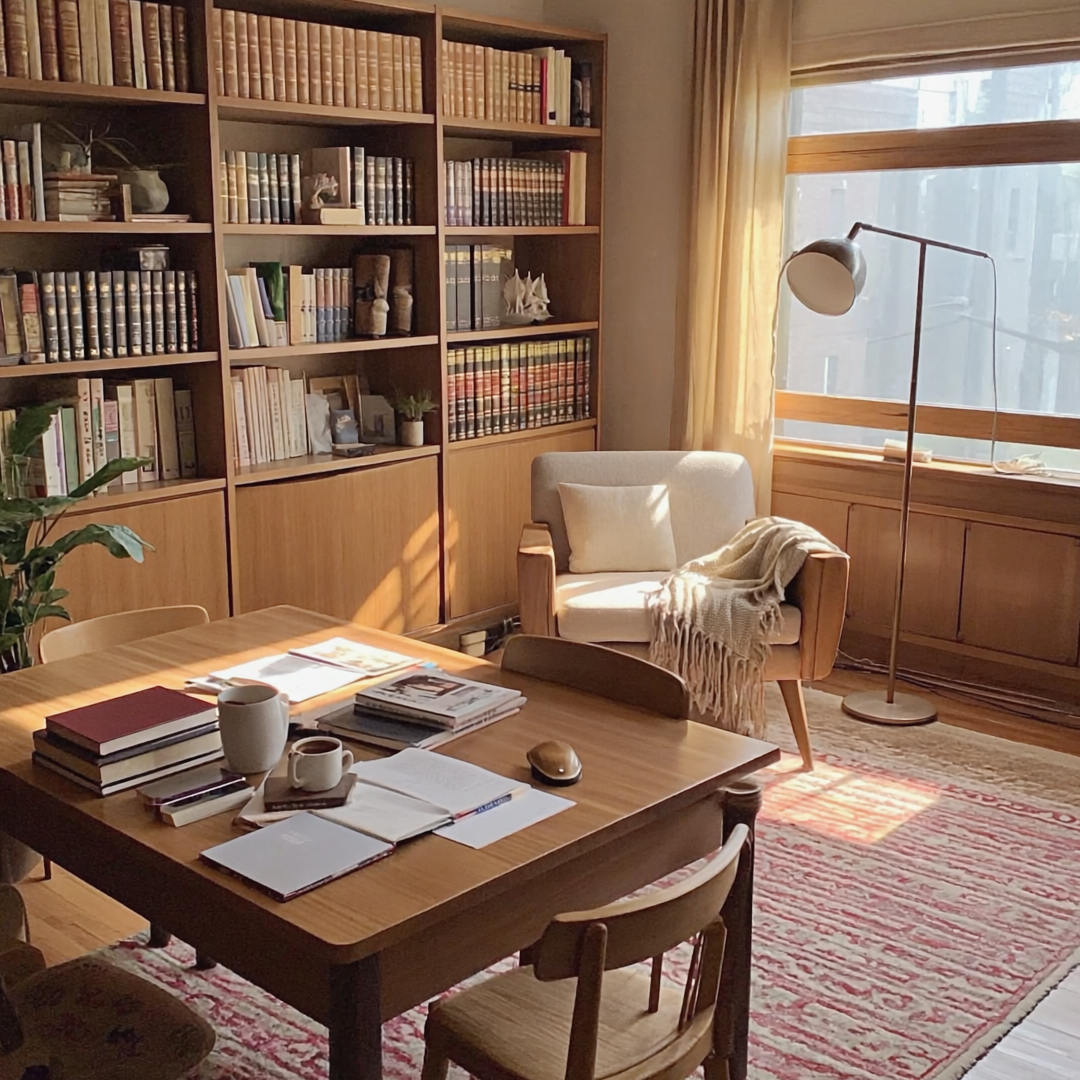
| Landscape | Cityscape | Interior | Primordial Titan |
|---|---|---|---|
 |  |  |  |
Storytelling
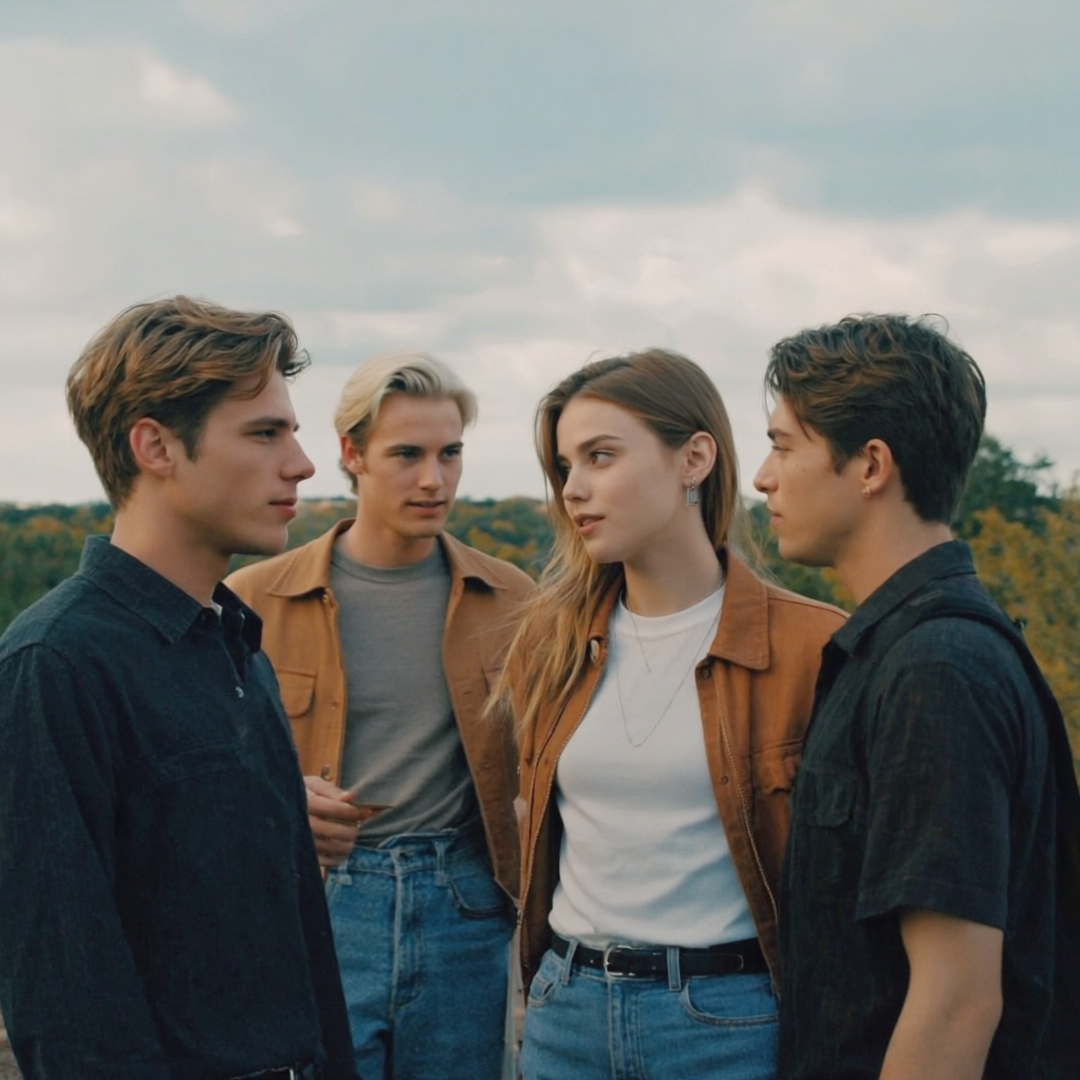
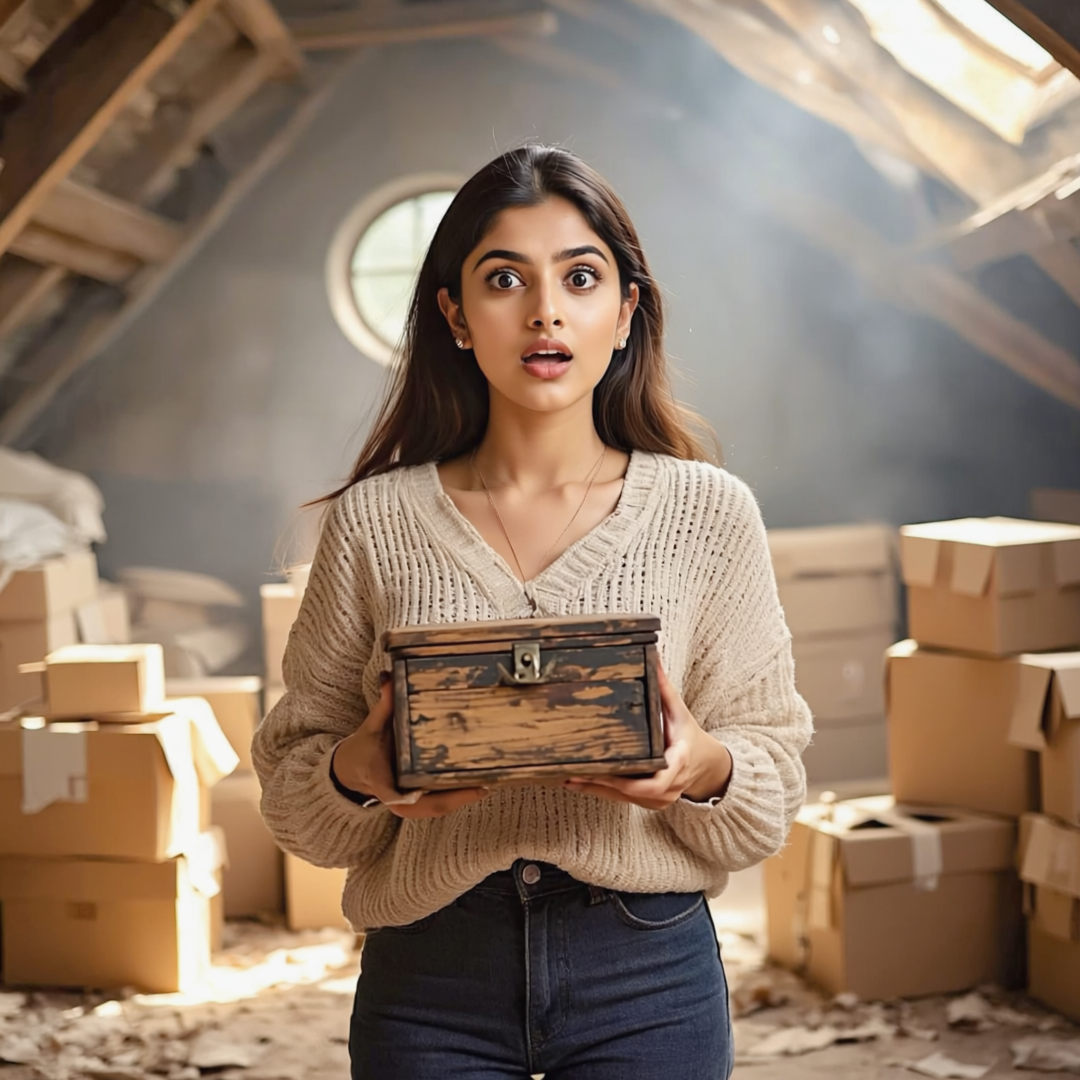
| Single Object | Small Group | Narrative Discovery | Battlefield Chaos |
|---|---|---|---|
 |  |  |  |
Lighting & Atmosphere
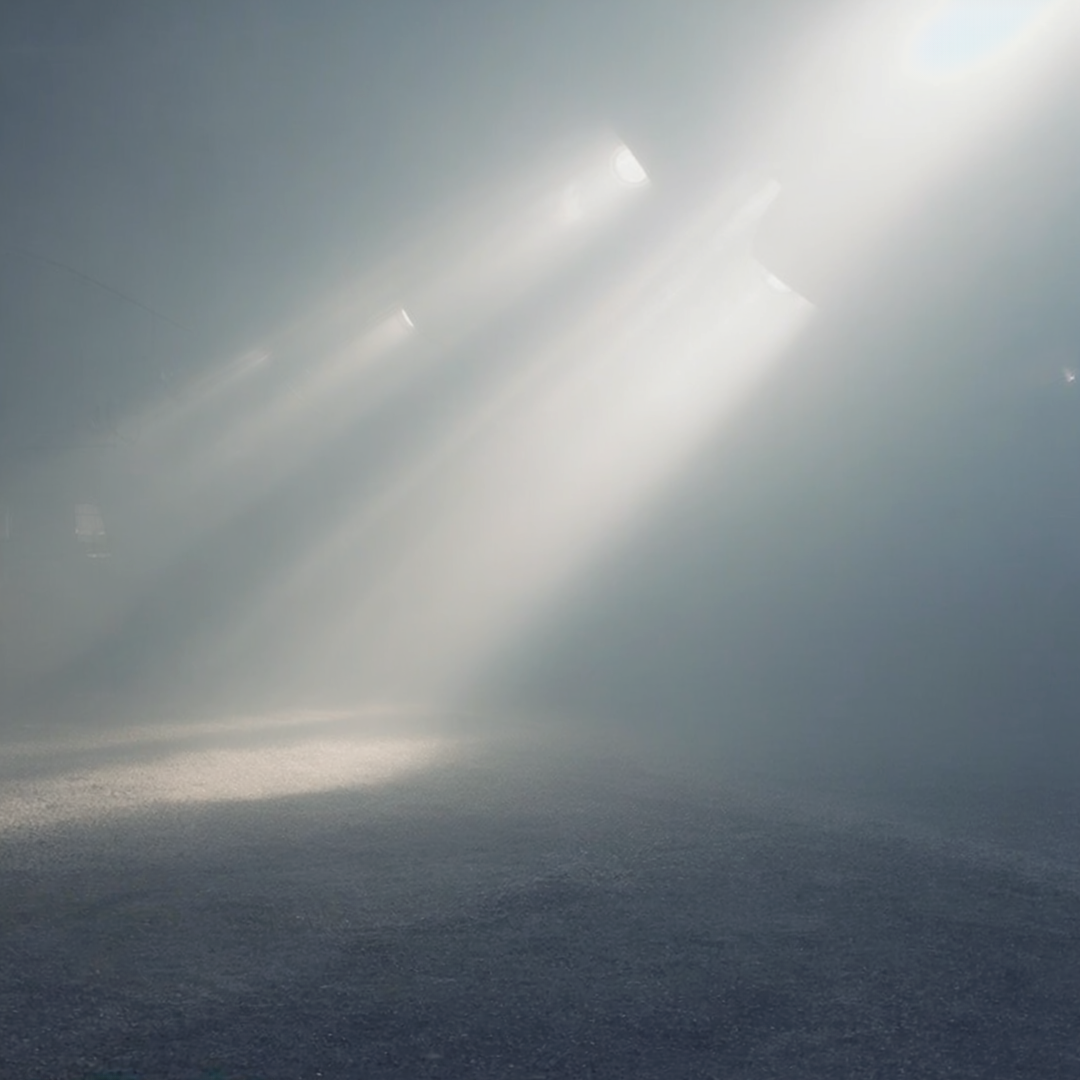
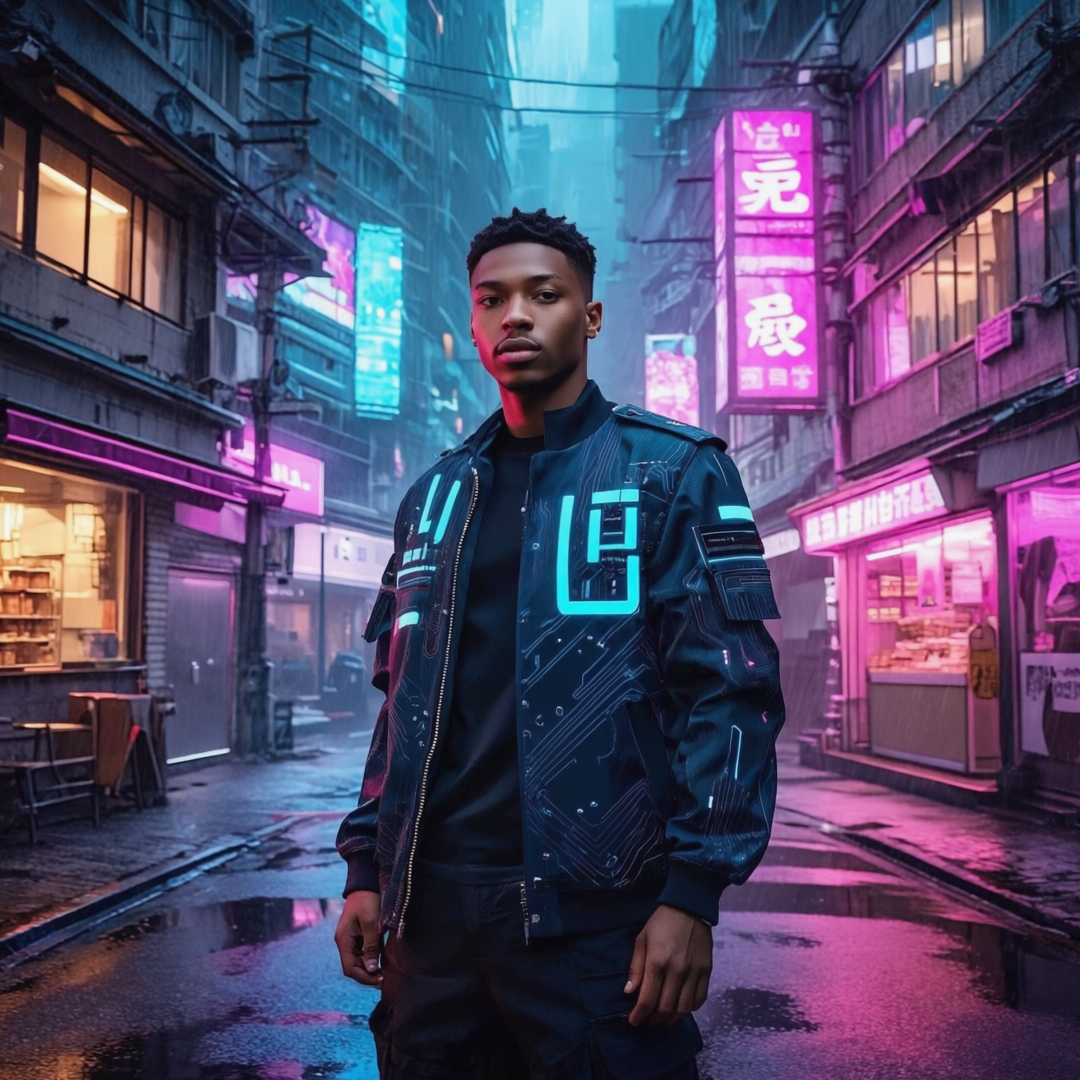
| Volumetric Fog | Neon Cyberpunk | Low-Key Moody | Overexposed Washed |
|---|---|---|---|
 |  |  |  |
Materials & Physics
| Water Splash | Smoke & Fire | Reflective Material | Impact |
|---|---|---|---|
 |  |  |  |
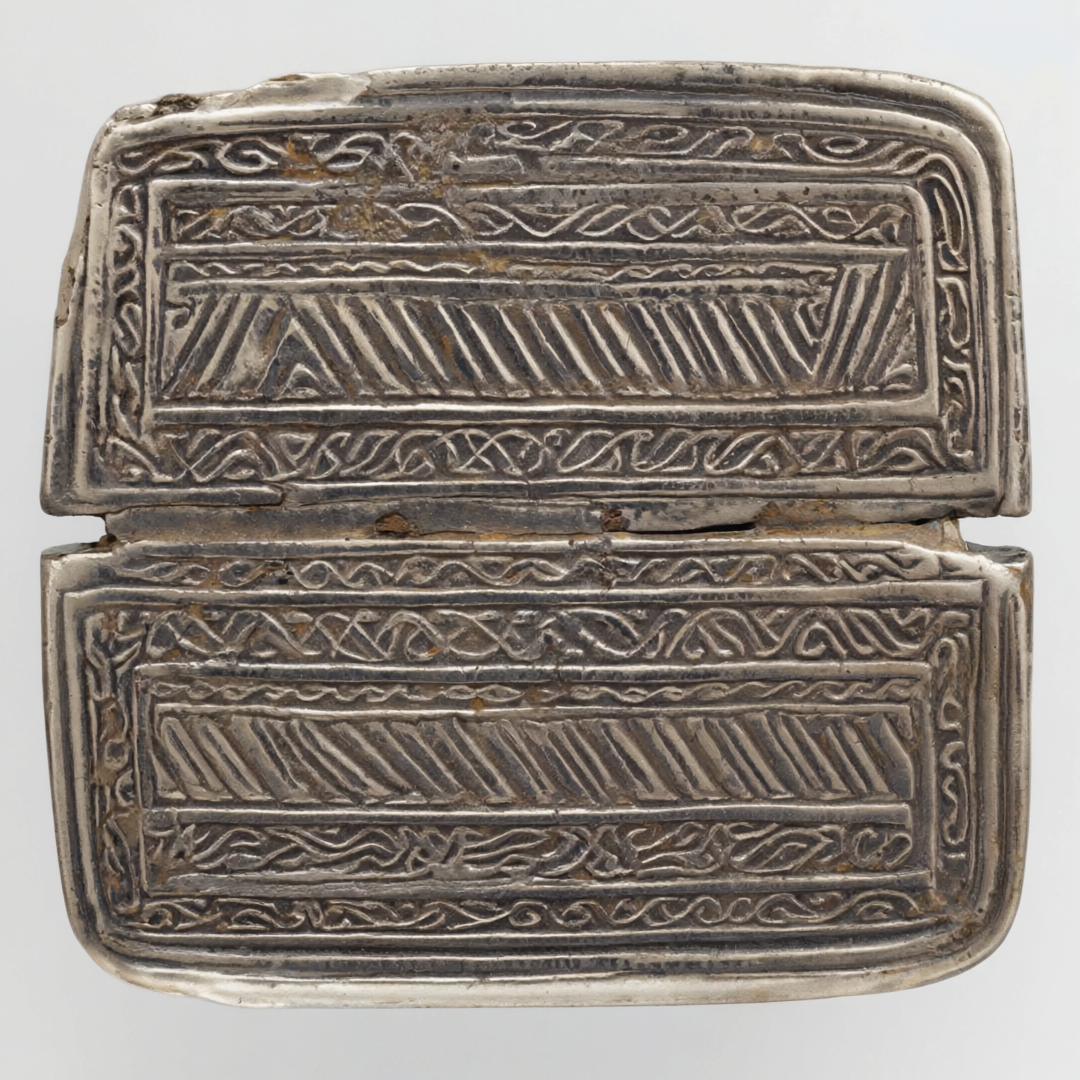
Structure & Symbols
| Perfect Symmetry | Complex Patterns | Readable Text | Fantasy Runes |
|---|---|---|---|
 |  |  |  |
Extended Probes
| Macro Photography | Aerial Top-Down | Fashion Editorial | Abstract Emotion |
|---|---|---|---|
 |  |  |  |
Batches were run in may 2026.
Expanded DNA
🔹 1. Subject-First Composition Engine
The model builds every scene around a dominant subject.
Evidence:
- subject always visually centered or prioritized
- environment adapts to subject presence
- no scene overtakes the subject
👉 Everything orbits the subject
Why it matters:
- Pros: strong readability and focus
- Cons: limits environmental storytelling
🔹 2. Additive Scene Construction
Scenes are formed by progressively adding elements rather than designing structure.
Evidence:
- objects appear around the subject
- no strong global layout or composition logic
- spatial relationships feel local, not architectural
👉 The scene grows, it is not planned
🔹 3. Weak Structural Intent
The model struggles to enforce deliberate layout or structured composition.
Evidence:
- “structured” prompts produce loose arrangements
- objects lack intentional placement
- compositions feel natural rather than designed
👉 Order is suggested, not enforced
🔹 4. Stabilized Complexity Handling
The model maintains clarity even in dense or multi-object scenes.
Evidence:
- dense scenes remain readable
- no visual clutter collapse
- hierarchy remains soft but intact
👉 Complexity is absorbed, not amplified
🔹 5. Chaos Normalization
The model reduces chaotic prompts into controlled, simplified outputs.
Evidence:
- chaos becomes scattered debris or fragments
- lack of intentional disorder
- chaotic and controlled chaos produce similar results
👉 Chaos is translated into noise, not structure
Why it matters:
- Pros: avoids unusable outputs
- Cons: limits expressive or dynamic compositions
🔹 6. Object Identity Degradation Under Chaos
Object clarity decreases as scene disorder increases.
Evidence:
- objects lose definition in chaotic scenes
- shapes simplify into generic fragments
- identity becomes secondary to visual coherence
👉 Clarity is sacrificed to preserve stability
🔹 7. Local Coherence Over Global Design
The model maintains small-scale consistency but lacks large-scale compositional planning.
Evidence:
- clusters of objects make sense locally
- overall scene lacks strong structure
- no clear compositional flow
👉 Details are coherent, the whole is approximate
🔹 8. Lighting Stabilization Bias
Lighting tends toward balanced, cinematic readability rather than extreme moods.
Evidence:
- low-key remains partially lit
- high contrast is softened
- directional light is diffused
👉 Lighting is expressive, but restrained
🔹 9. Balance Enforcement Mechanism
The model consistently pulls outputs toward visual equilibrium.
Evidence:
- avoids extreme darkness or brightness
- avoids true chaos or disorder
- avoids aggressive asymmetry
👉 Every prompt is gently normalized
🔹 10. Deterministic Aesthetic Behavior
The model produces consistent, visually pleasing outputs with limited variation drift.
Evidence:
- similar compositions across iterations
- stable lighting behavior
- predictable scene structure
👉 Designed for aesthetic stability over exploration