Table of Contents
MidJourney
a disciplined illusionist who bends reality around a central subject, whispering chaos into details while preserving visual order
General
MidJourney prioritizes subject clarity, cinematic rendering, and perceptual coherence over true environmental complexity or structural chaos.
It exhibits strong subject anchoring, with composition consistently organized around a dominant focal object, even under abstract or chaotic prompts.
The model tends to suppress environmental complexity unless explicitly defined, often using depth of field and blur to maintain clarity.
Lighting can be expressive and cinematic, but remains tightly coupled to subject readability unless constraints are removed.
Outputs are visually rich and atmospheric, but resistant to true compositional chaos, often redirecting complexity into material detail instead of scene structure.
Main DNA Traits
🧬 Subject Dominance
The subject remains the absolute focal point, preserved and protected regardless of prompt complexity.
The scene bends around the subject, never the opposite
🧬 Chaos Relocation
When ambiguity or chaos is introduced, the model injects complexity into the subject’s material rather than the environment.
Entropy is absorbed into texture, not space
🧬 Depth-of-Field Shielding
The model uses shallow depth of field to control scene complexity and maintain subject clarity.
The world exists, but it is veiled
Strengths
- perfect for:
- cinematic renders
- concept art
- atmospheric objects and props
- you always get:
- strong focal clarity
- rich material detail
- cohesive visual composition
Atlas
Core
| Null | Guided |
|---|---|
 |  |
Styles
| Fantasy | Cinematographic | Hyper Realistic | Sylized Illustration |
|---|---|---|---|
 |  |  |  |
| Painterly | Bright Whimsical | Graphic / Design | Technical / Scan-like |
 |  |  |  |
Light
| Soft Natural | High Contrast | Volumetric Fog | Neon |
|---|---|---|---|
 |  |  |  |
| Low key / dark / Moody | Overexposed / bright | Directional Spotlight | Warm & Cool |
 |  |  |  |
Environment Complexity
| Structured | Multi-Ojbect | Dense Environment | Controlled Clutter |
|---|---|---|---|
 |  |  |  |
| Chaotic | Chaos Control | ||
 |  |
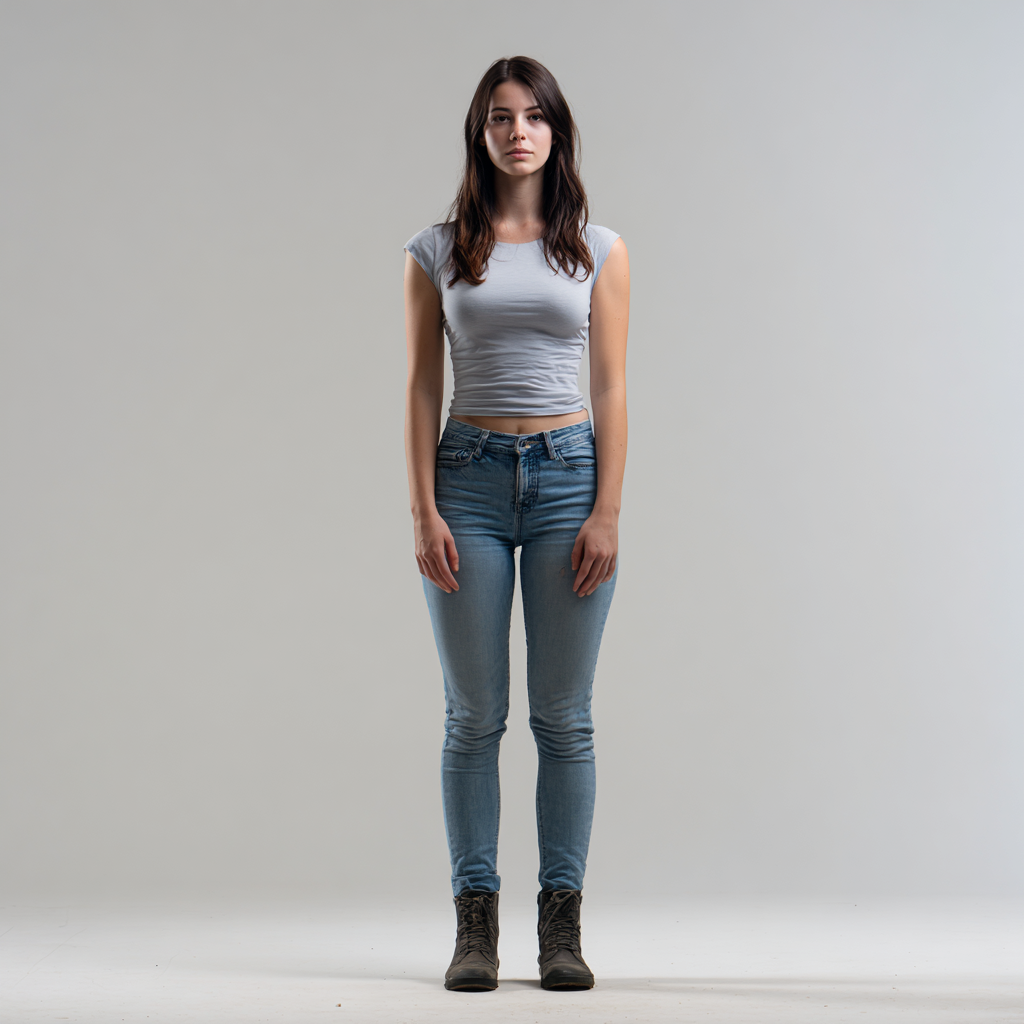
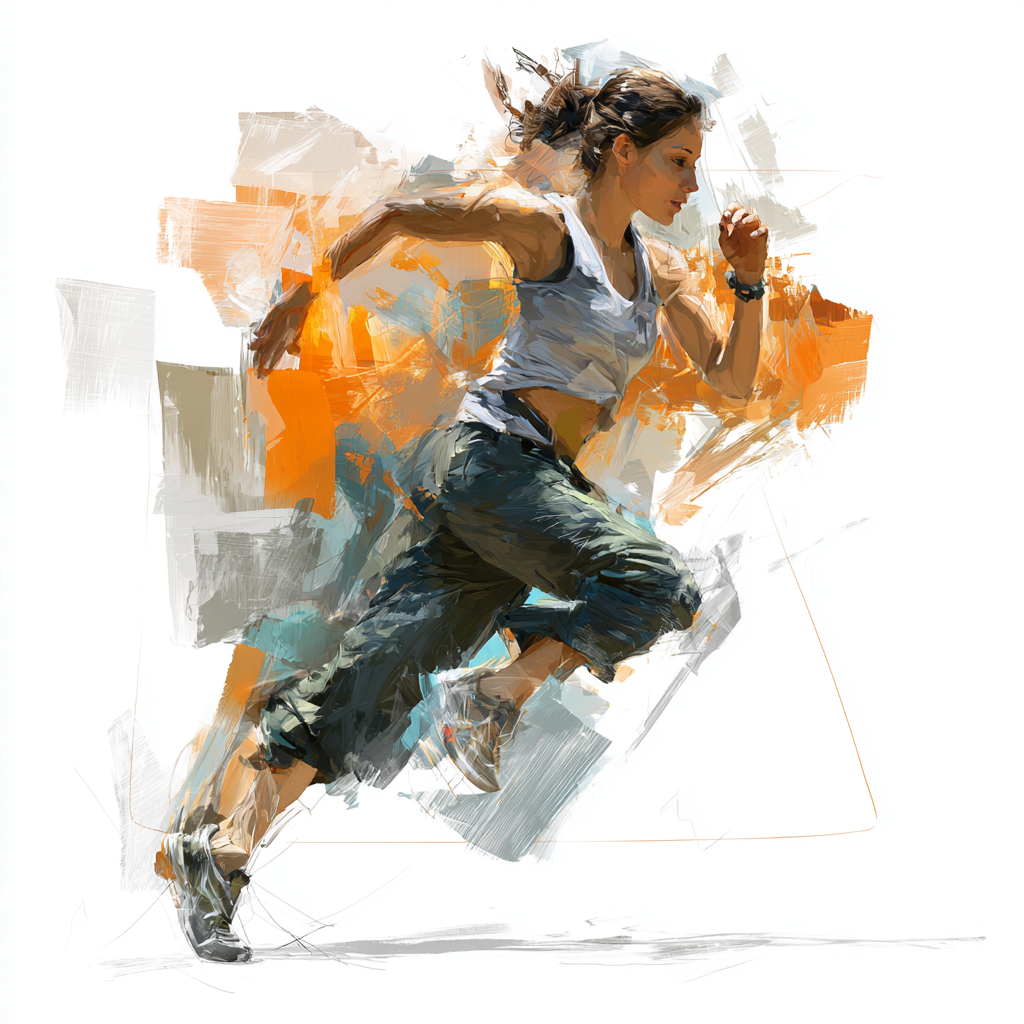
Human Anatomy
| Portrait | Full Body | Dynamic Motion | Close-Up |
|---|---|---|---|
 |  |  |  |
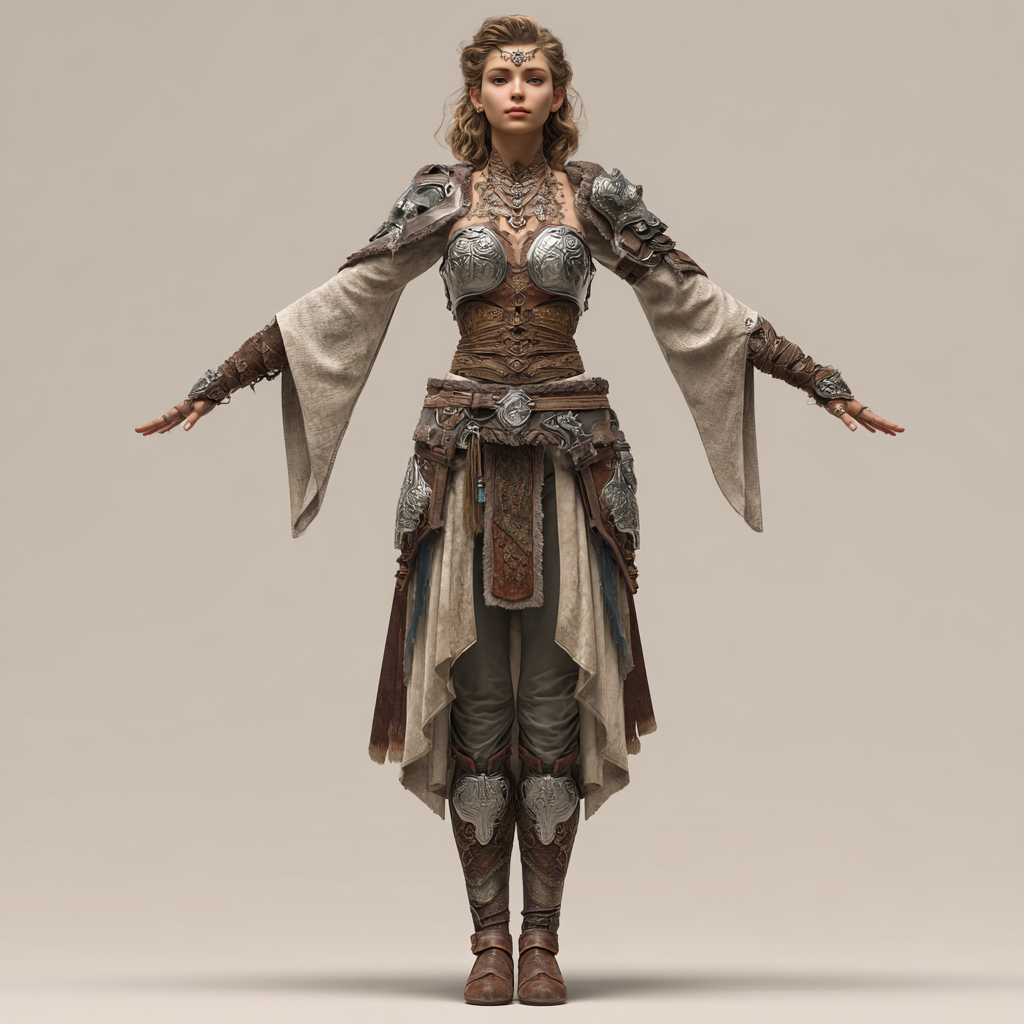
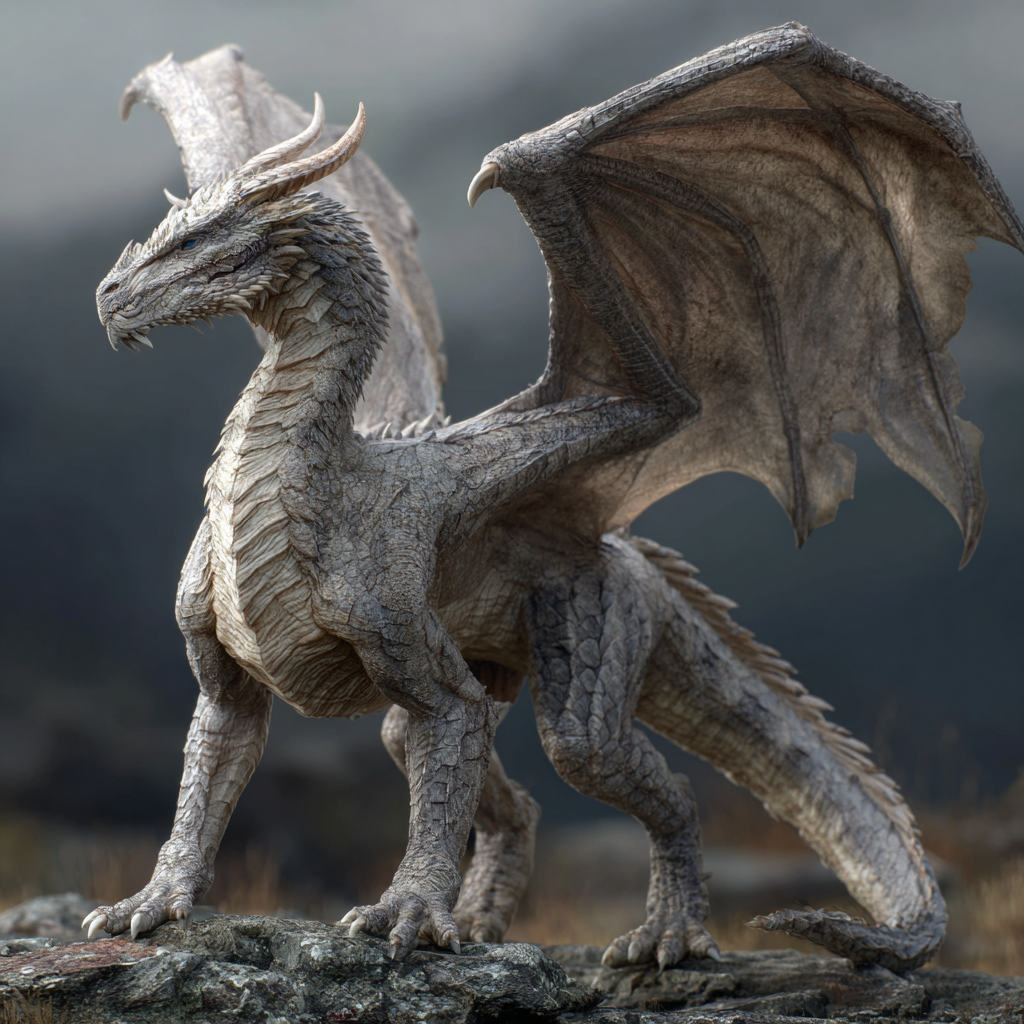
Non-Human
| Warrior | Dragon | Hybrid |
|---|---|---|
 |  | 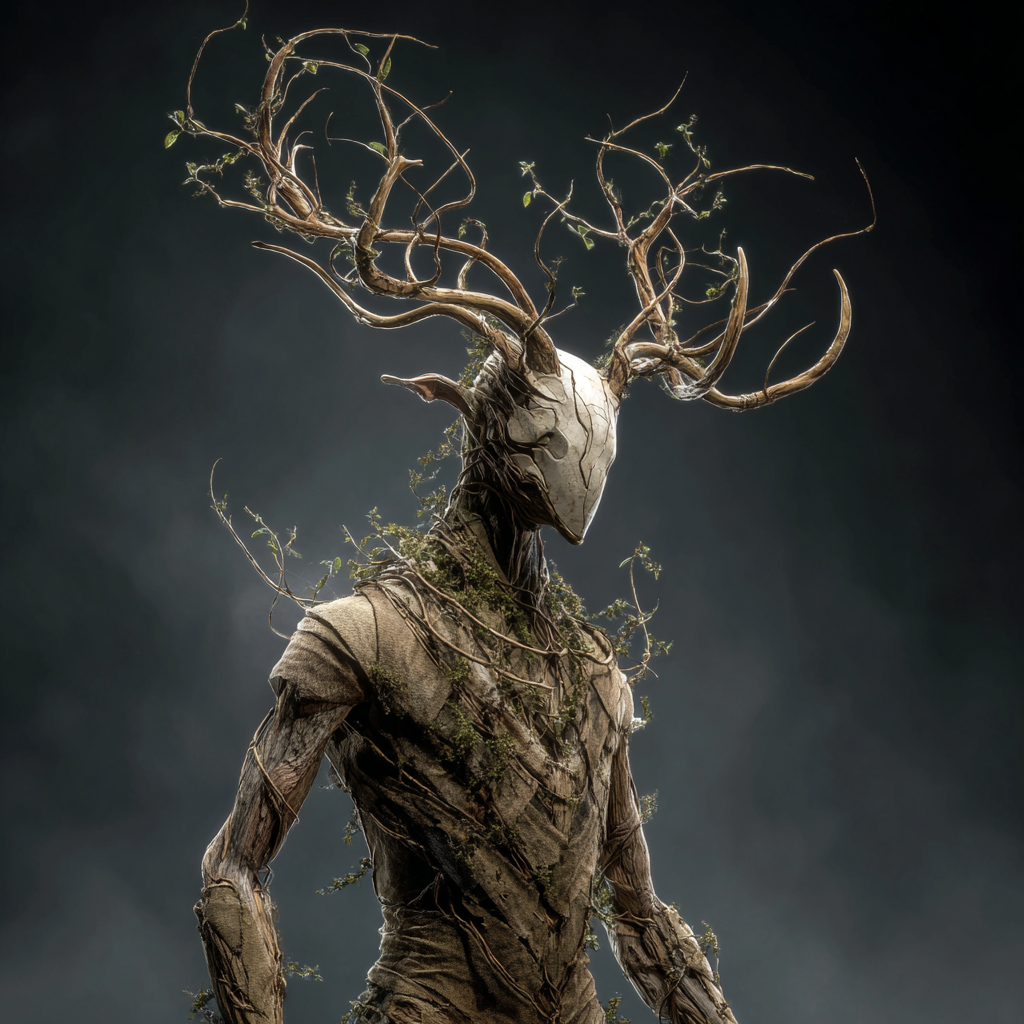 |
Environment
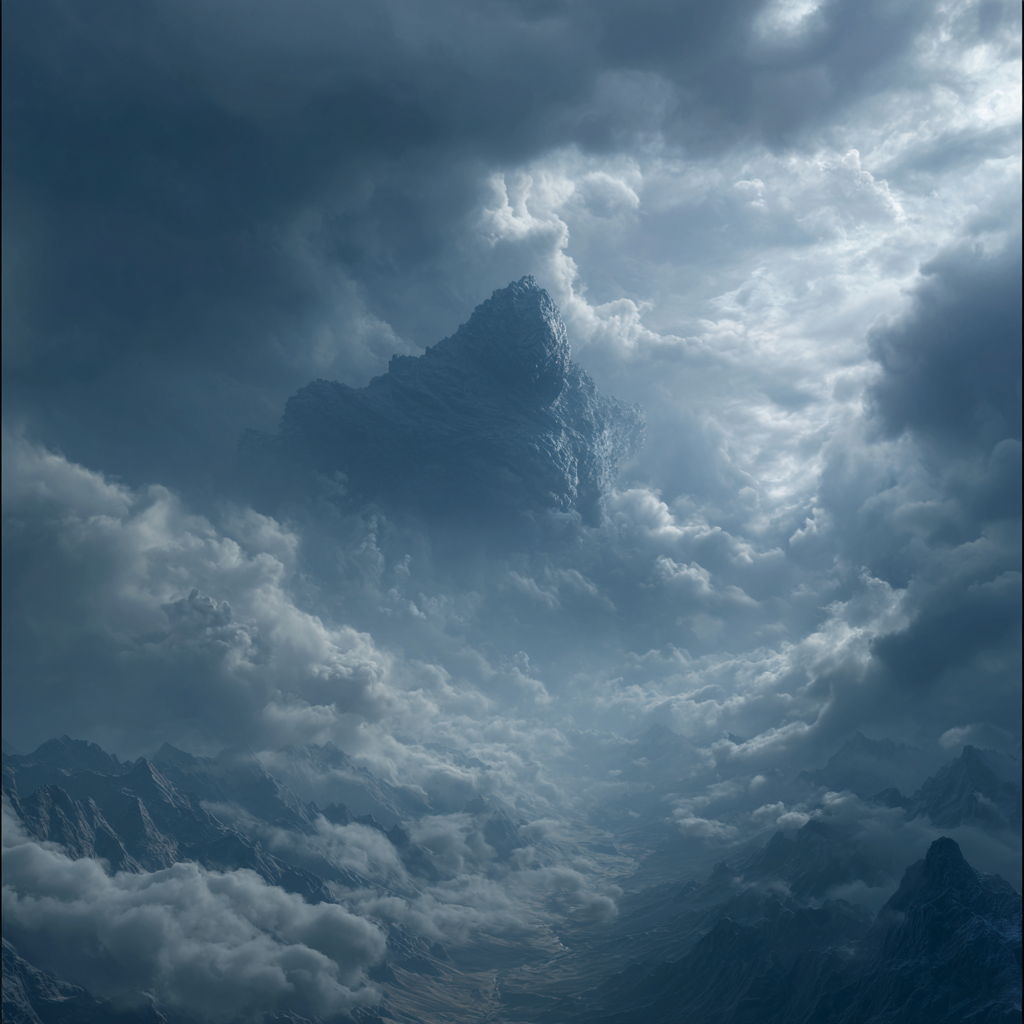
| Landscape | Cityscape | Interior | Primordial Titan |
|---|---|---|---|
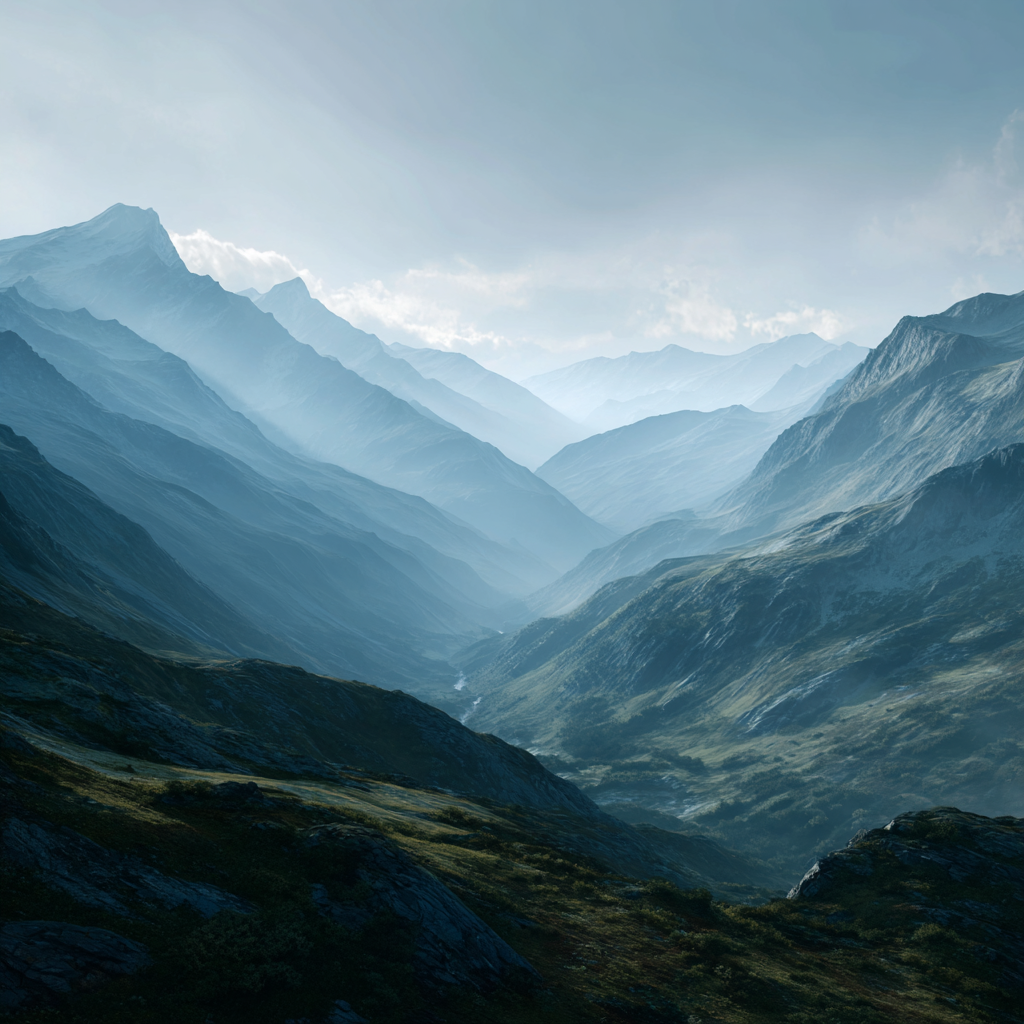 | 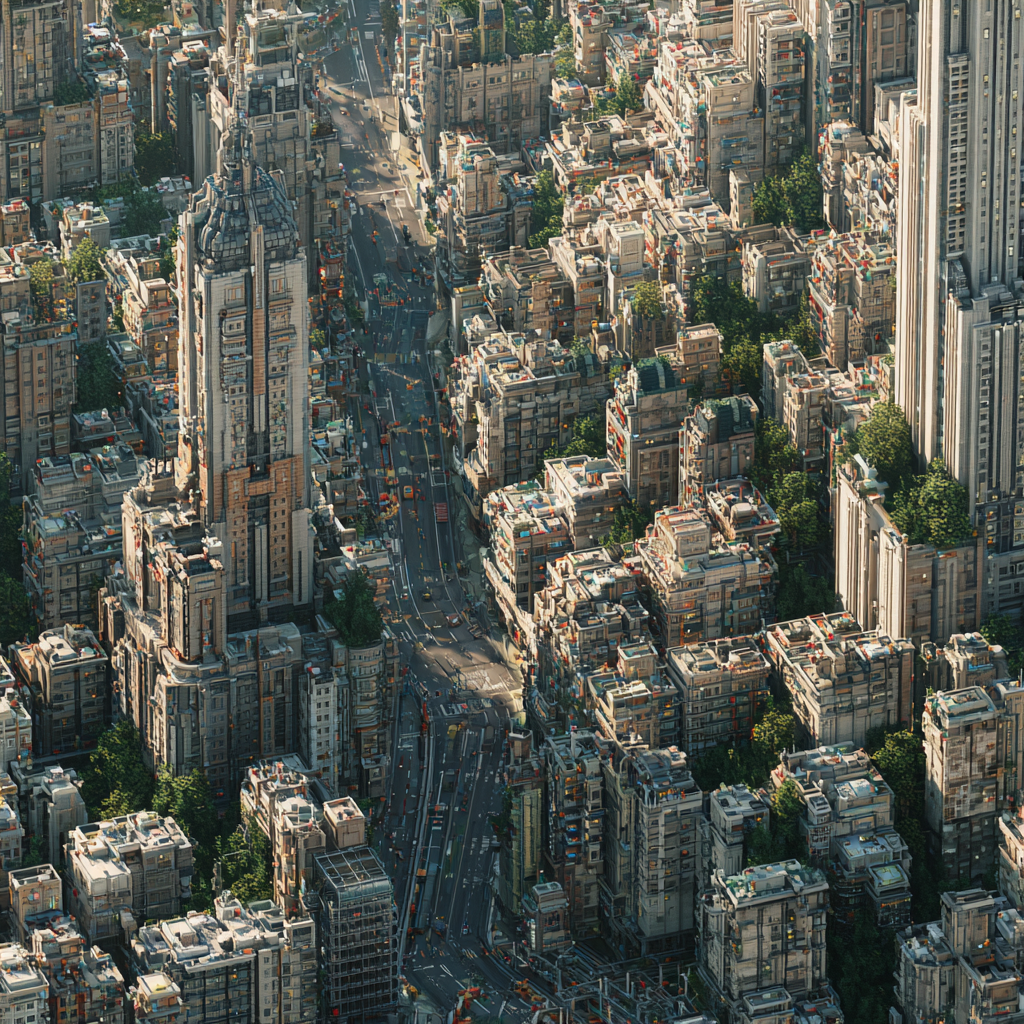 | 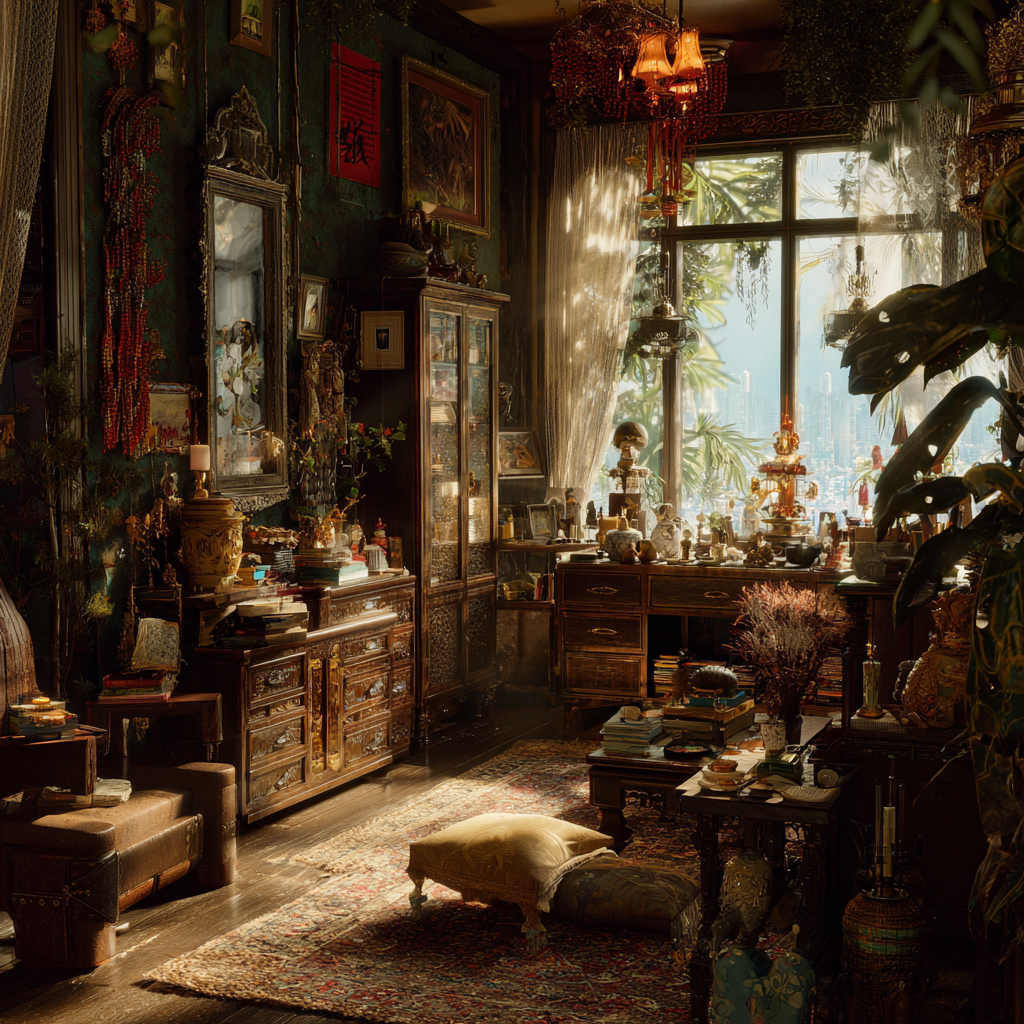 |  |
Storytelling
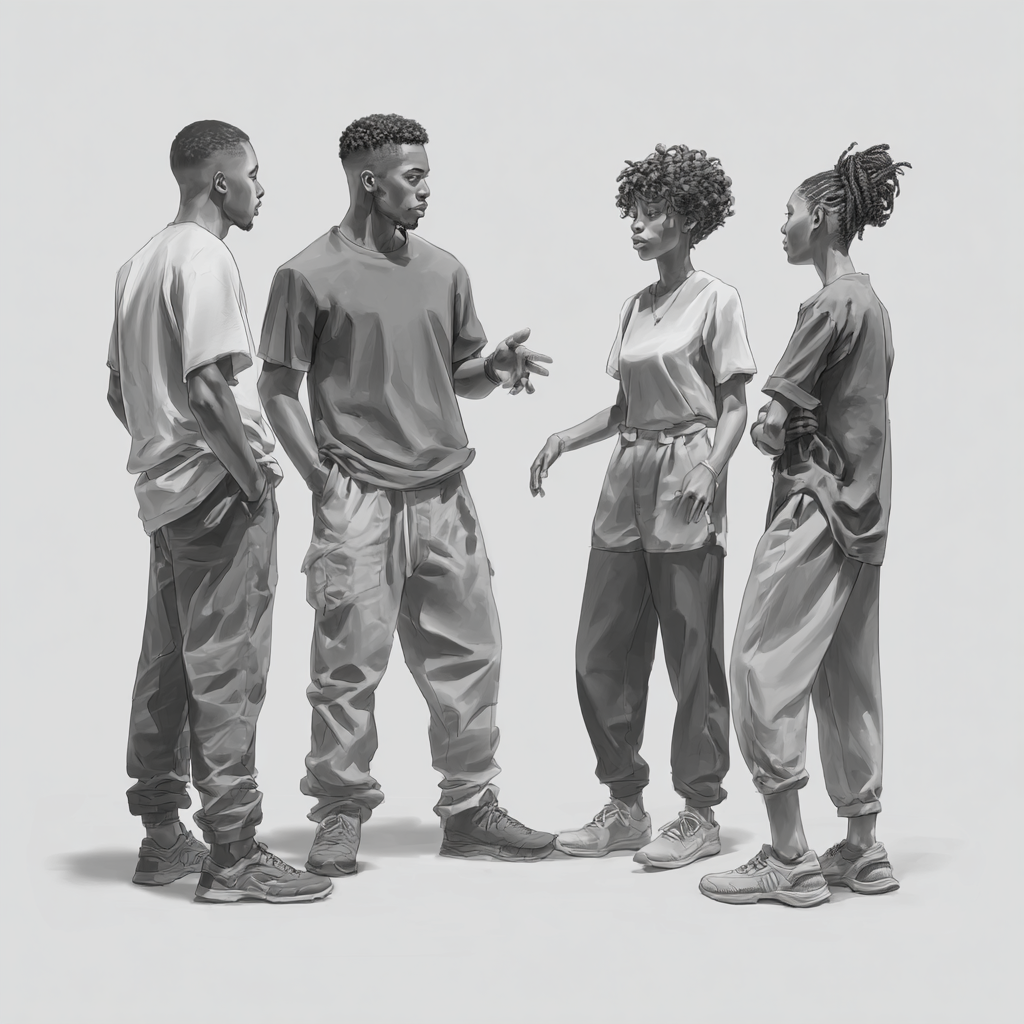
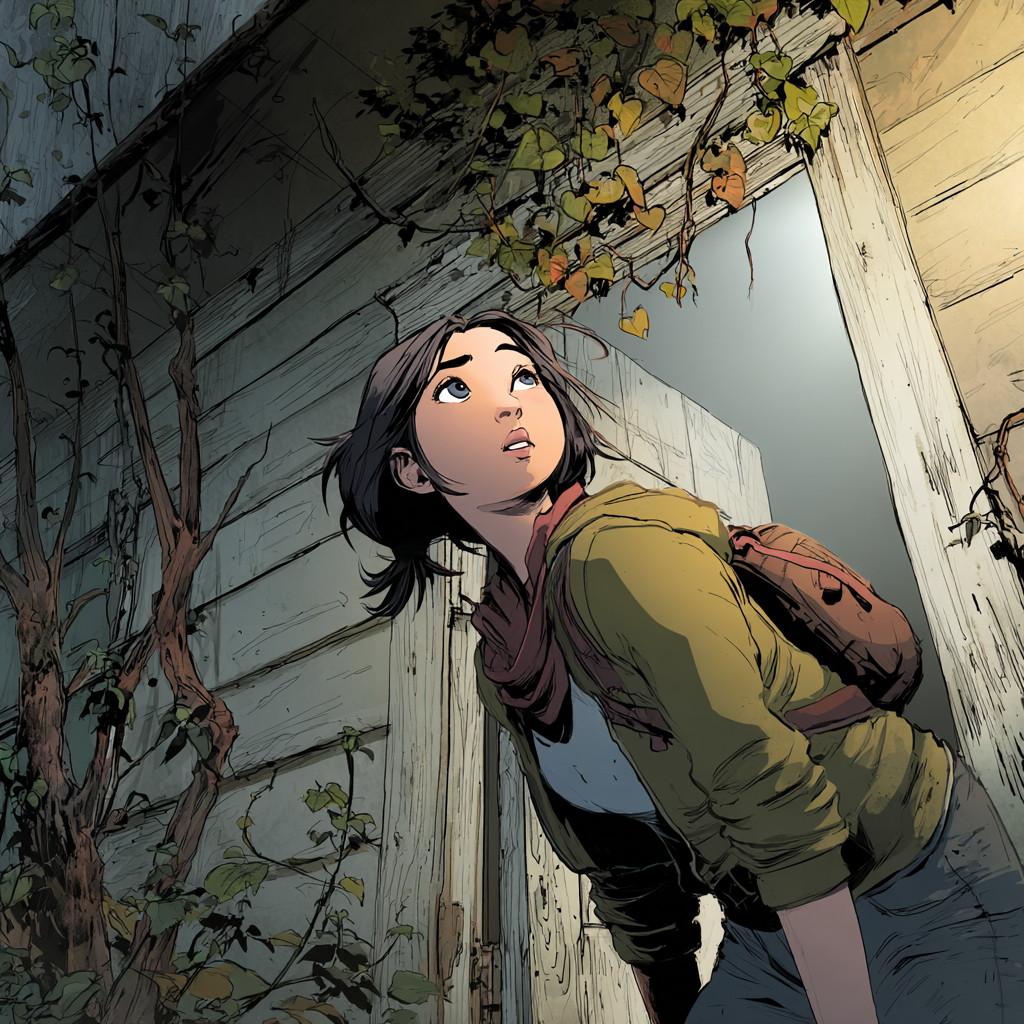
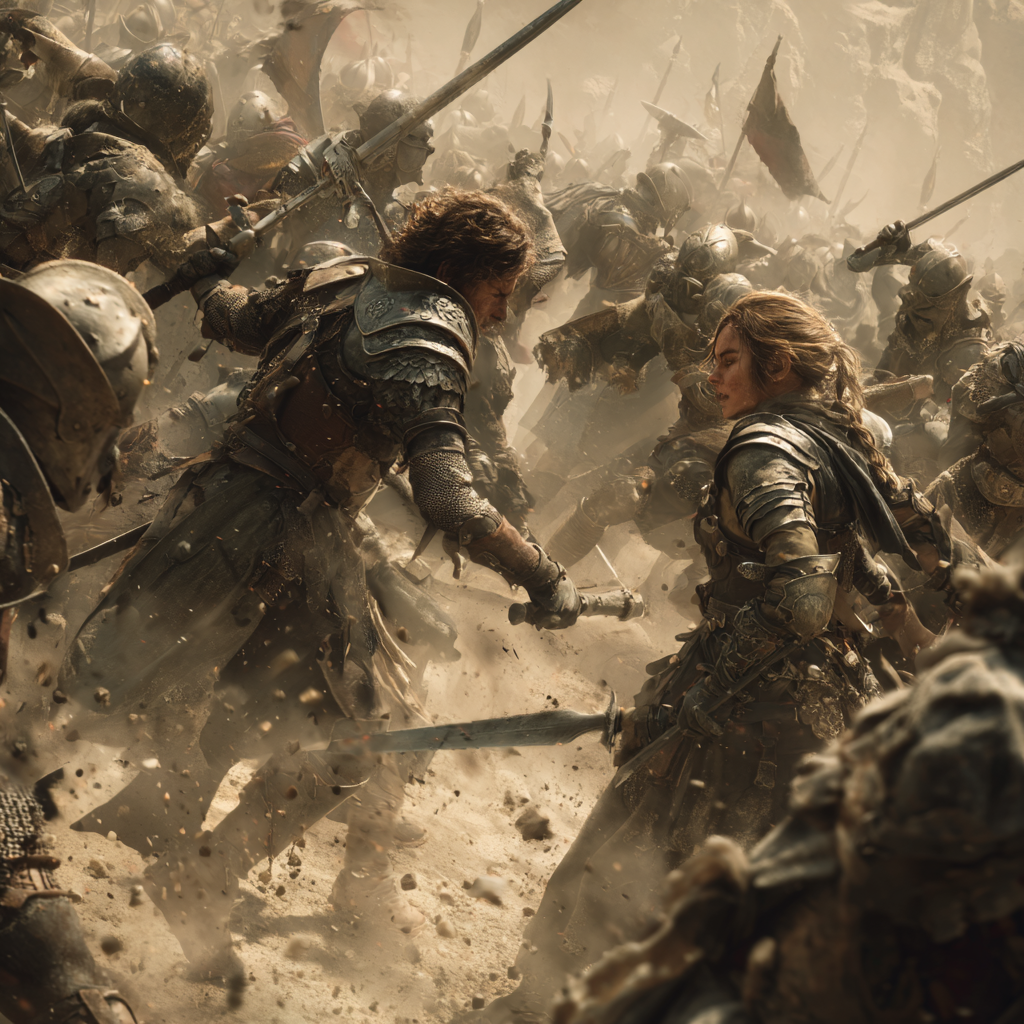
| Single Object | Small Group | Narrative Discovery | Battlefield Chaos |
|---|---|---|---|
 |  |  |  |
Lighting & Atmosphere
| Volumetric Fog | Neon Cyberpunk | Low-Key Moody | Overexposed Washed |
|---|---|---|---|
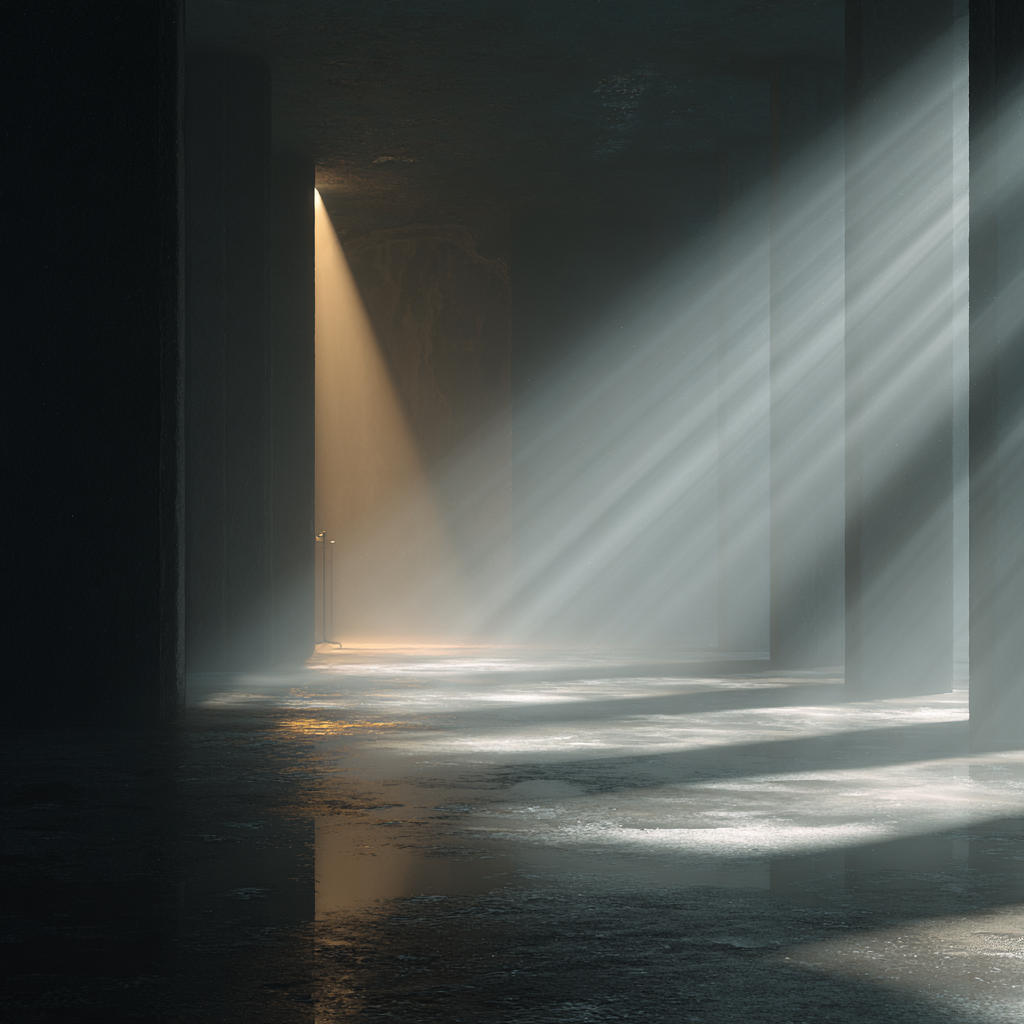 | 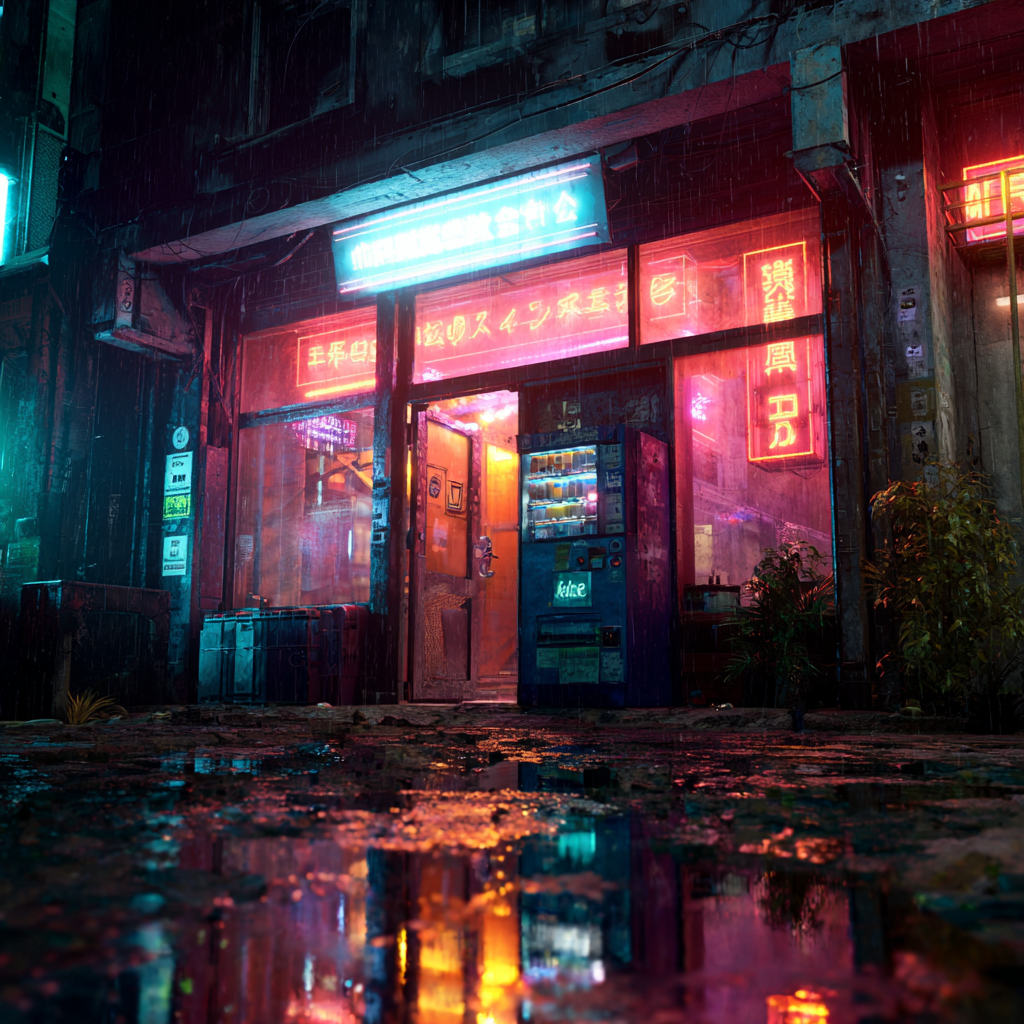 | 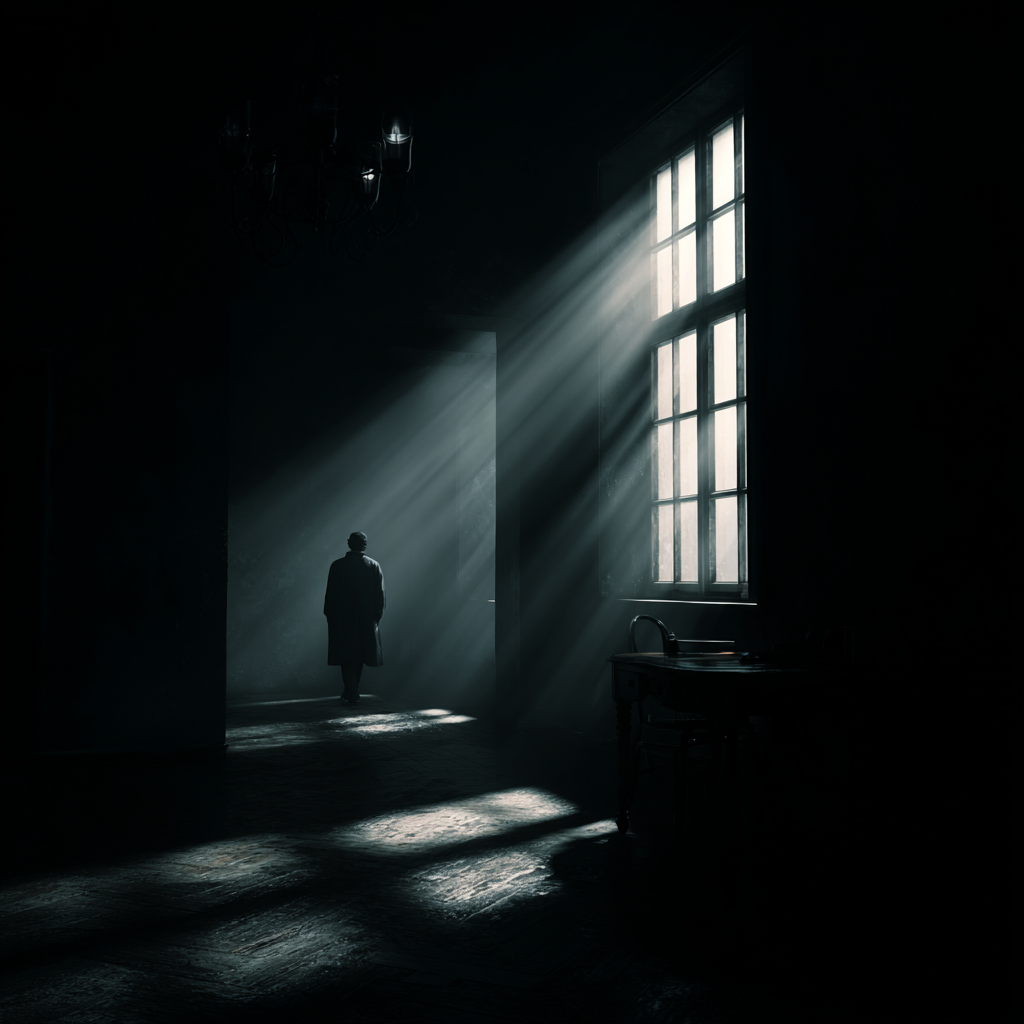 | 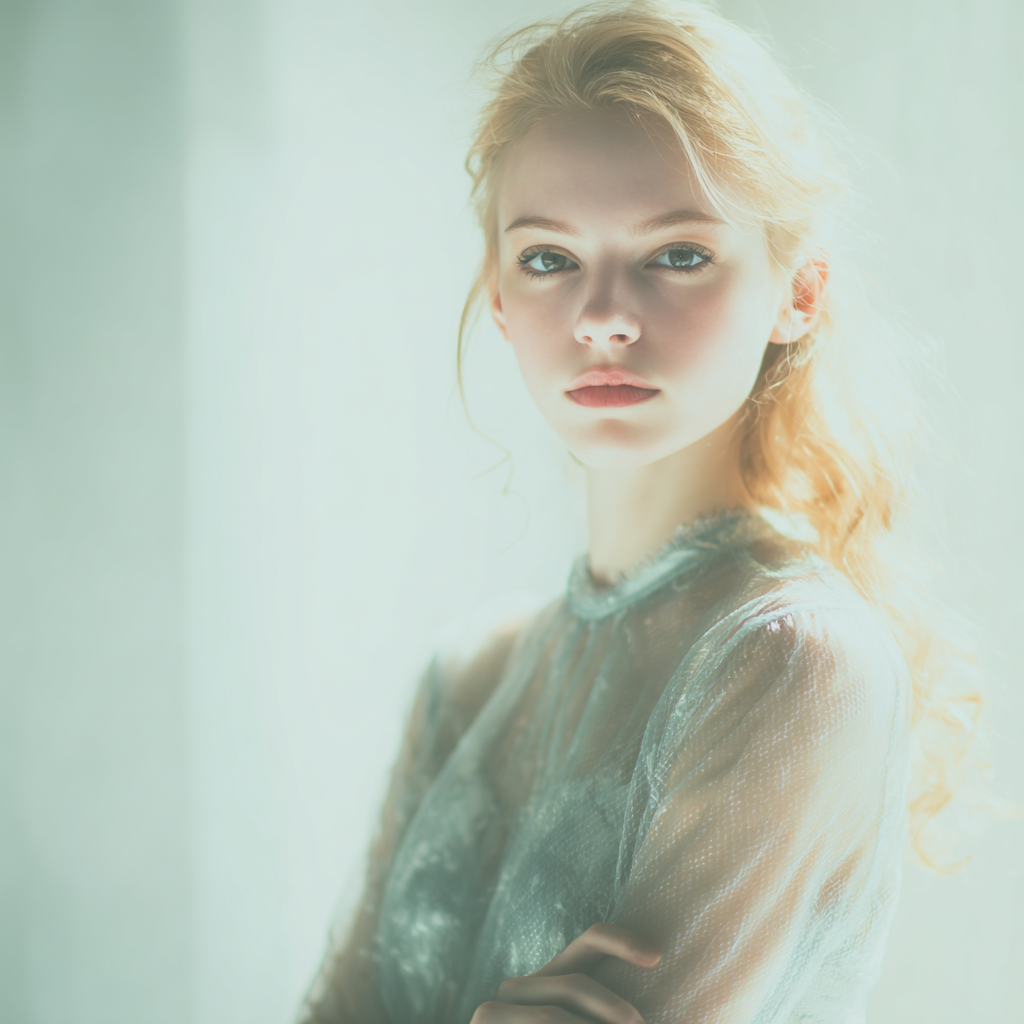 |
Materials & Physics
| Water Splash | Smoke & Fire | Reflective Material |
|---|---|---|
 |  |  |
Precision & Constraint
| Perfect Symmetry | Complex Patterns |
|---|---|
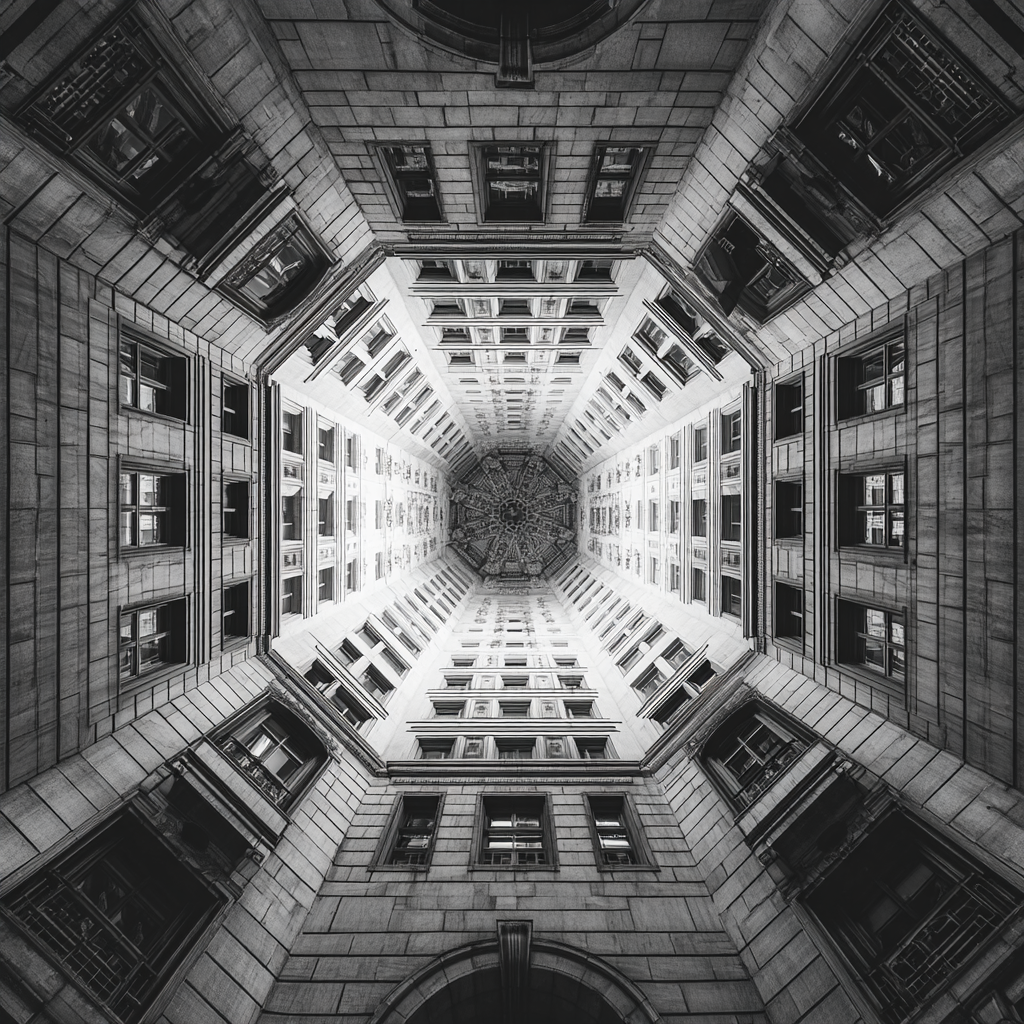 | 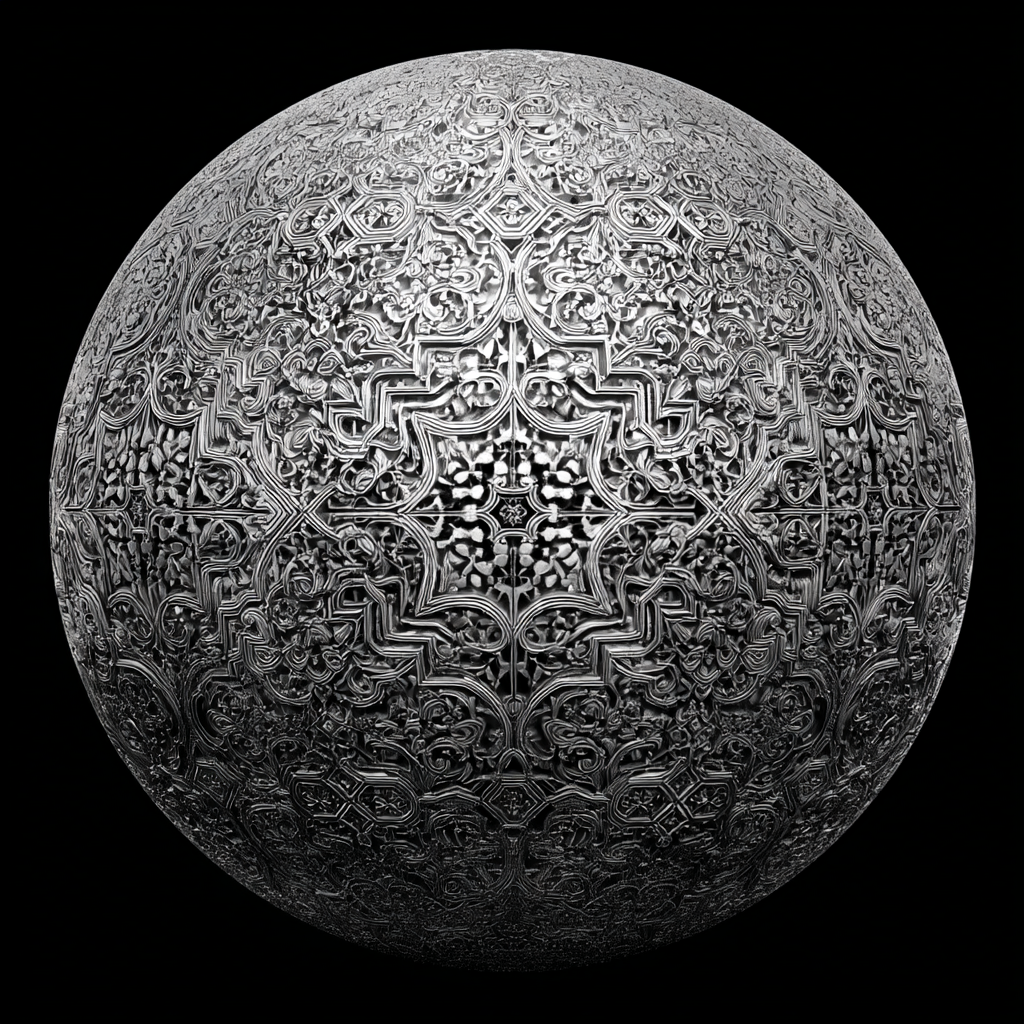 |
Extended Probes
| Macro Photography | Aerial Top-Down | Fashion Editorial | Abstract Emotion |
|---|---|---|---|
 | 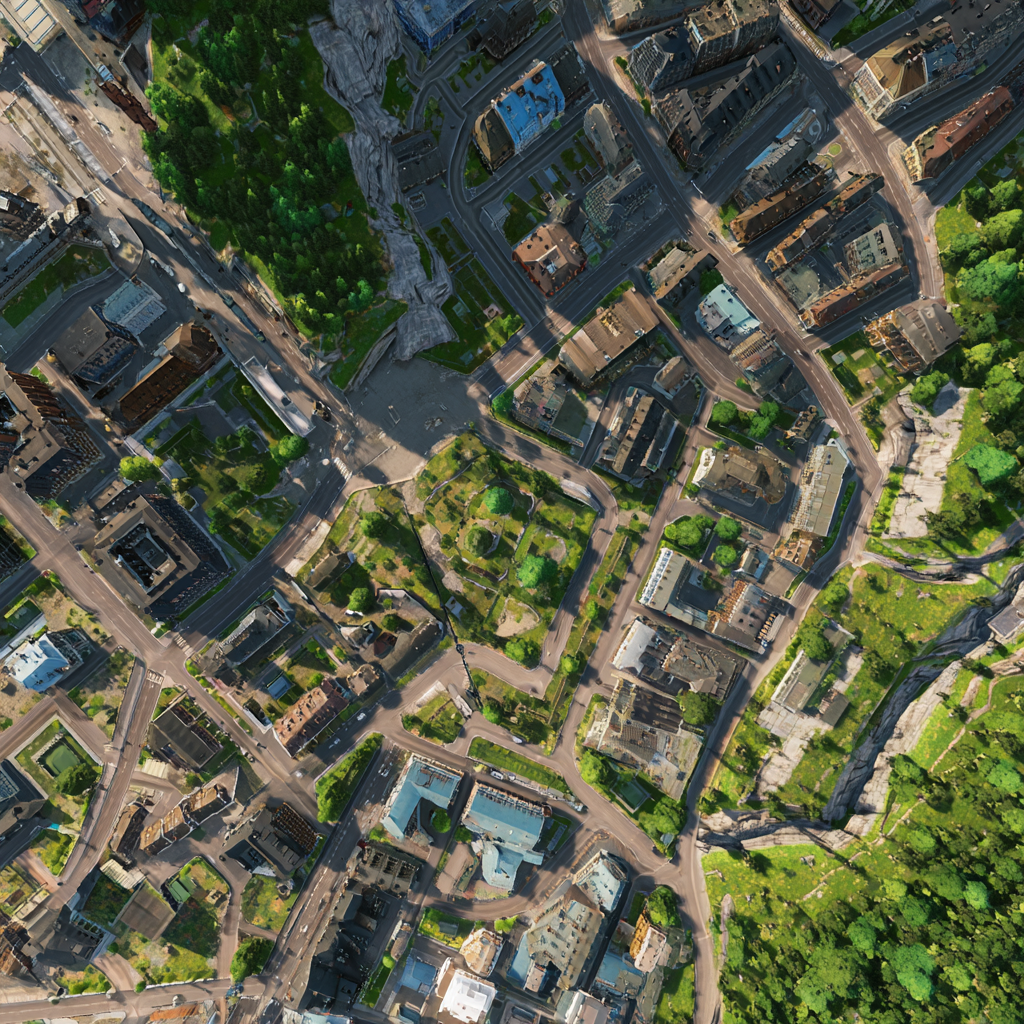 | 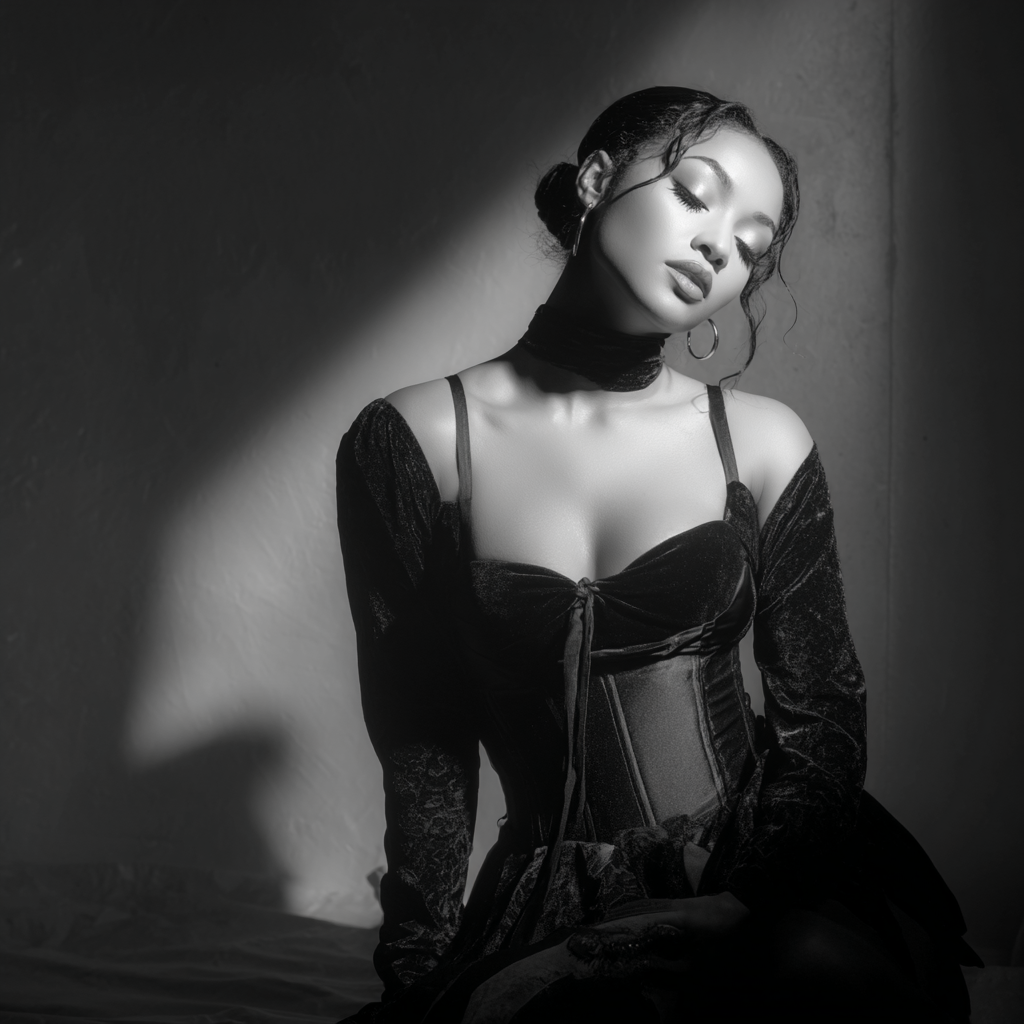 | 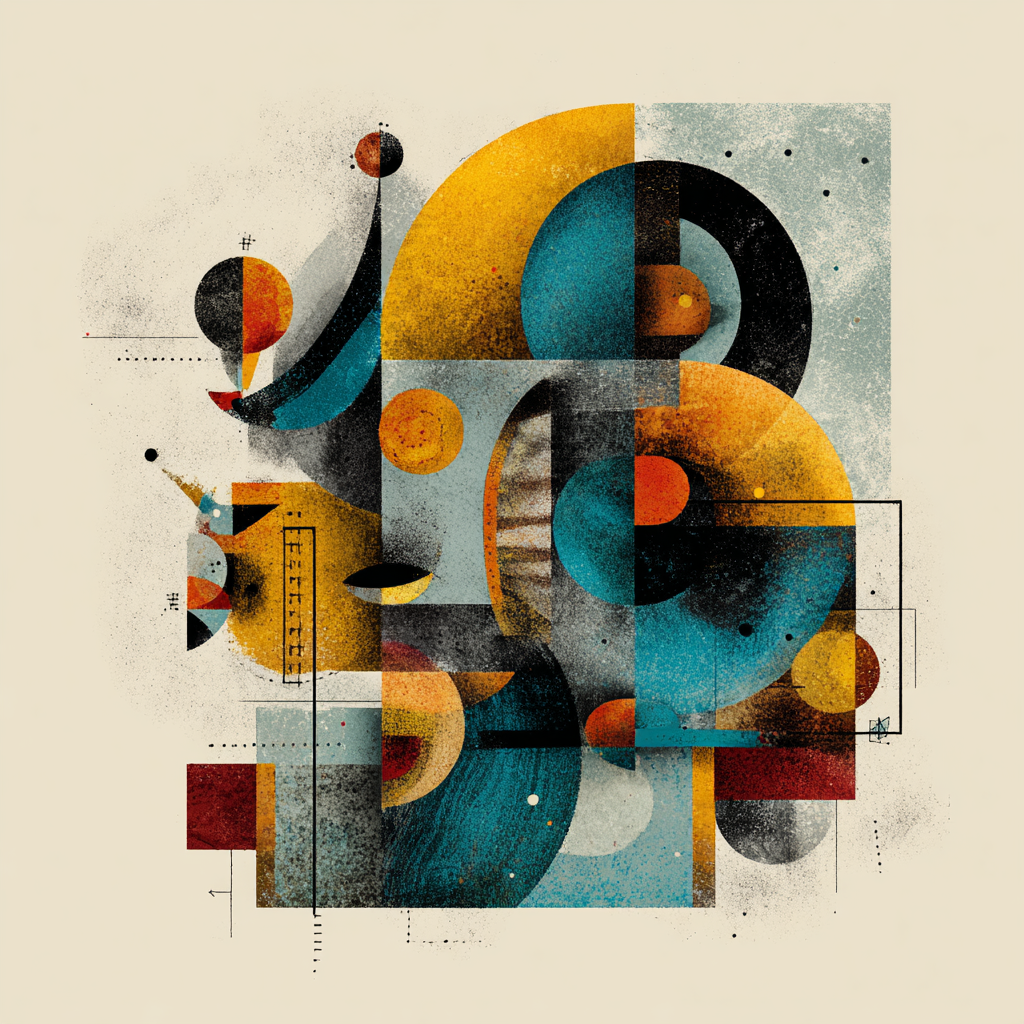 |
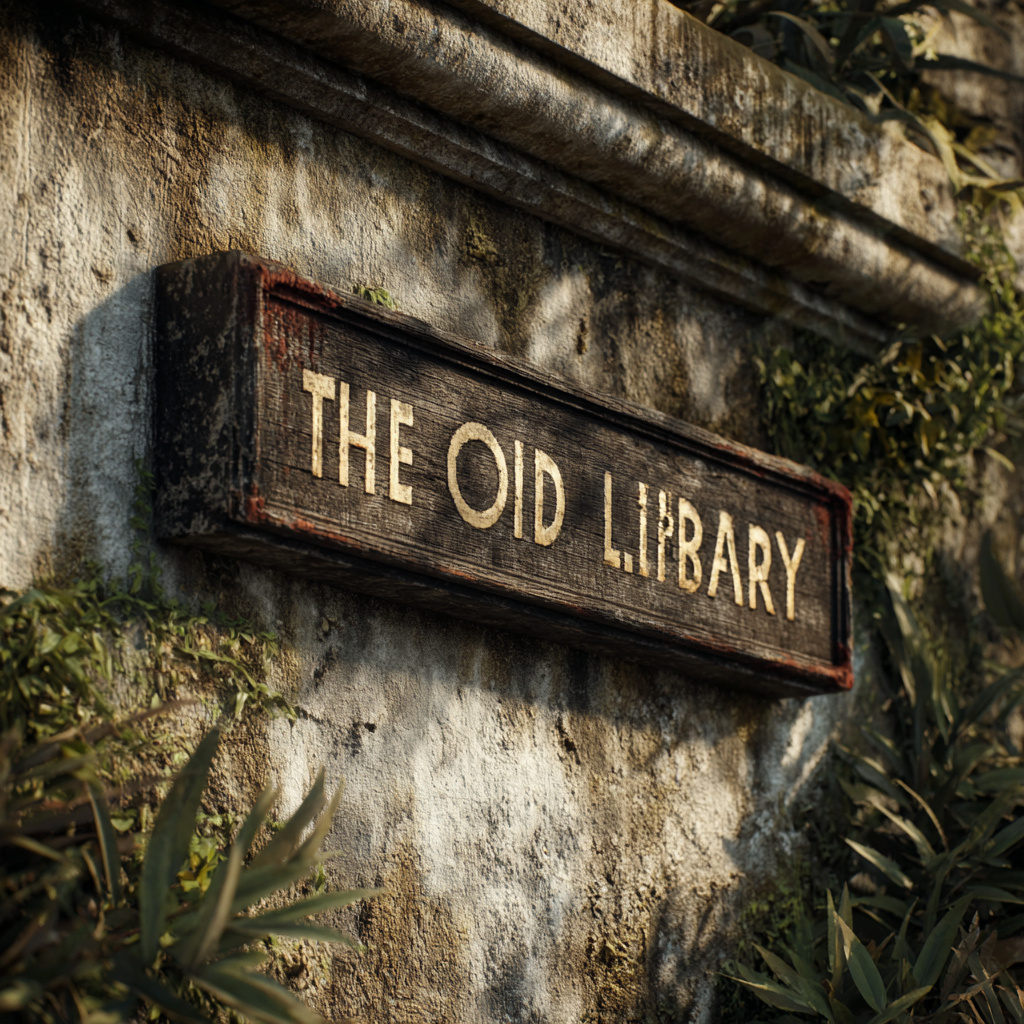
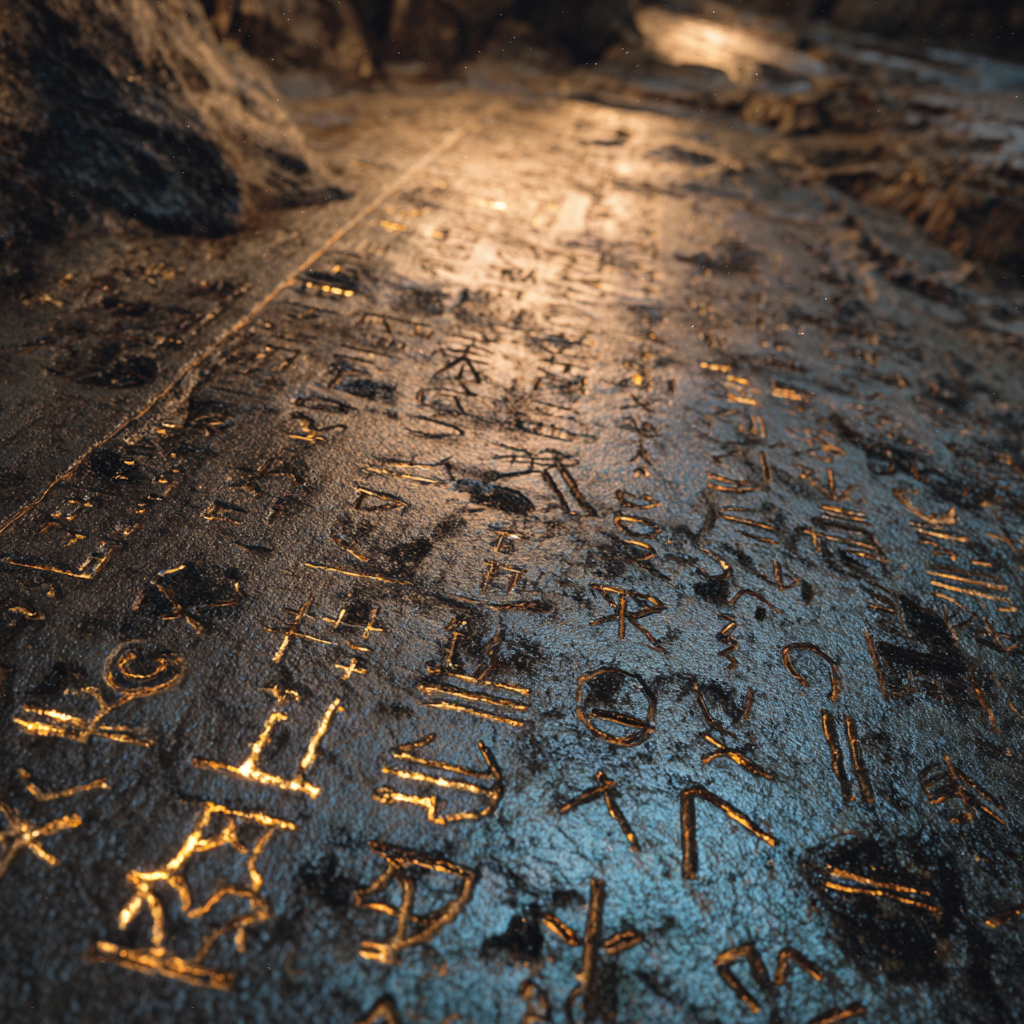
Writing Systems
| Readable Text | Fantasy Runes |
|---|---|
 |  |
Batches were run in april 2026.
Expanded DNA
🔹 1. Subject Dominance (Primary Rule)
The model enforces subject primacy above all compositional and environmental factors.
Evidence:
- subject always:
- clearly readable
- centrally or dominantly framed
- visually prioritized
- scene elements never overpower the subject
👉 Nothing is allowed to compete with the subject
Why it matters:
- Pros: strong visual hierarchy, excellent focal clarity
- Cons: limits large-scale storytelling and scene-driven composition
🔹 2. Chaos Relocation Mechanism
When prompted for complexity or chaos, the model redirects entropy into material detail instead of spatial composition.
Evidence:
- increased wear, damage, irregularities on objects
- emergence of ambiguous shapes (faces, symbols, skull-like forms)
- lack of true environmental disorder
👉 Chaos lives in the object, not the scene
🔹 3. Depth-of-Field Control System
The model uses blur and shallow focus as a primary tool to manage scene complexity.
Evidence:
- backgrounds frequently:
- soft
- out of focus
- minimally detailed
- foreground remains sharp and dominant
👉 Clarity is preserved by hiding complexity, not resolving it
🔹 4. Perceived vs Actual Complexity
The model suggests complexity without fully constructing it.
Evidence:
- “dense” scenes remain readable and simplified
- limited object overlap
- controlled spatial layering
👉 It implies chaos, it does not simulate it
🔹 5. Controlled Clutter Sweet Spot
The model performs best in mid-level complexity scenarios where structure and variation coexist.
Evidence:
- “controlled clutter” produces the most convincing results
- balanced distribution of elements
- preserved hierarchy
👉 Mid-complexity is the model’s optimal zone
🔹 6. Environment as Optional Layer
The model only constructs meaningful environments when explicitly instructed.
Evidence:
- vague prompts → blurred or minimal backgrounds
- explicit prompts → structured environments
- default tendency toward neutral or shallow context
👉 Environment is opt-in, not default
🔹 7. Implicit Narrative Encoding
The model embeds narrative through texture and ambiguity rather than explicit elements.
Evidence:
- symbolic patterns emerging in materials
- hidden shapes and suggestive forms
- storytelling through wear and detail
👉 The story is whispered, not stated
🔹 8. Cinematic Cohesion Bias
The model maintains a visually coherent, cinematic output even under varied prompts.
Evidence:
- consistent lighting behavior
- controlled composition
- absence of visual breakdown or incoherence
👉 It refuses to lose compositional control
Style Flag Note
⚙️ --style raw
The –style raw flag removes MidJourney’s internal aesthetic bias and exposes a more literal interpretation of prompts.
Observed Effects:
- reduces stylization and cinematic polish
- increases prompt fidelity
- weakens atmospheric interpretation
- limits expressive lighting behavior
- reduces volumetric and color richness unless explicitly specified
Behavioral Shift:
- default MidJourney:
- interprets
- enhances
- stylizes
- with –style raw:
- obeys
- constrains
- literalizes
👉 It trades magic for control
Key Insight:
- with –style raw:
- lighting requires explicit grounding in scene context
- abstract lighting prompts (warm, neon, fog) underperform
- without it:
- MidJourney reintroduces atmospheric richness and interpretive behavior
👉 Use raw for analysis, default for exploration