Table of Contents
Ideogram 3
a disciplined illustrator that preserves form above all else, bending style but resisting chaos and physical complexity
General
Ideogram 3 prioritizes structural consistency, graphic clarity, and stylized readability over physical realism or environmental immersion.
It exhibits extremely strong subject stability, often preserving proportions, angle, and framing with near-deterministic precision.
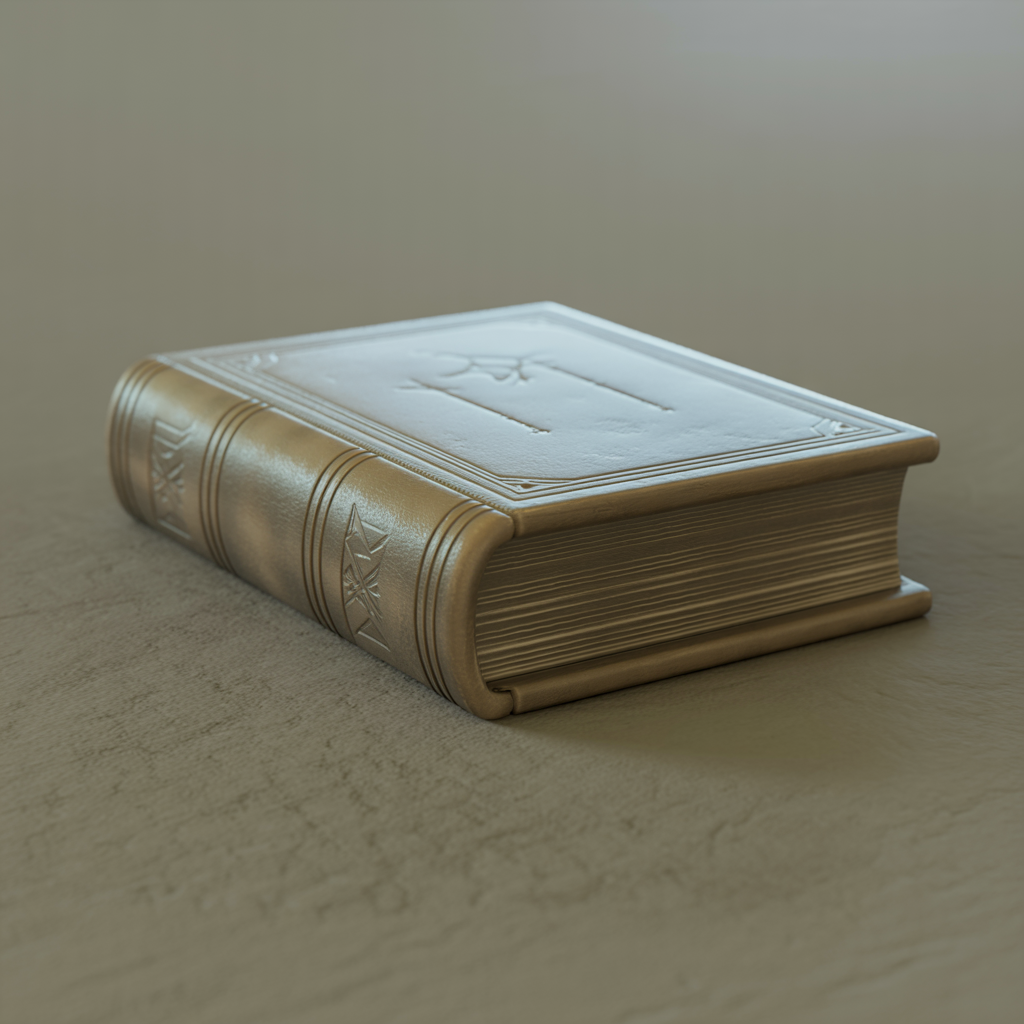
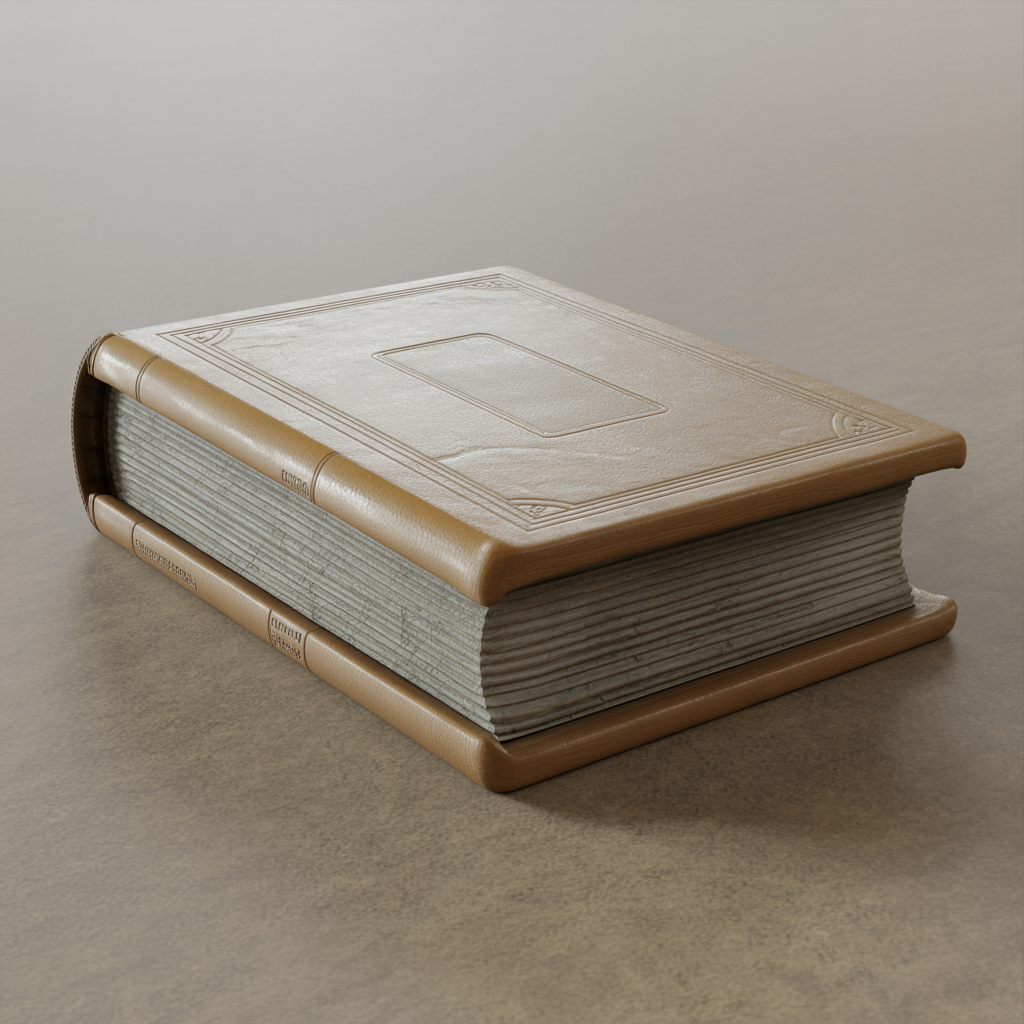
The model interprets style effectively, especially in graphic design and illustration domains, but struggles with material realism and lighting fidelity.
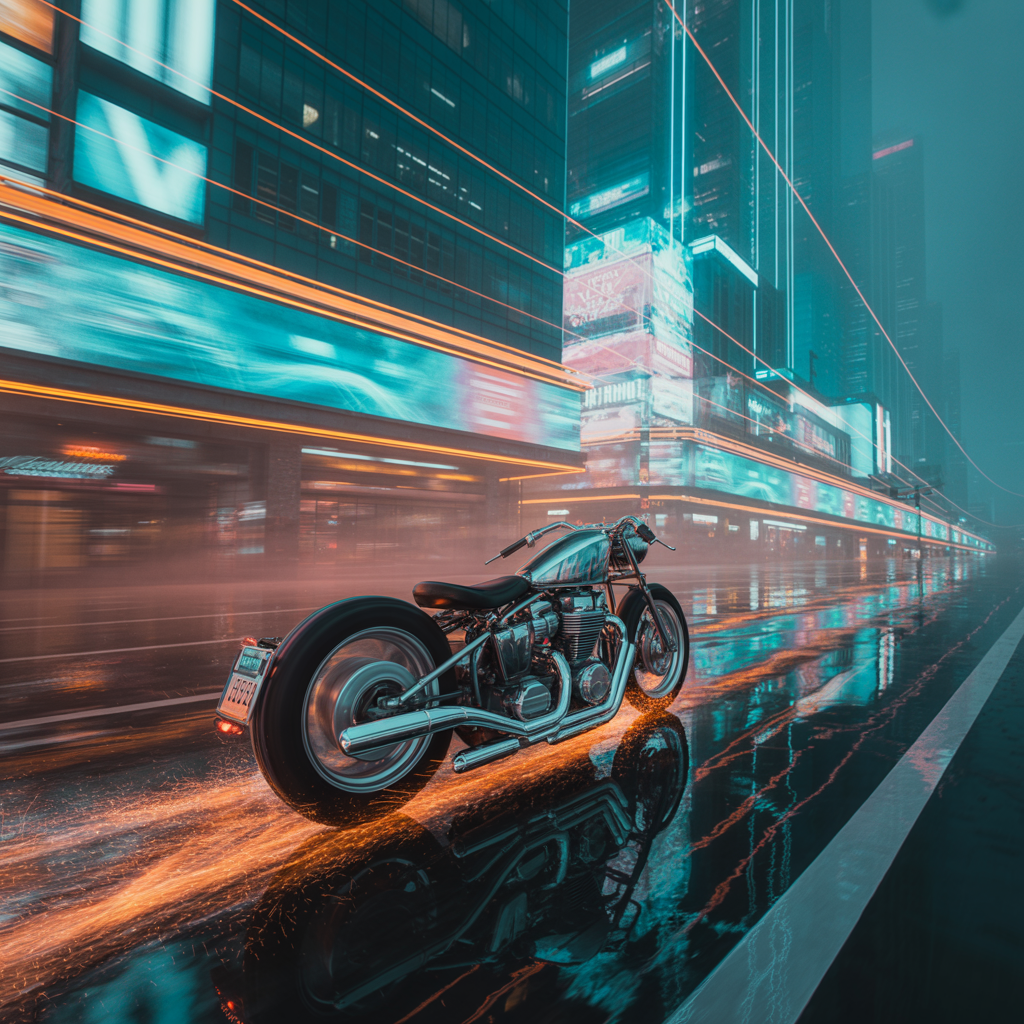
Lighting is treated as a visual effect rather than a physical system, often applied globally rather than interacting with surfaces.
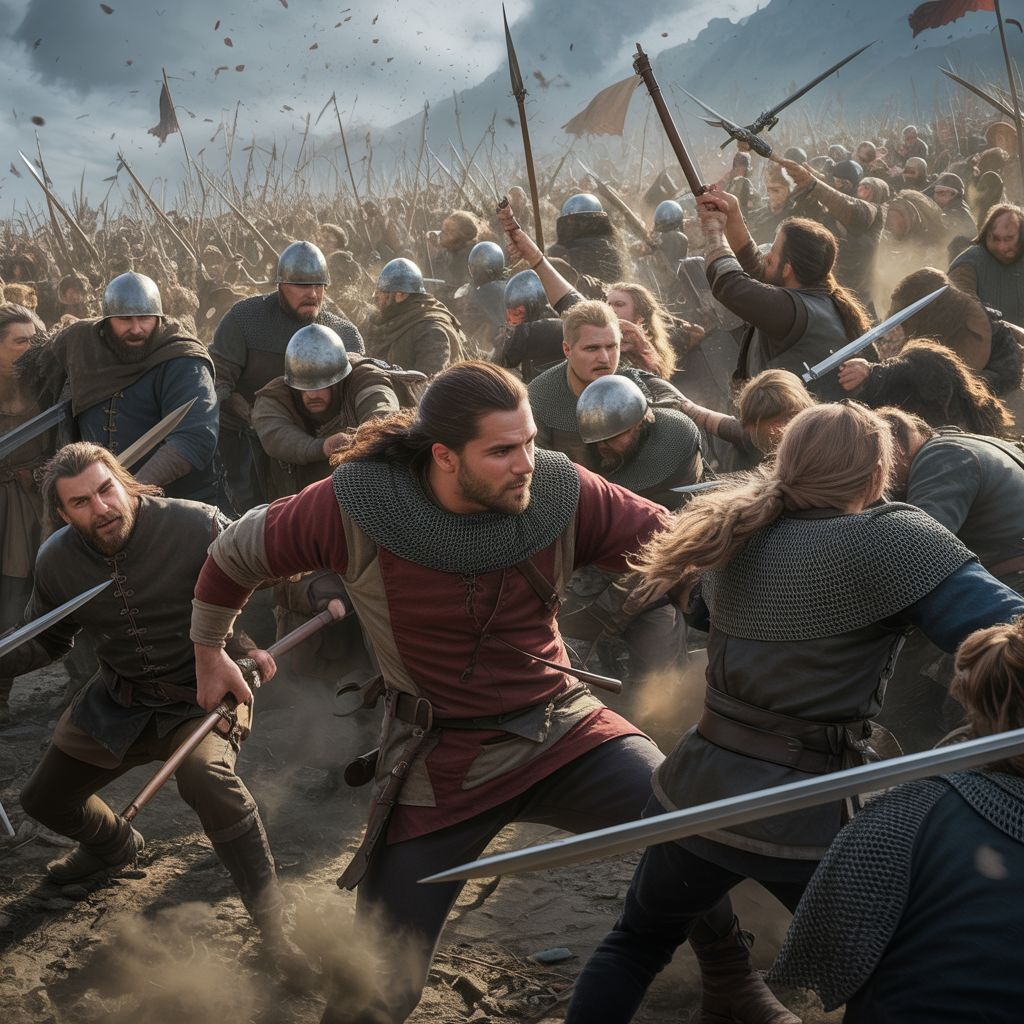
Composition resists chaos, often simplifying or restructuring scenes to maintain clarity and order.
Outputs are highly consistent and controlled, but limited in expressiveness, depth, and cinematic variation.
Main DNA Traits
🧬 Structural Preservation
The subject’s geometry, proportions, and orientation remain highly consistent across generations.
The object is anchored and rarely deviates
🧬 Style Translation Strength
The model excels at translating prompts into clear, readable stylistic outputs, especially in illustration and graphic design domains.
🧬 Chaos Avoidance
The model actively avoids disorder, simplifying or restructuring scenes when complexity becomes ambiguous.
When chaos is requested, the model retreats or reinterprets
Strengths
- perfect for:
- graphic design assets
- stylized illustration
- clean visual ideation
- you always get:
- consistent structure
- readable forms
- stable outputs
Atlas
Core
| Null | Guided |
|---|---|
 |  |
Styles
| Fantasy | Cinematographic | Hyper Realistic | Sylized Illustration |
|---|---|---|---|
 |  |  |  |
| Painterly | Bright Whimsical | Graphic / Design | Technical / Scan-like |
 |  |  |  |
Light
| Soft Natural | High Contrast | Volumetric Fog | Neon |
|---|---|---|---|
 |  |  |  |
| Low key / dark / Moody | Overexposed / bright | Directional Spotlight | Warm & Cool |
 |  |  |  |
Environment Complexity
| Structured | Multi-Ojbect | Dense Environment | Controlled Clutter |
|---|---|---|---|
 |  |  |  |
| Chaotic | Chaos Control | ||
 |  |
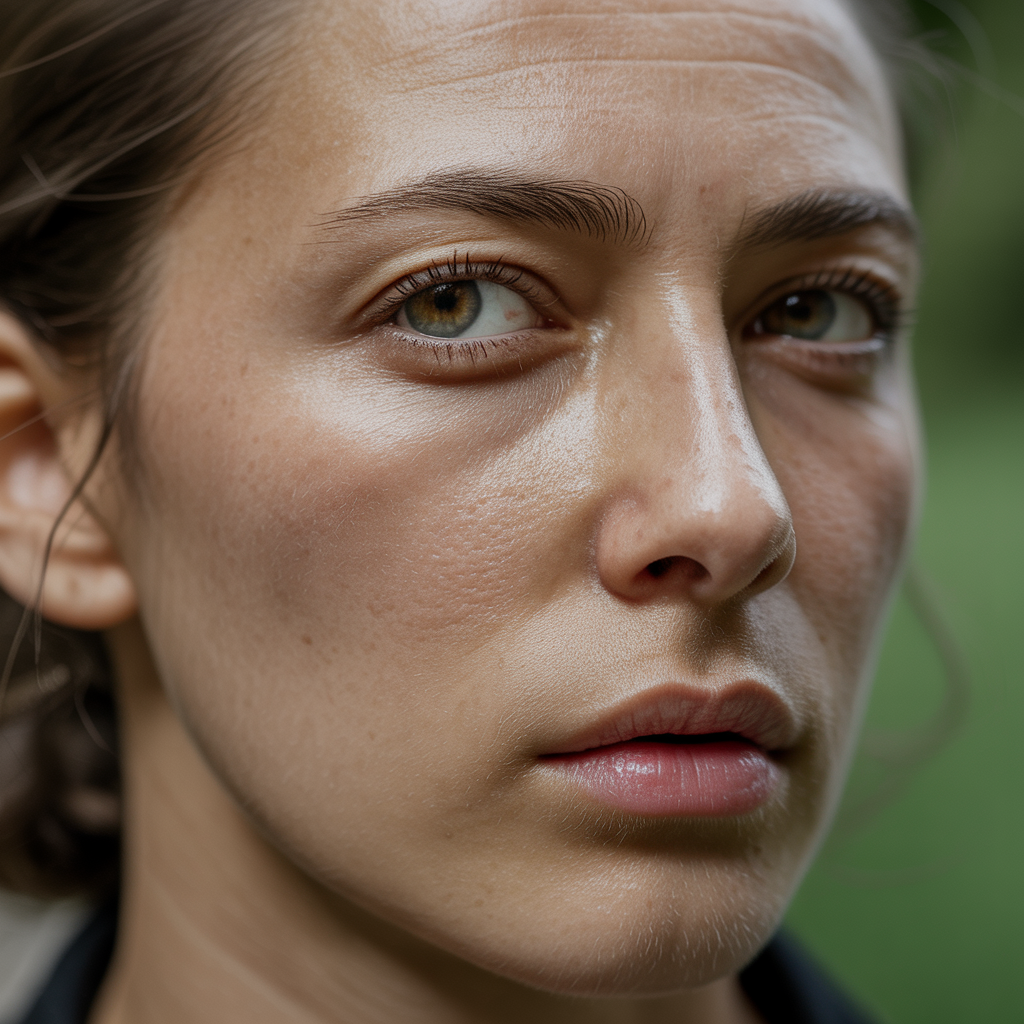
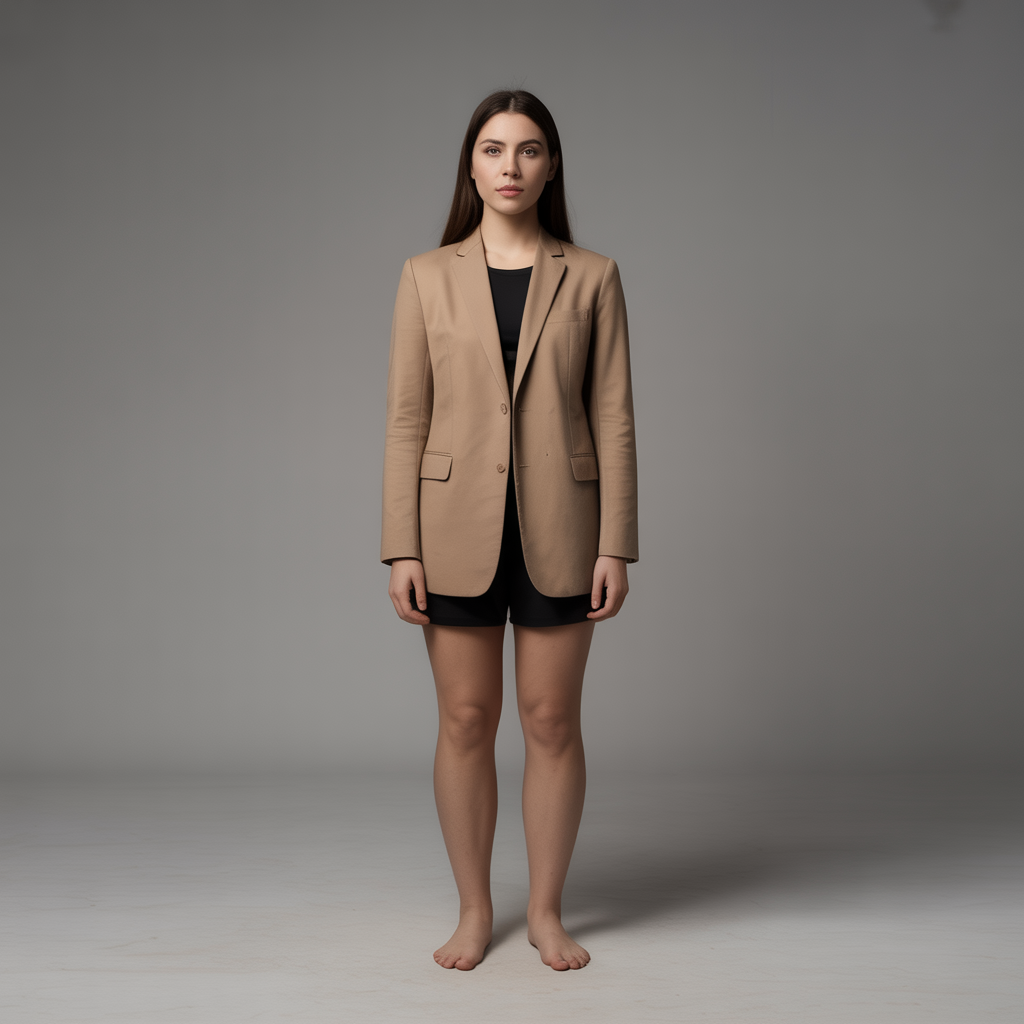
Human Anatomy
| Portrait | Full Body | Dynamic Motion | Close-Up |
|---|---|---|---|
 |  |  |  |
Mythic
| Warrior | Mage | Dragon | Hybrid |
|---|---|---|---|
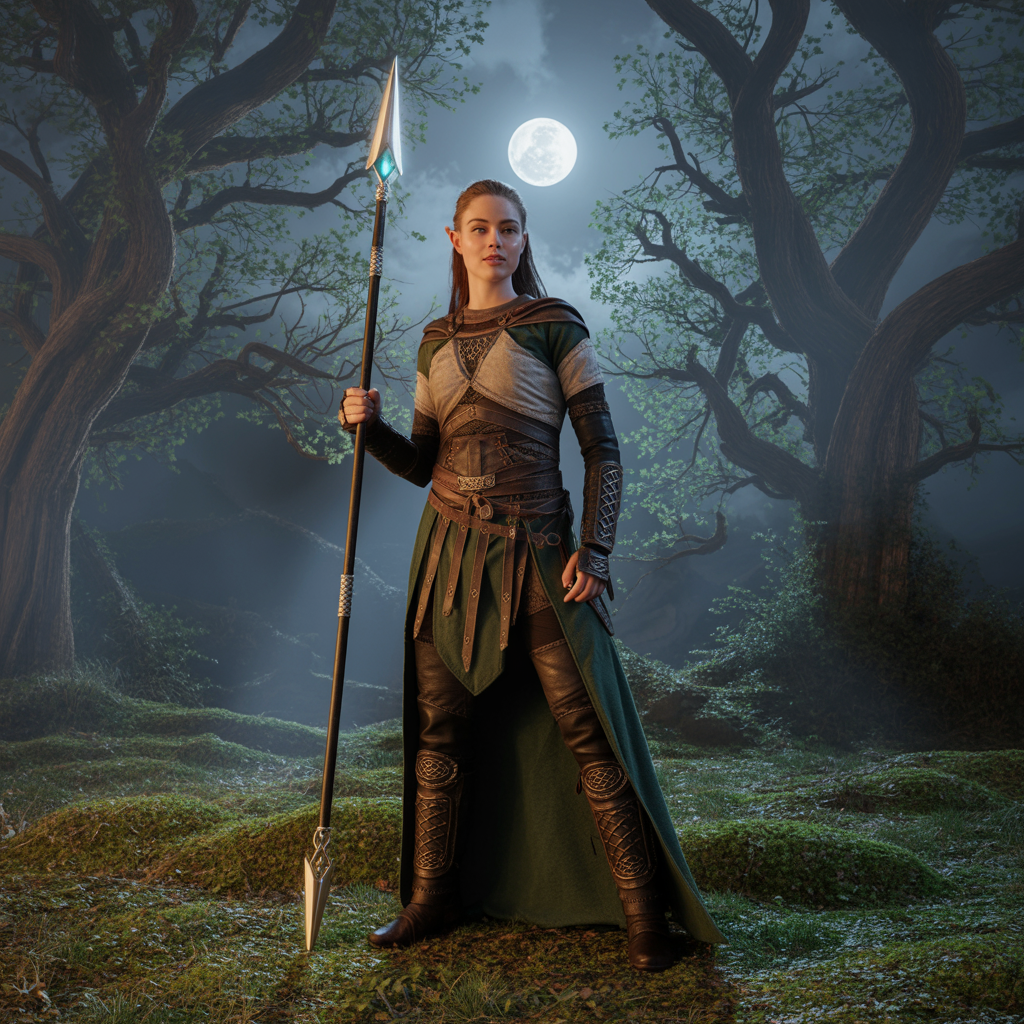 |  | 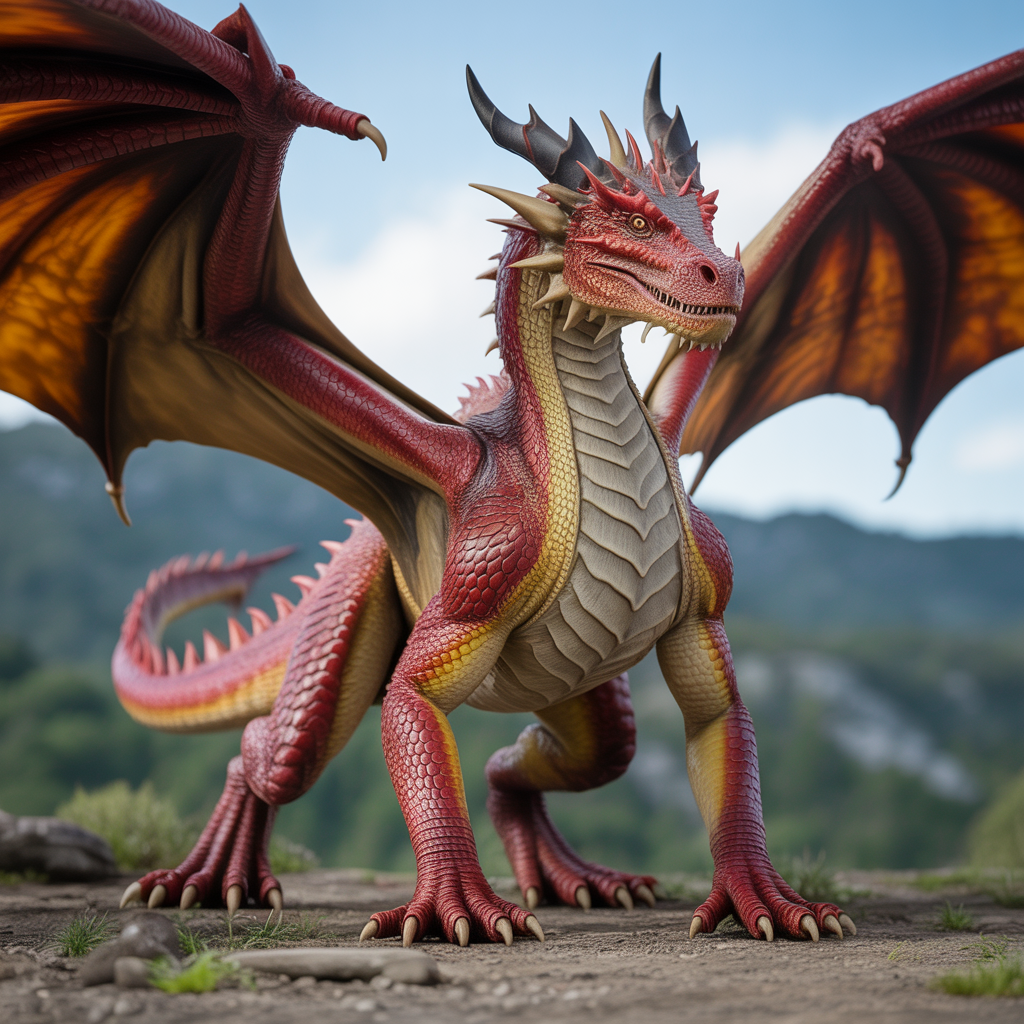 | 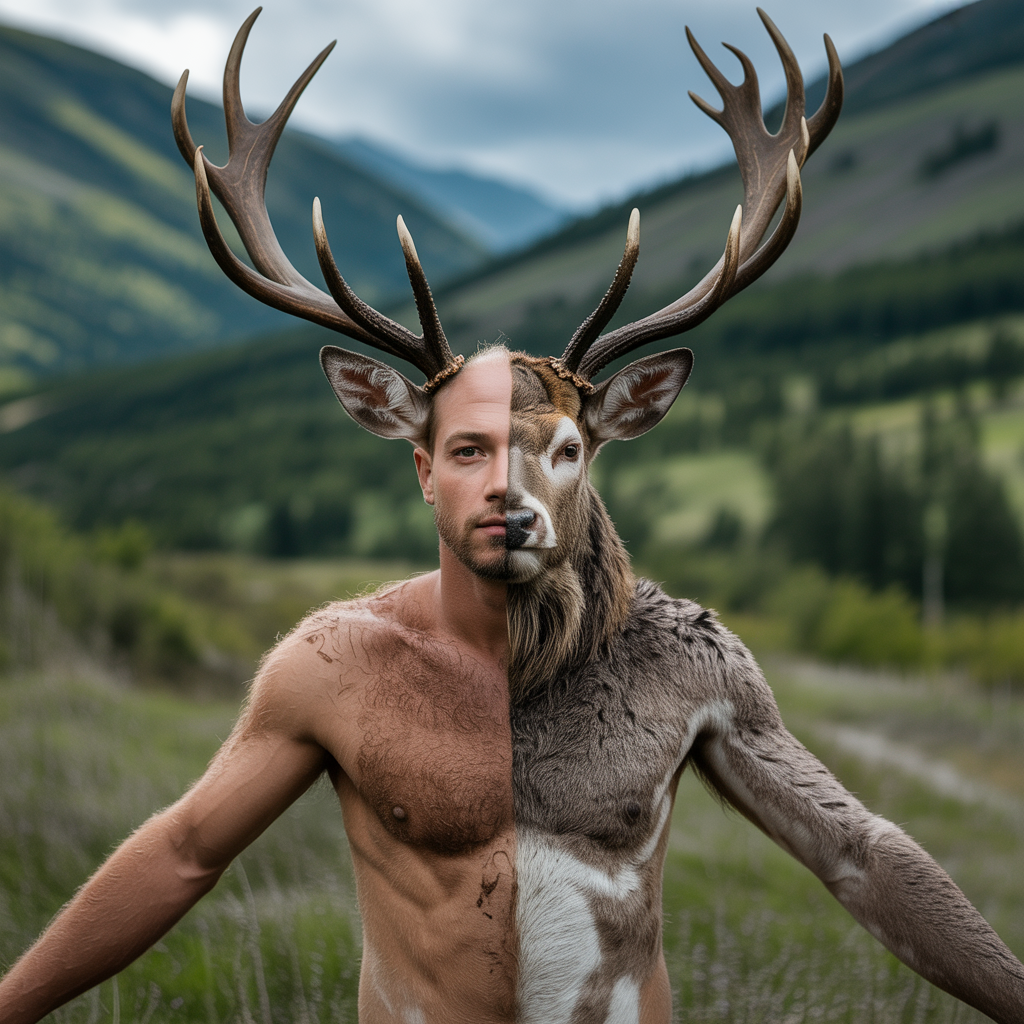 |
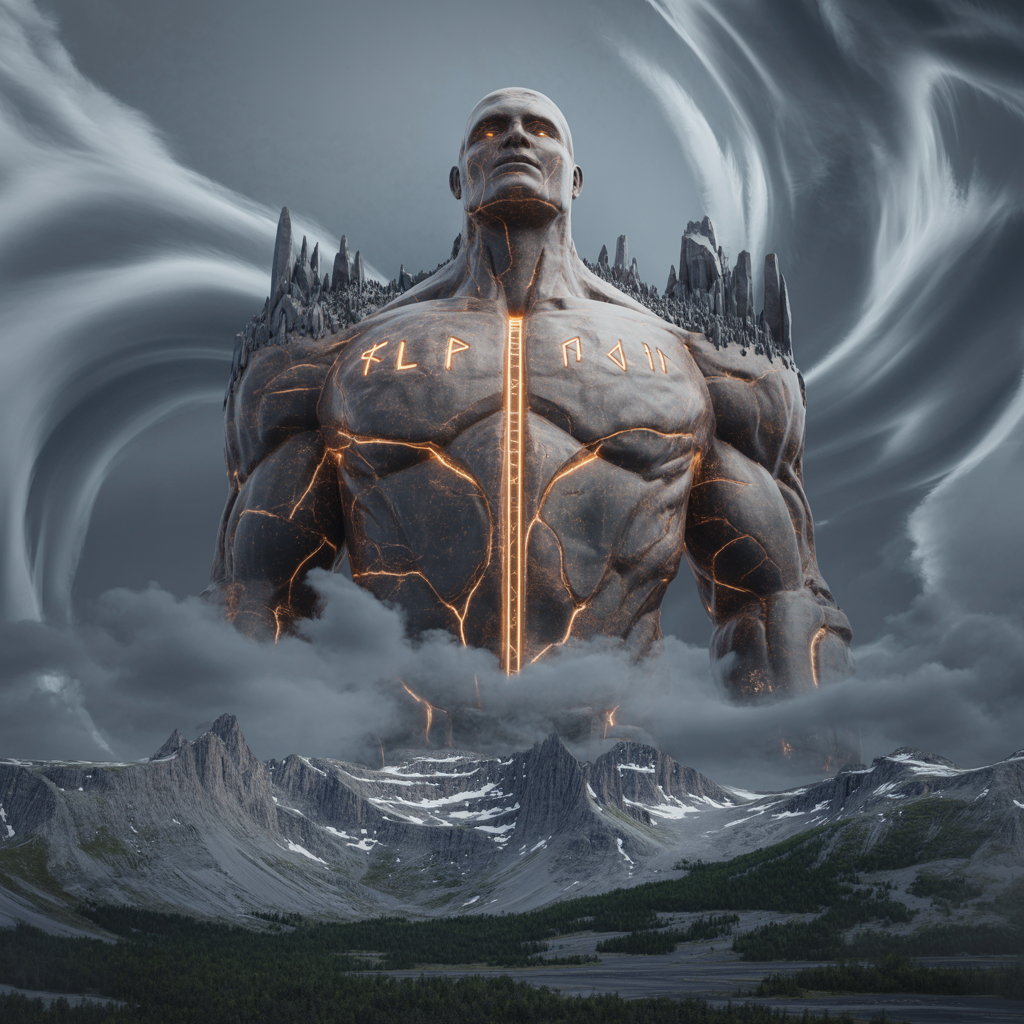
Environment
| Landscape | Cityscape | Interior | Primordial Titan |
|---|---|---|---|
 | 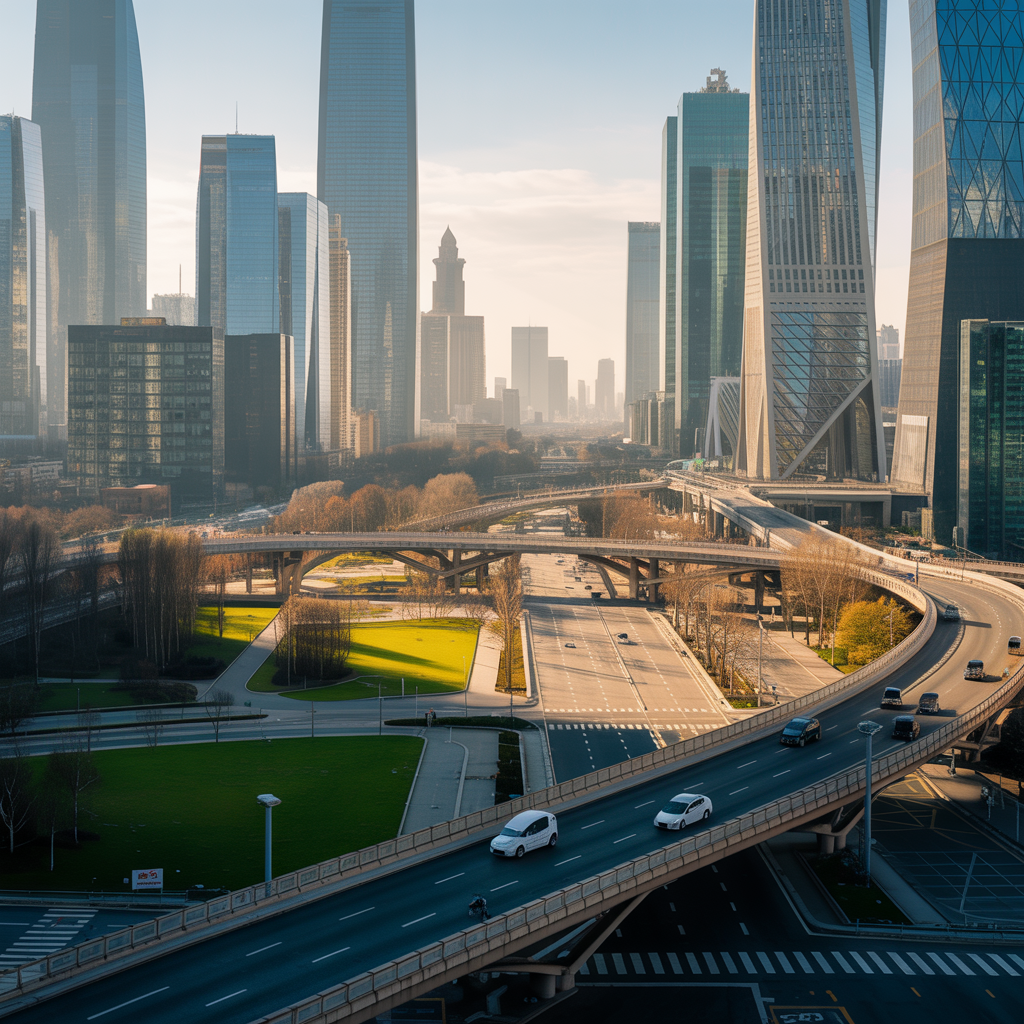 |  |  |
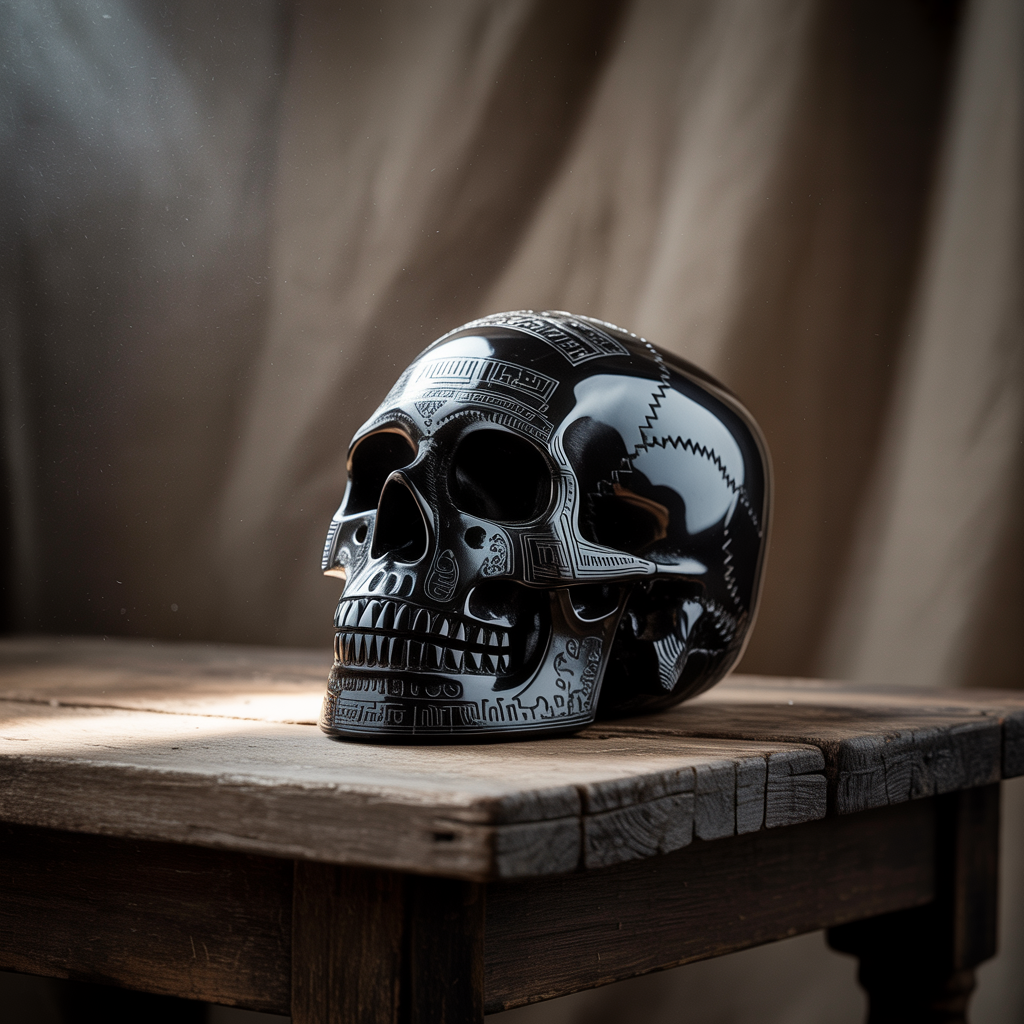
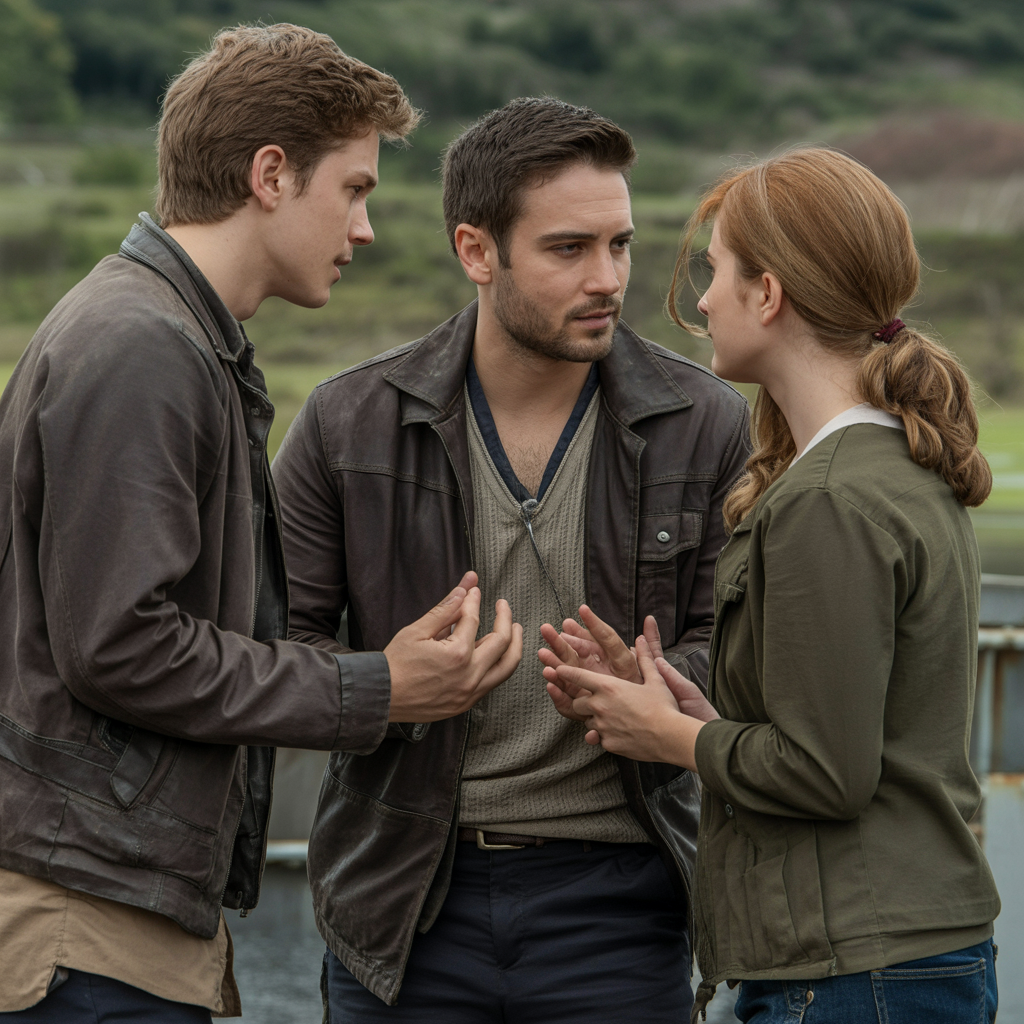
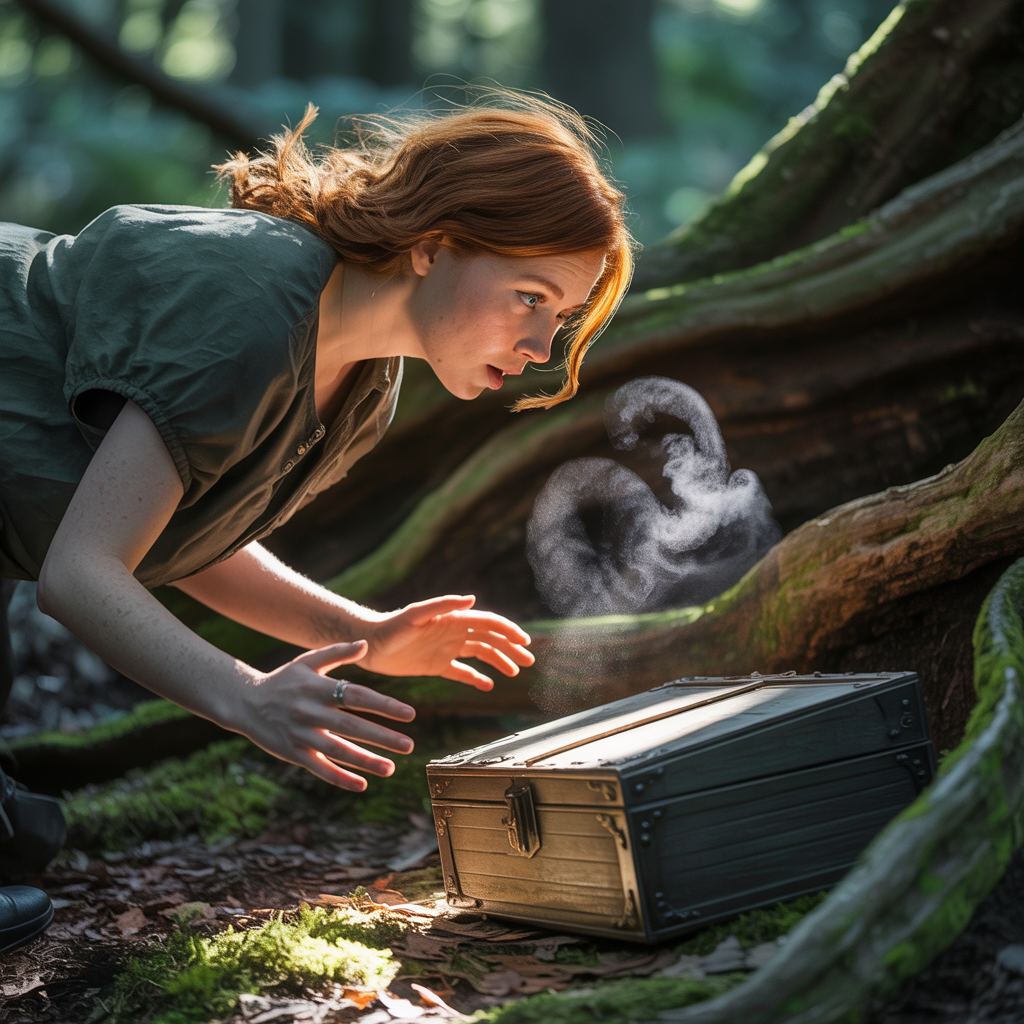
Storytelling
| Single Object | Small Group | Narrative Discovery | Battlefield Chaos |
|---|---|---|---|
 |  |  |  |
Lighting & Atmosphere
| Volumetric Fog | Neon Cyberpunk | Low-Key Moody | Overexposed Washed |
|---|---|---|---|
 |  |  |  |
Materials & Physics
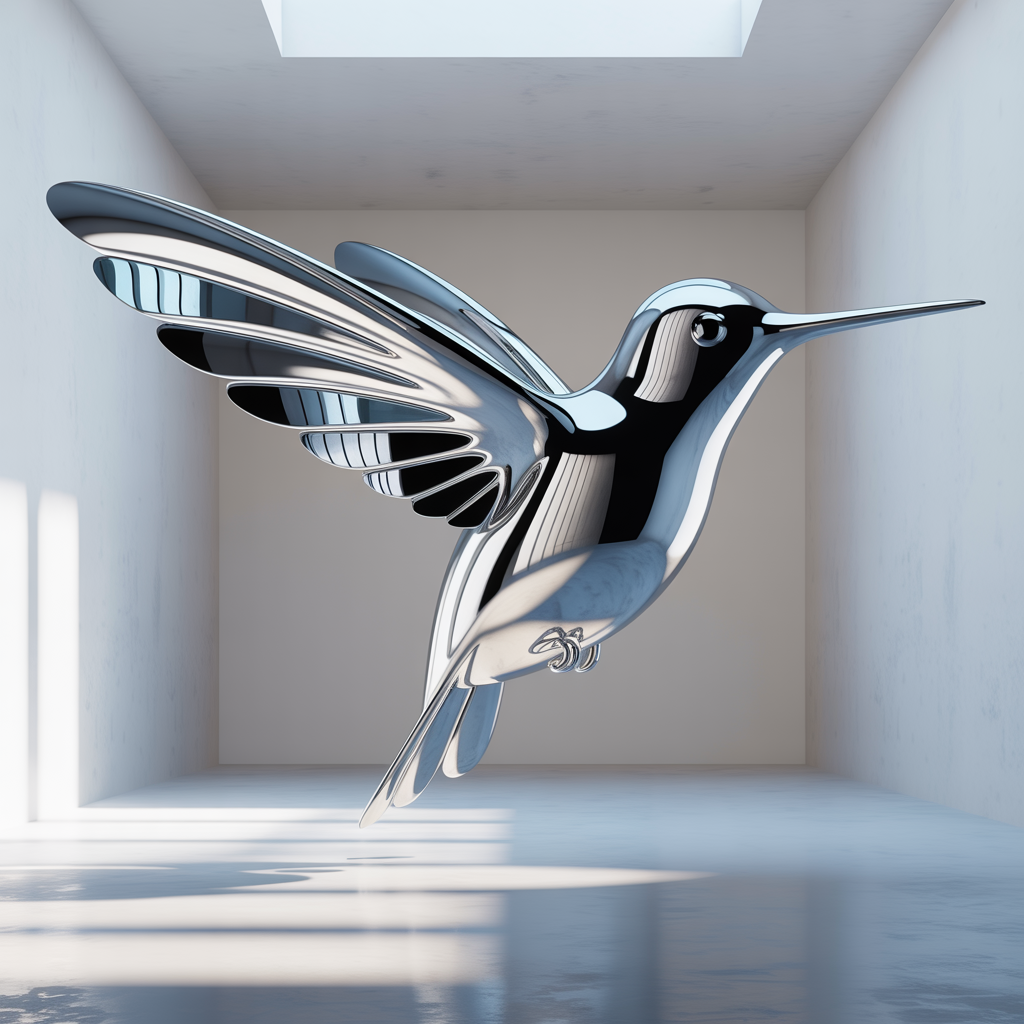
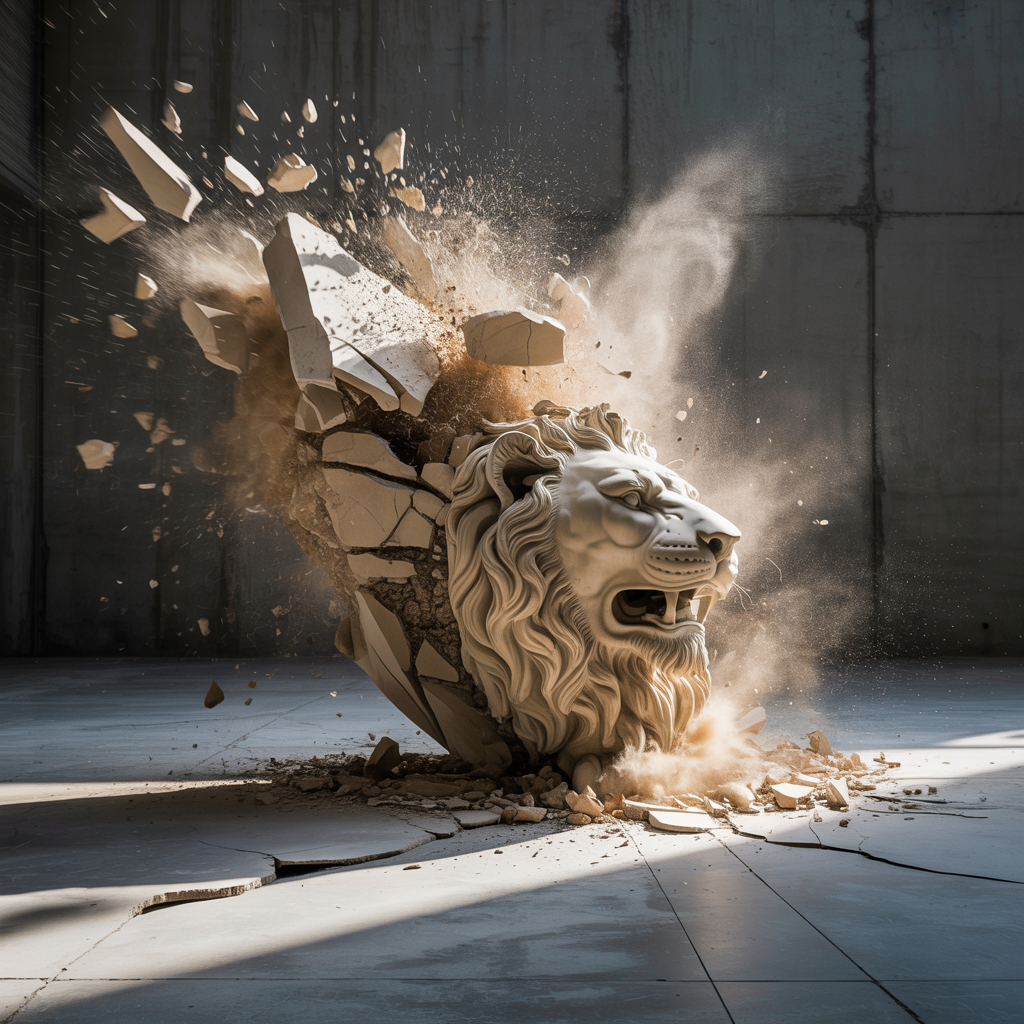
| Water Splash | Smoke & Fire | Reflective Material | Impact |
|---|---|---|---|
 |  |  |  |
Structure & Symbols
| Perfect Symmetry | Complex Patterns | Readable Text | Fantasy Runes |
|---|---|---|---|
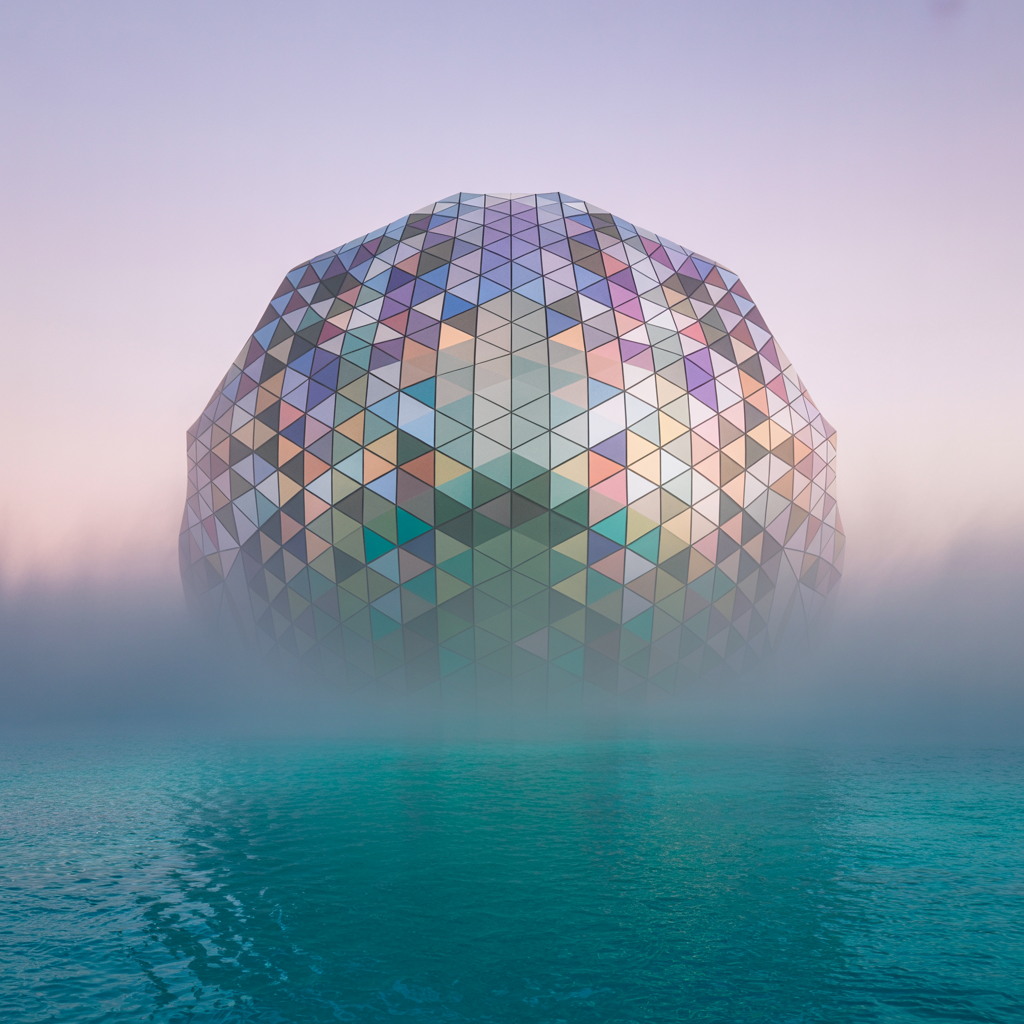 | 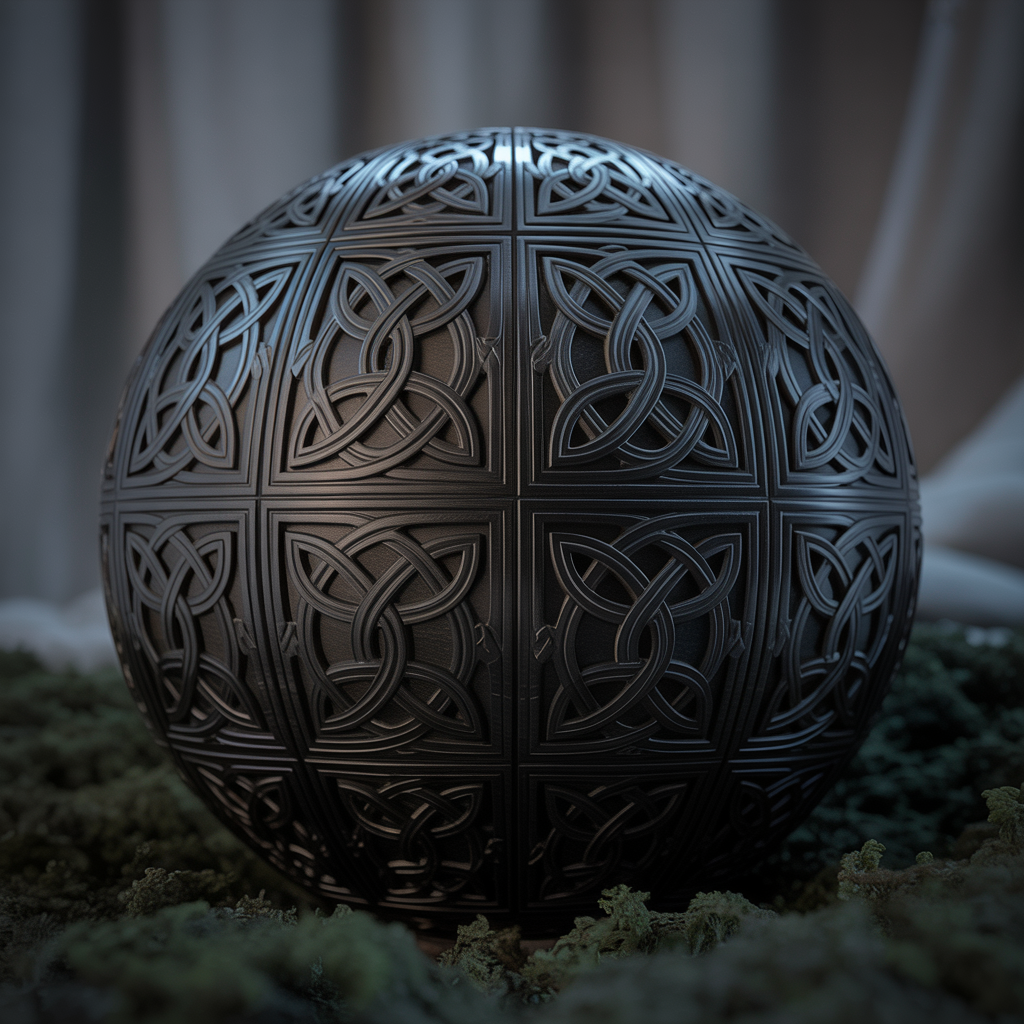 |  |  |
Extended Probes
| Macro Photography | Aerial Top-Down | Fashion Editorial | Abstract Emotion |
|---|---|---|---|
 | 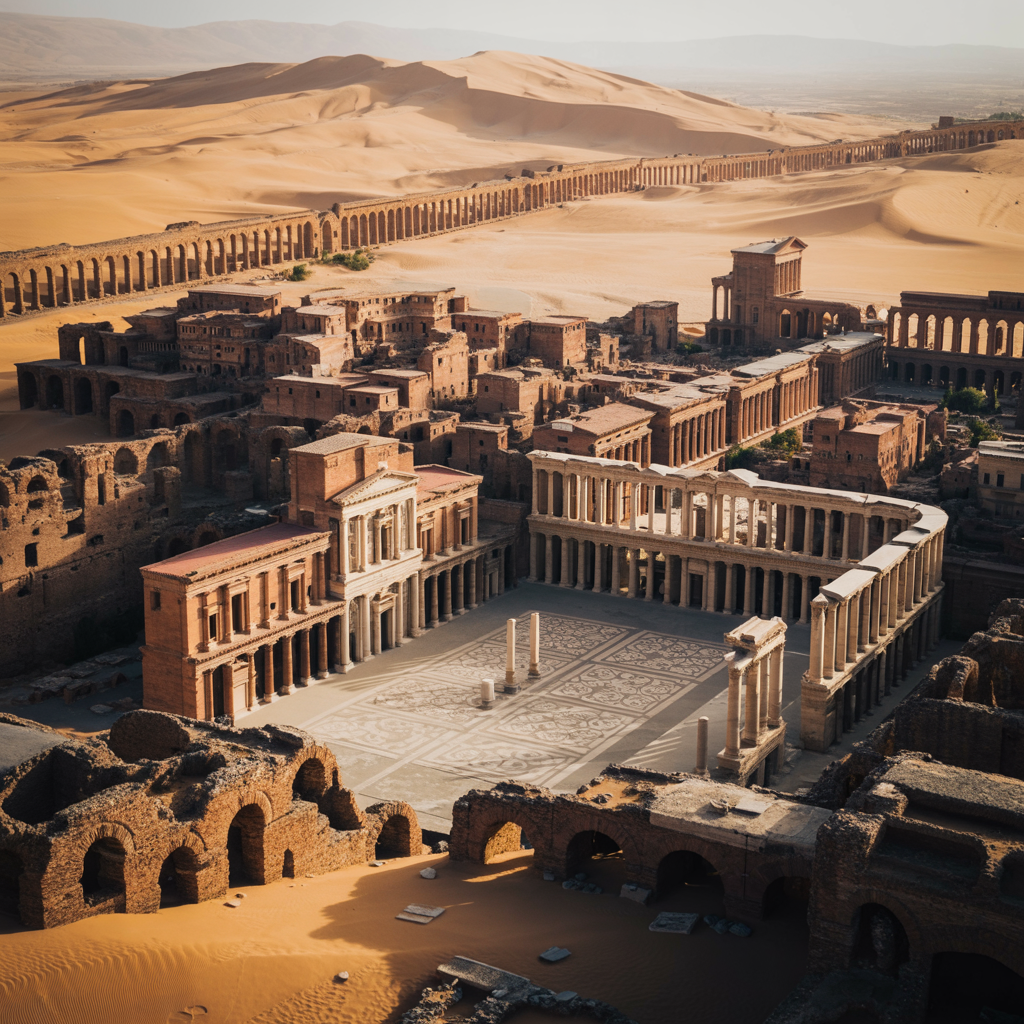 | 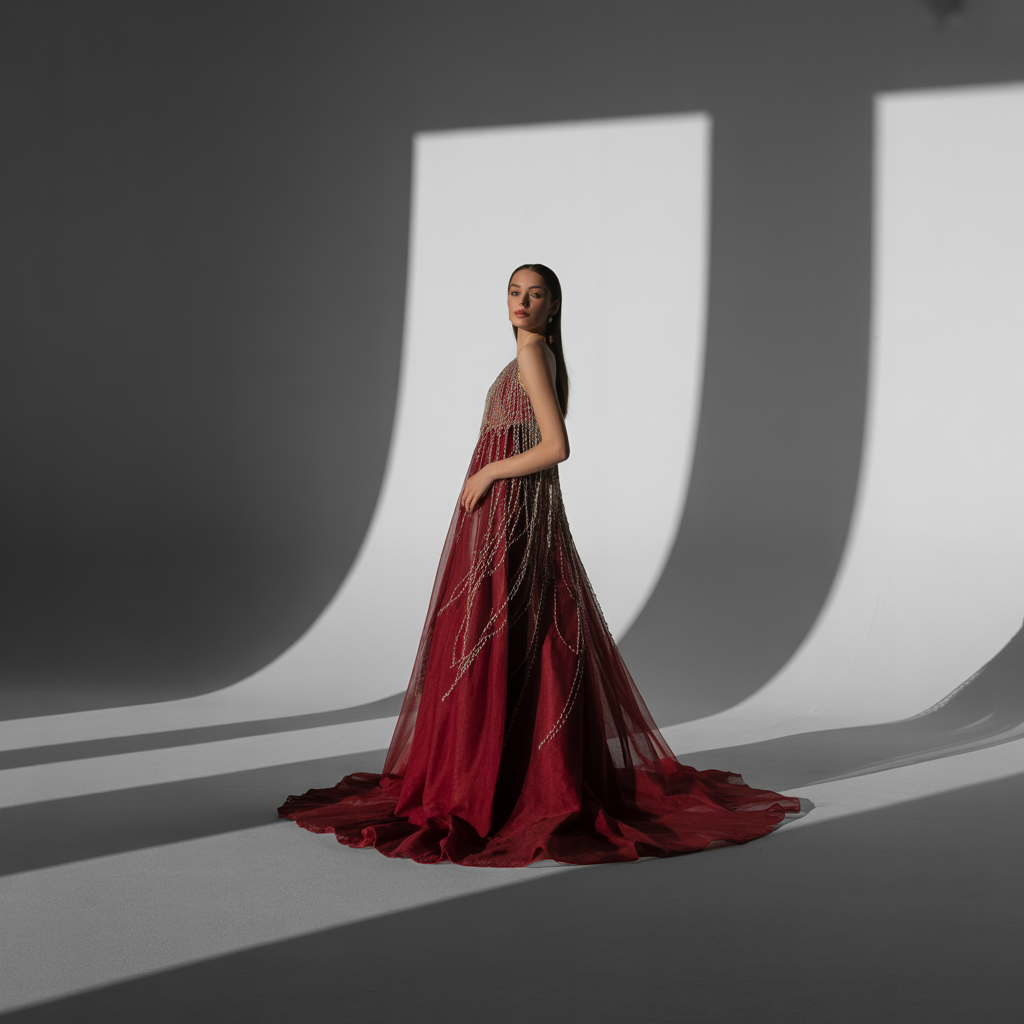 |  |
Batches were run in april 2026.
Expanded DNA
🔹 1. Structural Preservation (Primary Rule)
The model maintains a near-identical object structure across all generations.
Evidence:
- same proportions across styles and lighting
- identical viewing angle repeatedly
- consistent silhouette
👉 Structure overrides variation
Why it matters:
- Pros: extremely reliable for asset consistency
- Cons: difficult to explore alternate compositions
🔹 2. Deterministic Framing
The model defaults to a fixed camera logic and framing pattern.
Evidence:
- repeated angle across batches
- limited perspective variation
- predictable placement on surface
👉 The camera is implicit and rarely moves
🔹 3. Style as Overlay System
Style is applied as a surface-level transformation rather than a structural reinterpretation.
Evidence:
- graphic / illustration styles are strong
- painterly lacks true brush behavior
- fantasy lacks environmental transformation
👉 Style decorates, it does not redefine
🔹 4. Lighting as Post-Process Layer
Lighting is applied globally without physical interaction.
Evidence:
- no clear light direction
- weak shadow logic
- color tinting instead of illumination
👉 Light affects the image, not the scene
🔹 5. Material Approximation
Materials are represented convincingly at a glance but lack physical depth.
Evidence:
- textures appear uniform
- limited micro-surface variation
- weak interaction with light
👉 Materials are suggested, not simulated
🔹 6. Chaos Rejection Mechanism
The model avoids or neutralizes chaotic instructions.
Evidence:
- chaotic prompts simplify environment
- disorder is pushed into object deformation instead of scene composition
- environments disappear rather than become complex
👉 If order breaks, the model retreats
🔹 7. Structured Multiplication Behavior
When adding complexity, the model duplicates structured elements instead of introducing variation.
Evidence:
- multiple books arranged neatly
- repeated objects with similar orientation
- grid-like organization
👉 Complexity = repetition, not diversity
🔹 8. Controlled Environment Generation
Environments are only successfully generated when explicitly constrained.
Evidence:
- controlled clutter produces coherent scenes
- free-form complexity collapses
- backgrounds remain secondary
👉 Environment requires guidance to exist
🔹 9. Low Dynamic Range Bias
The model avoids strong contrast and extreme lighting conditions.
Evidence:
- muted highlights and shadows
- absence of deep blacks or bright peaks
- safe tonal distribution
👉 The model prefers visual safety
🔹 10. Visual Clarity Priority
The model ensures the subject remains readable at all times.
Evidence:
- minimal occlusion
- clear silhouette
- centered focus
👉 Clarity is never sacrificed