Table of Contents
GPT Image 1.5
a seasoned scene-builder who understands light, matter, and space, and lets them interact freely without losing structural discipline
General
GPT Image 1.5 prioritizes physical coherence, material interaction, and adaptive scene construction over rigid composition or strict visual control.
It exhibits strong subject stability, while allowing environment, lighting, and composition to evolve dynamically based on prompt signals.
The model treats lighting as a physical system, not just an aesthetic layer, producing realistic light behavior across materials and space.
Environment and complexity scale naturally, supporting both minimal and dense scenes without collapsing structure.
Outputs are robust, flexible, and expressive, capable of balancing realism and stylization, though occasionally biased toward visual readability.
Main DNA Traits
🧬 Subject Stability
The subject remains structurally consistent and materially coherent under all conditions, even with extreme lighting or complex environments.
The object does not deform or degrade under pressure
🧬 Physical Lighting Model
Lighting behaves as a simulation of real-world light interaction, respecting direction, intensity, material response, and volumetric effects.
🧬 Adaptive Composition
The model dynamically adjusts composition based on prompt constraints, balancing subject framing with environmental context.
Strengths
- perfect for:
- cinematic asset creation
- concept art with grounded realism
- material and lighting studies
- you always get:
- strong material fidelity
- consistent object structure
- physically believable lighting
Atlas
Core
| Null | Guided |
|---|---|
 |  |
Styles
| Fantasy | Cinematographic | Hyper Realistic | Sylized Illustration |
|---|---|---|---|
 |  |  |  |
| Painterly | Bright Whimsical | Graphic / Design | Technical / Scan-like |
 |  |  |  |
Light
| Soft Natural | High Contrast | Volumetric Fog | Neon |
|---|---|---|---|
 |  |  |  |
| Low key / dark / Moody | Overexposed / bright | Directional Spotlight | Warm & Cool |
 |  |  |  |
Environment Complexity
| Structured | Multi-Ojbect | Dense Environment | Controlled Clutter |
|---|---|---|---|
 |  |  |  |
| Chaotic | Chaos Control | ||
 |  |
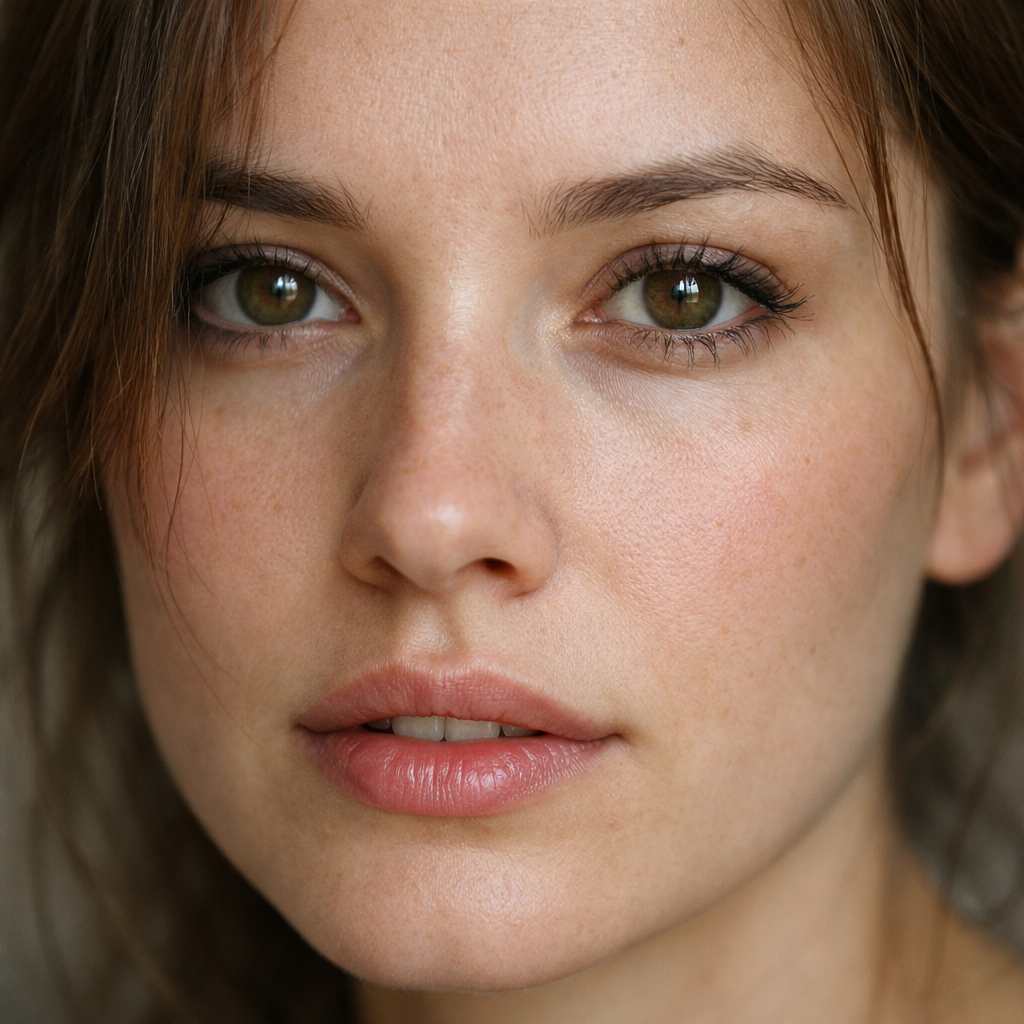
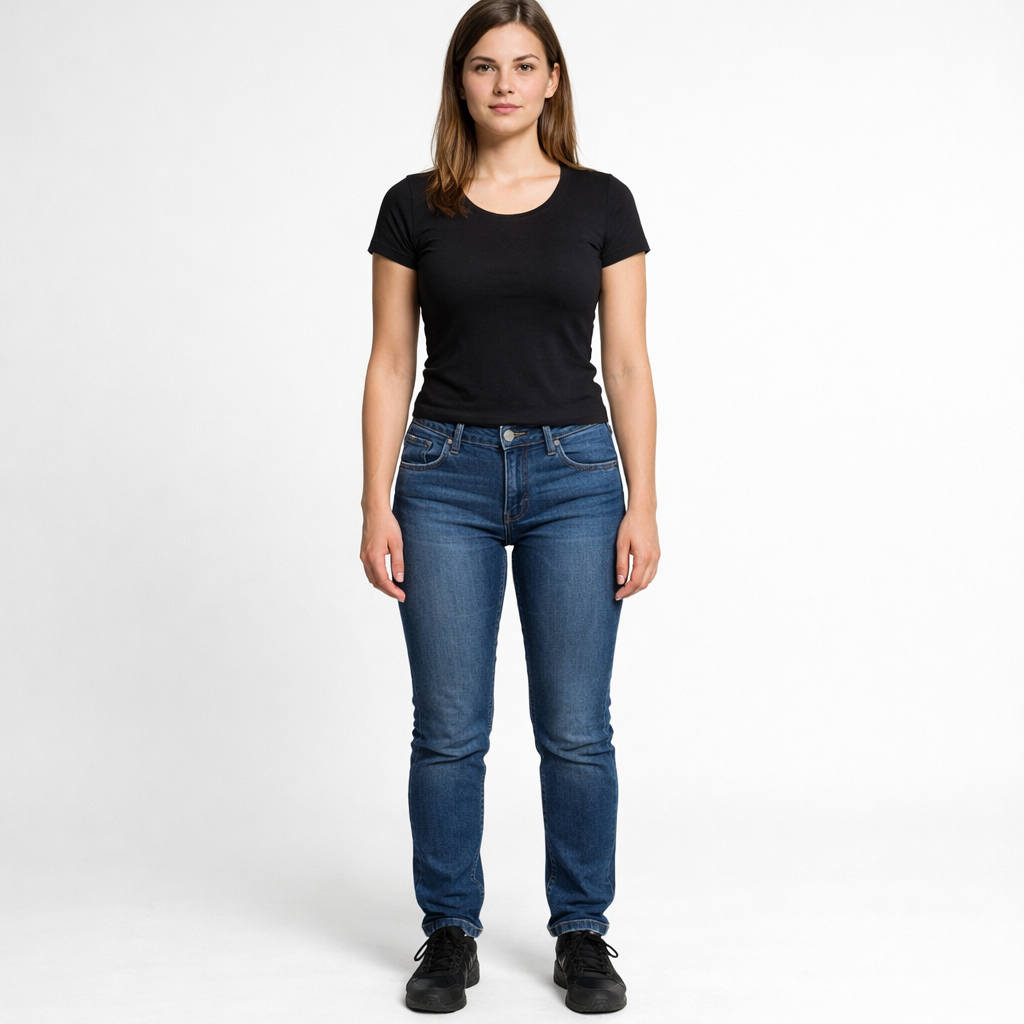
Human Anatomy
| Portrait | Full Body | Dynamic Motion | Close-Up |
|---|---|---|---|
 |  |  |  |
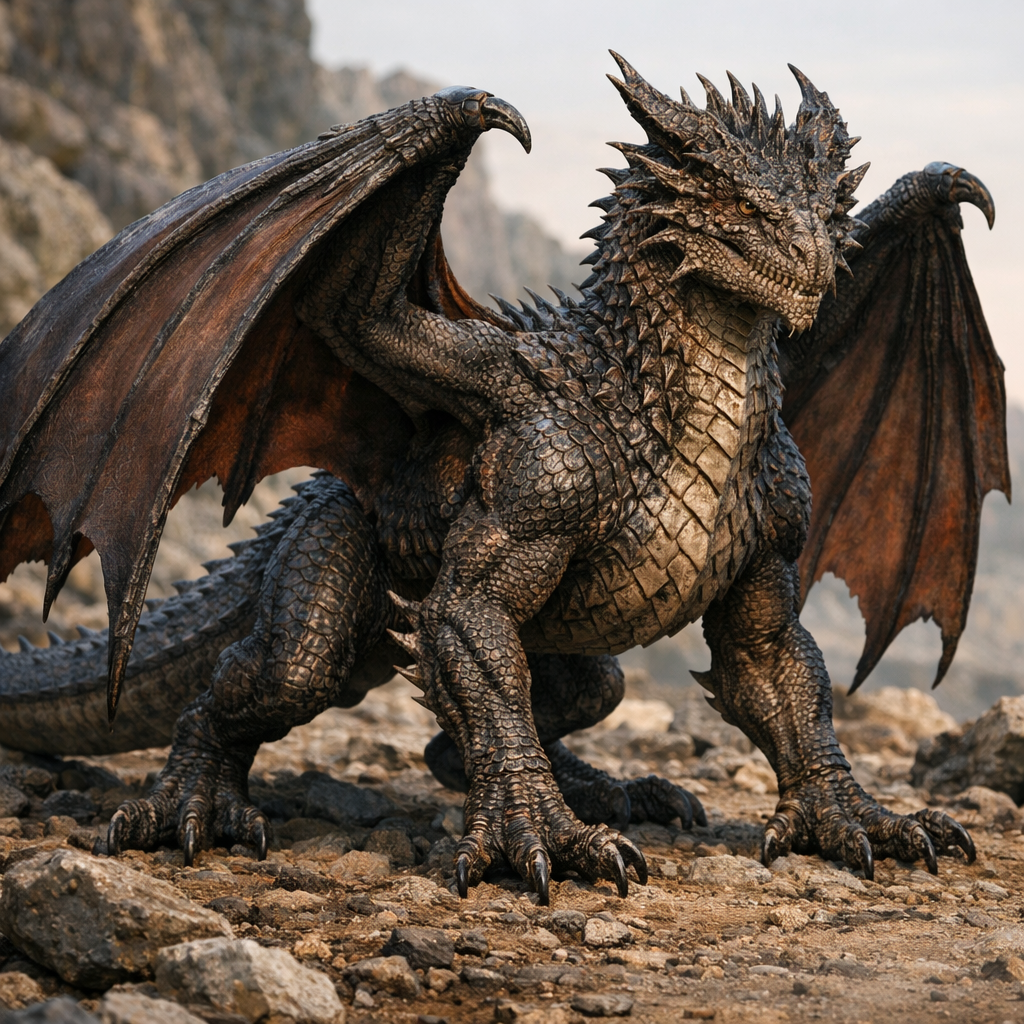
Non-Human
| Warrior | Mage | Dragon | Hybrid |
|---|---|---|---|
 |  |  |  |
Environment
| Landscape | Cityscape | Interior | Primordial Titan |
|---|---|---|---|
 |  |  |  |
Storytelling
| Single Object | Small Group | Narrative Discovery | Battlefield Chaos |
|---|---|---|---|
 |  |  |  |
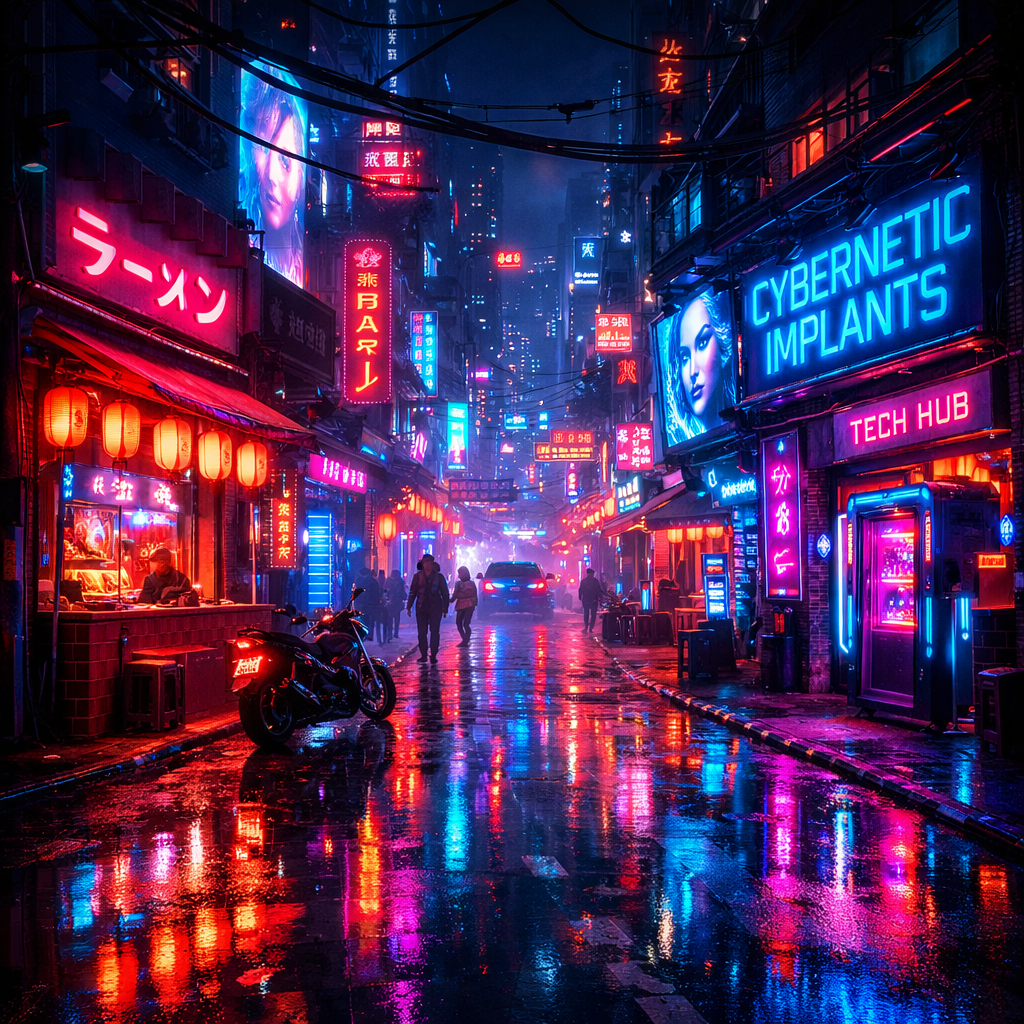
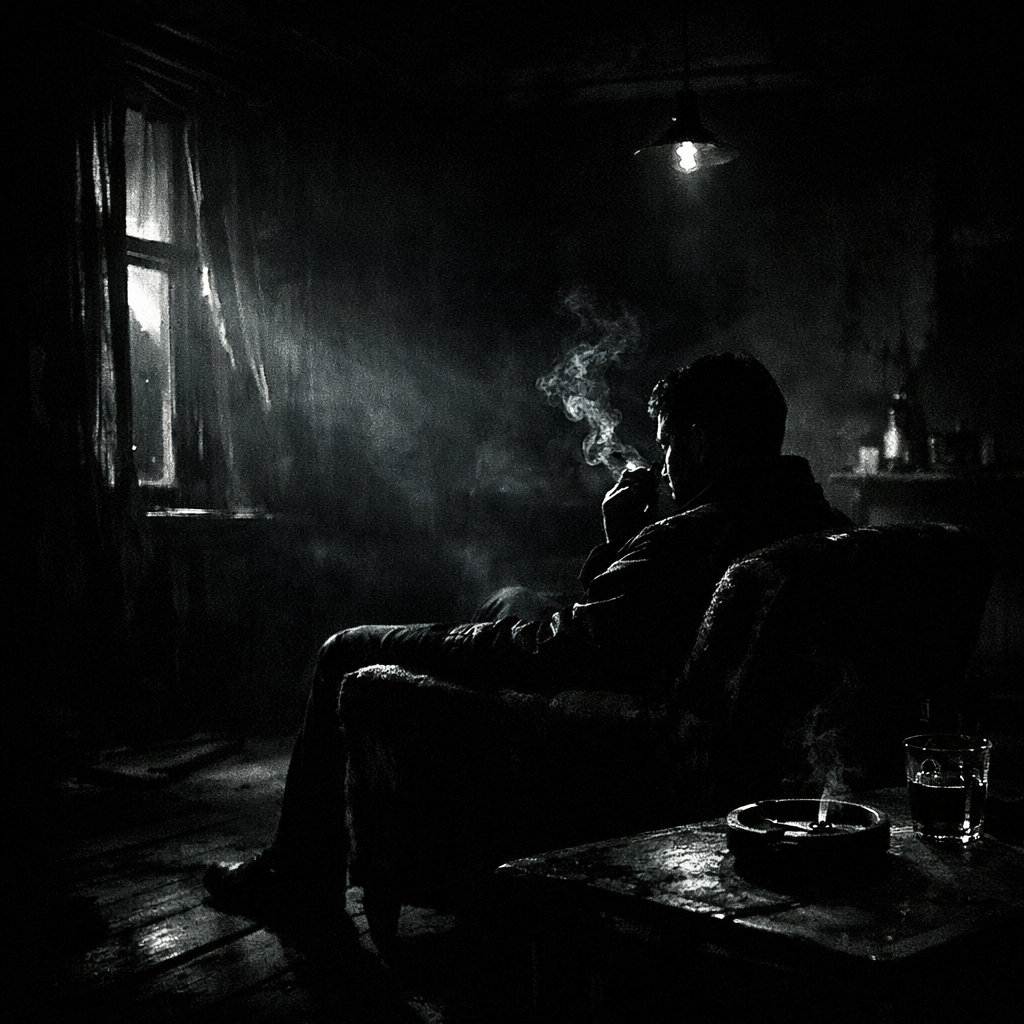
Lighting & Atmosphere
| Volumetric Fog | Neon Cyberpunk | Low-Key Moody | Overexposed Washed |
|---|---|---|---|
 |  |  |  |
Materials & Physics
| Water Splash | Smoke & Fire | Reflective Material | Impact |
|---|---|---|---|
 |  |  |  |
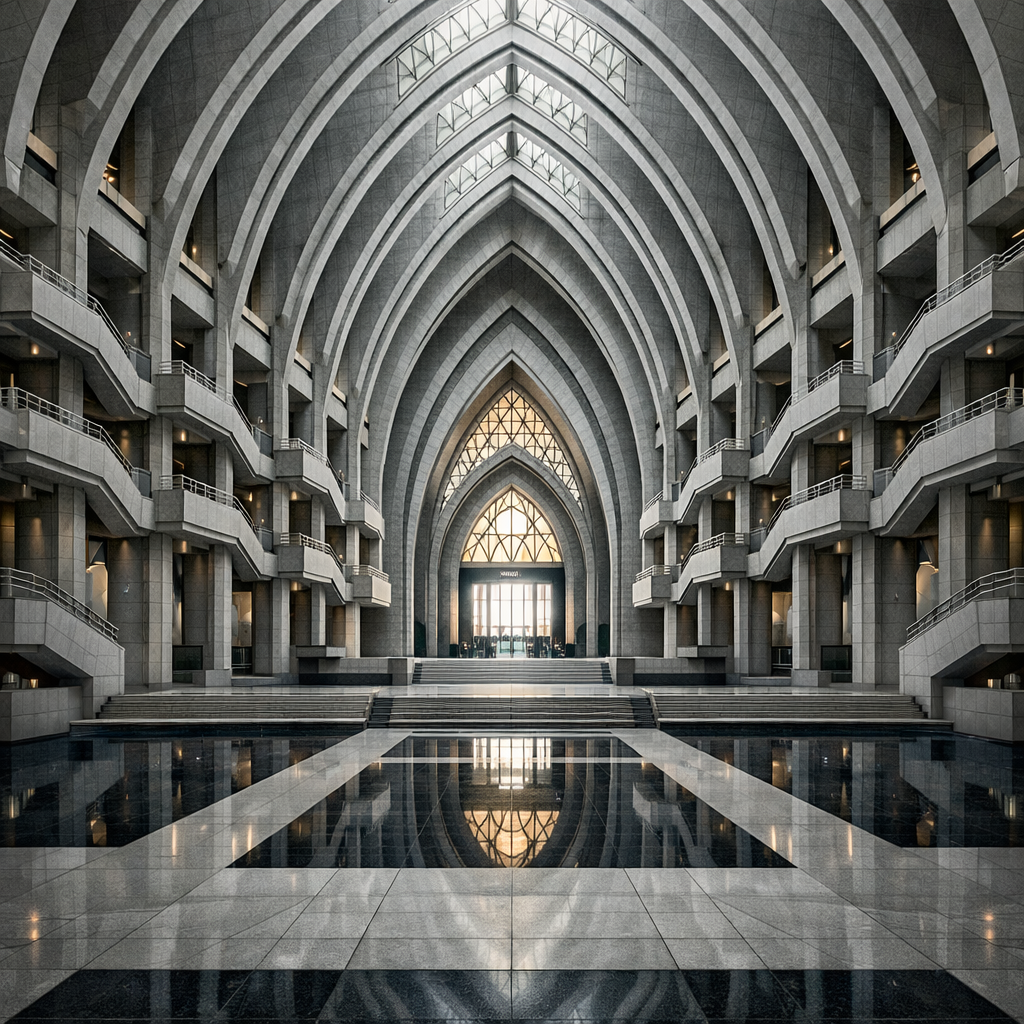
Structure & Symbols
| Perfect Symmetry | Complex Patterns | Readable Text | Fantasy Runes |
|---|---|---|---|
 |  |  |  |
Extended Probes
| Macro Photography | Aerial Top-Down | Fashion Editorial | Abstract Emotion |
|---|---|---|---|
 |  |  |  |
Batches were run in april 2026.
Expanded DNA
🔹 1. Subject Stability (Primary Rule)
The model preserves object structure and material identity under all transformations.
Evidence:
- consistent geometry across all images
- stable page layering and edge definition
- materials remain distinguishable under any lighting
👉 Structure is never sacrificed for style
Why it matters:
- Pros: reliable asset consistency
- Cons: harder to push into abstract deformation
🔹 2. Physical Lighting System
Lighting behaves as a physically coherent system rather than a stylistic overlay.
Evidence:
- directional light behaves correctly
- shadows anchor objects in space
- reflections and highlights respect material roughness
- volumetric fog creates depth, not just haze
👉 Light interacts, it does not decorate
🔹 3. Material-Aware Rendering
Surface response adapts accurately to lighting conditions.
Evidence:
- leather shows wear, gloss variation, edge damage
- paper exhibits thickness, layering, translucency
- metal reacts with controlled specular highlights
👉 Materials are interpreted, not textured
🔹 4. Adaptive Composition Engine
Composition responds dynamically to prompt constraints rather than enforcing a fixed layout.
Evidence:
- “centered, fully visible” forces clean framing even in chaos prompts
- “structured” removes environmental noise entirely
- chaotic prompts still preserve subject clarity
👉 The model negotiates between rules, it does not blindly follow one
🔹 5. Prompt Hierarchy Resolution
Conflicting prompt signals are resolved through priority weighting.
Evidence:
- visibility constraints override chaos instructions
- subject framing dominates environmental disorder
- composition keywords strongly influence scene construction
👉 Some words carry more weight than others
🔹 6. Environment Scaling Behavior
The model can expand from minimal setups to dense scenes without structural collapse.
Evidence:
- multi-object scenes remain readable
- clutter does not obscure the subject
- depth layering improves with complexity
👉 Complexity grows, but remains controlled
🔹 7. Depth and Spatial Awareness
The model understands spatial separation and scene layering.
Evidence:
- foreground / midground / background separation
- depth enhanced by lighting and focus
- volumetric effects reinforce spatial hierarchy
👉 Scenes have volume, not just surfaces
🔹 8. Stylization vs Physicality Balance
The model allows stylization but anchors it in physical realism.
Evidence:
- neon lighting overrides material partially
- cinematic styles remain grounded in real light behavior
- no full abstraction or painterly breakdown
👉 Style bends reality, but does not break it
🔹 9. Overexposure as Isolation Mechanism
Overexposed lighting acts as a subject isolation tool rather than a failure mode.
Evidence:
- background becomes clean white
- object remains intact and readable
- behaves like studio product photography
👉 Brightness becomes a compositional tool
🔹 10. Deterministic but Flexible Output
The model produces consistent results while allowing controlled variation.
Evidence:
- subject remains stable across batches
- environment varies based on prompt nuance
- lighting interpretations are consistent but not identical
👉 Reliable core, flexible surface